Dürnstein
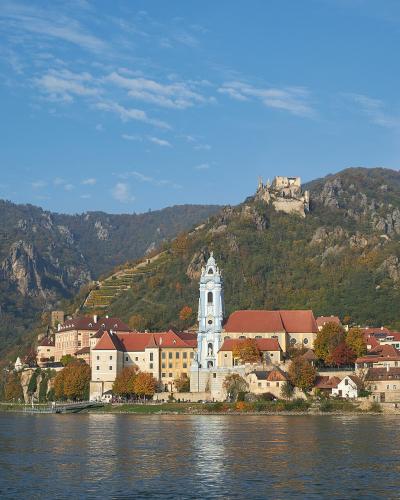
UNESCO Wachau village with blue church tower and castle ruins
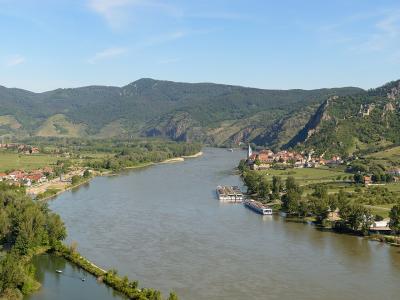
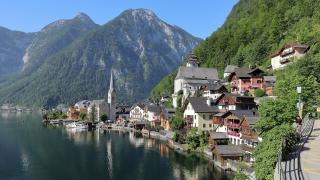
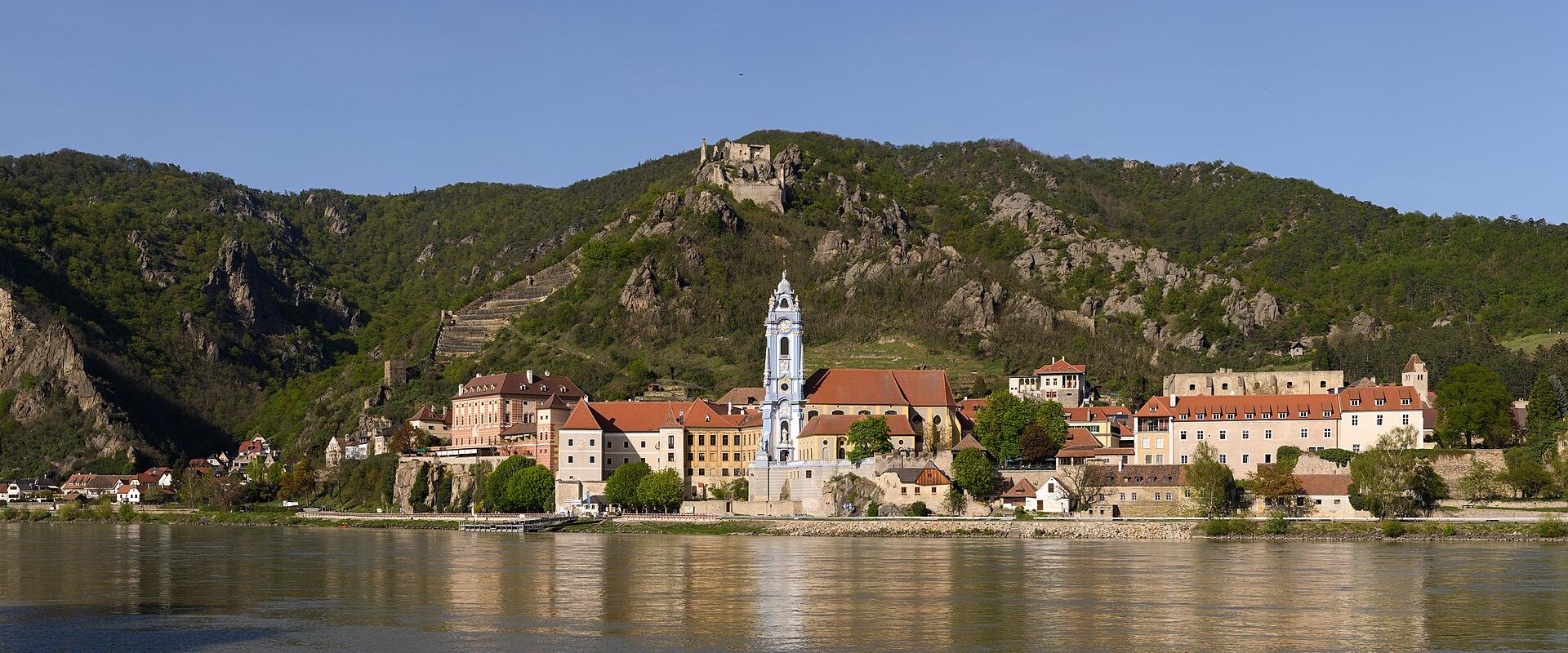
Dürnstein lies in the Lower Austrian district of Krems, in the narrowest and most celebrated section of the Wachau Valley. On one side, the Danube runs broad and slow; on the other, steep terraces of vines rise to a ridge crowned by forest and the castle ruin. The town has a population of under a thousand, and its compact shape between river and rock makes it look more like a model than a real place. The Wachau is a UNESCO World Heritage Site, recognised for the way agriculture, architecture and landscape have developed together for a thousand years.
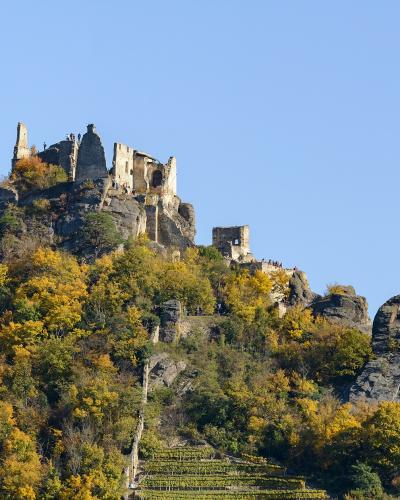
The history of the place includes a famous prisoner. In 1192, King Richard I of England, known as the Lionheart, was returning from the Third Crusade when he was captured near Vienna by Duke Leopold V of Austria, who held a grudge from the siege of Acre. According to tradition, Richard was held in Dürnstein Castle from the end of 1192 until early 1193, when he was handed over to the emperor and later released for a large ransom. The castle, built by the Kuenringer family in the twelfth century, was later destroyed by the Swedes in 1645 during the Thirty Years' War, and the picturesque ruin is what remains. The English king's story, and Dürnstein's part in it, have attracted generations of visitors, and Lionheart's cell is remembered in local tales, and legends, including the tale of the minstrel Blondel who is said to have found his king by singing outside the walls, add to the lore.
The climb to the ruin takes about half an hour on a steep path from the town, and from the top the Danube valley is spread out below, with the abbey's blue tower, the red roofs and the vineyards in view. The path is partly rocky, so wear good shoes. The ruined walls and towers can be explored, and the English reputation of the place rests on them, and there are information boards on the history.
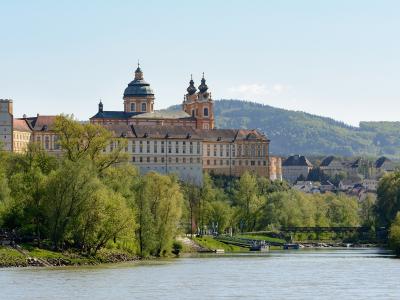
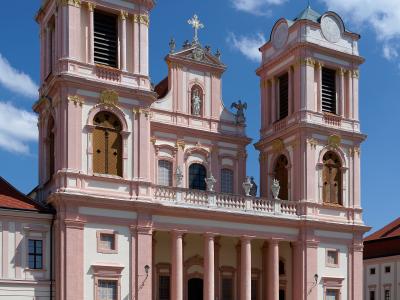
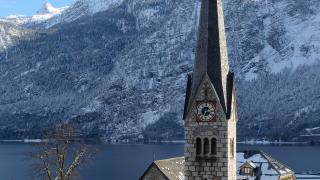
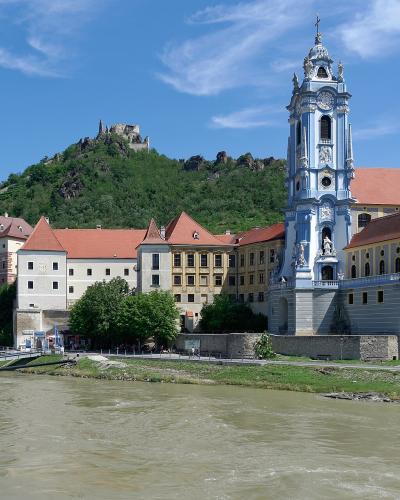
The abbey is the other key landmark. Dürnstein Abbey, the Stift Dürnstein, was an Augustinian canons' house founded in the fourteenth century, and its Baroque church, with the blue and white tower rebuilt in the eighteenth century, is the symbol of the Wachau. The church has a richly decorated interior with altars and stucco, and the courtyard and cloister can be visited in season. The tower is the most photographed feature of the town, best seen from the river or from the vineyards above.
The old town itself is a single main street, lined with houses with painted façades, courtyards, wine taverns and shops selling apricot products, wine and souvenirs. The Kremser Tor gate and a short stretch of the town wall remain from the medieval fortifications. In the lanes, tiny cafes offer apricot cake and coffee, and small museums and galleries open in season.
Wine and apricots define the local economy. The Wachau is known for white wines, especially Grüner Veltliner and Riesling, graded by weight on a local scale as Steinfeder, Federspiel and Smaragd. The terraces on the slopes above the town are worked by hand. A local winery cooperative, with a Cellar open for tastings, is well known, and numerous Heuriger taverns serve their own wine. Apricots, the Wachauer Marille, are a protected local product, and the trees bloom in a white and pink sea in late March and April, with harvest in July. Apricot jam, schnapps, liqueur and strudel are sold everywhere.
Activities beyond the town include cycling on the Danube Cycle Path, which runs along the river for over 300 kilometres and passes through Dürnstein. Boats run between Krems, Dürnstein and Melk from spring to autumn, and a river cruise is a restful way to see the valley. Hiking trails lead through the vineyards to viewpoints, and the Wachau World Heritage Trail links the villages. In summer, a Festival of wine and another of apricots are held, with the Danube River as a backdrop, and the dates vary.
The best time to visit is from mid-June to late August for warm weather and outdoor activity, though May, September and early October are quieter, with golden vineyards and wine harvest festivities in autumn. Spring is lovely for the apricot blossom. In December, a small Christmas market takes place, and winters are quiet, with many businesses closed.
Getting there is simple. Trains from Vienna run to Krems, from where buses and boats continue to Dürnstein; a small station at Dürnstein-Oberloiben is also served in season. By car, the A1 motorway leads to the area, with the road continuing along the Danube from Krems, and Vienna is about an hour away. The Wachau is also reached by boat from Melk and Krems. Parking in town is limited.
Best Time to Visit
Visit from mid-June to late August for warm weather ideal for wine tasting and hiking.
Plan Your Visit to Dürnstein
Essential travel tips and information for your trip to Dürnstein.
Suggested Itineraries
Discovering Dürnstein
1 dayWachau Valley day trip to Dürnstein Abbey and castle ruins
View ItineraryTravel Tips
Currency
EUR • Cards widely accepted
Language
German • English in tourist areas
WiFi
Free WiFi in cafes and hotels
Explore Dürnstein by Interest
Discover attractions and experiences in Dürnstein organized by your interests and travel preferences.
All attractions in Dürnstein
Sorted by our recommendation score
Quick Facts
Book your stay
Frequently Asked Questions
More destinations in Lower Austria
Explore other amazing places in the Lower Austria region