



Austrian society prioritizes strict public order and quiet. Visitors must respect local norms to avoid penalties. Ruhezeit (quiet hours) are strictly enforced nationwide. These periods typically run from 10:00 PM to 7:00 AM. During this time, loud music and construction are prohibited. Apartments often have soundproofing issues, so noise travels easily. Violating these rules can result in significant fines. Littering is also heavily penalized in Austria. Fines for improper waste disposal can exceed 100 Euros. Public disorder, including drunkenness or shouting, is not tolerated. Police enforce these laws consistently in urban areas. Tourists should dispose of trash in designated bins only. Basic safety vigilance is required in high-traffic zones. Vienna and Salzburg see high pickpocket activity. Thieves target crowded squares and public transport hubs. Keep wallets in front pockets or zipped bags. Avoid displaying expensive jewelry or electronics openly. Use hotel safes for passports and extra cash. Be cautious in major train stations like Wien Hauptbahnhof. Stay aware of your surroundings during peak tourist seasons. Following these guidelines ensures a respectful and safe visit.
Verbal greetings are mandatory upon entering any establishment. Address staff with "Grüß Gott" or "Guten Tag." Silence is considered rude and disrespectful in Austria. Tipping follows a specific rounding-up method rather than a percentage. Round the bill up to the nearest euro or five. For larger bills, add five to ten percent. Always tip in cash, even if paying by card. Leave the change directly on the table. Austrian cafés operate on a strict seating norm. You must wait for staff to clear your table. Do not clear your own dishes or cups. This action signals you wish to leave. Cash remains the preferred payment method nationwide. Many smaller venues do not accept cards. Bring sufficient euros for small purchases. Café culture involves lingering, but not indefinitely. Staff may clear tables if you occupy them too long. Respect the unspoken time limits. Always pay before leaving the counter in some spots. This prevents confusion and maintains order. Avoid loud conversations in dining areas. Quiet behavior is valued in public spaces. These protocols ensure smooth social interactions. Ignoring them may cause unnecessary friction. Follow these rules to show respect. Austrian hospitality appreciates adherence to tradition.
Transportation and Infrastructure Safety
Austrian public transport requires strict ticket validation. Validate your ticket immediately upon boarding. Unvalidated tickets incur heavy fines. Inspectors are frequent and thorough. Always keep your validated ticket accessible. Public transit hubs demand general vigilance. Secure valuables against pickpockets in crowded areas. Maintain awareness of your surroundings at all times. Driving safety is critical, especially in winter. Austria enforces a zero-tolerance alcohol policy for drivers. Any detectable alcohol results in immediate license suspension. Winter driving mandates specific equipment requirements. Winter tires are compulsory from November 1 to April 15. Chains must be carried in mountainous regions. Use chains when signs indicate mandatory conditions. Failure to comply results in significant fines. Infrastructure maintenance is high but weather-dependent. Check road status before long drives. Winter conditions can change rapidly in alpine zones. Plan extra time for travel during snowstorms. Adhere strictly to posted speed limits. Fines increase significantly for speeding violations. Respect local traffic signals and signage. Infrastructure is reliable but requires cautious operation. Prioritize safety over speed in all conditions.
Health and Emergency Preparedness
EU citizens must carry a valid European Health Insurance Card (EHIC). This card grants access to necessary medical care. It covers treatment at public hospitals. Non-EU travelers require comprehensive private travel insurance. Public health coverage does not apply to them. Austria uses standardized emergency numbers for all services. Dial 112 for general emergencies across the EU. Call 133 specifically for police assistance in Austria. Use 144 for medical emergencies and ambulance services. Response times are generally efficient in urban areas. Pharmacies, known as Apotheke, are widespread. Look for the hanging red cross sign. Most pharmacies close on Sundays and holidays. Plan medication purchases before weekends accordingly. Some pharmacies rotate Sunday duty schedules. Check online directories for open locations. Always carry prescription medications in original packaging. This practice simplifies customs and security checks. It proves the legitimacy of the substances. Austrian authorities strictly regulate controlled substances. Ensure your prescriptions are valid for personal use. Keep copies of prescriptions separate from the drugs. This backup aids in case of loss. Medical facilities in Vienna and Salzburg are modern. Rural clinics may have limited hours. Verify opening times before visiting remote areas.
Respecting Religious and Natural Sites
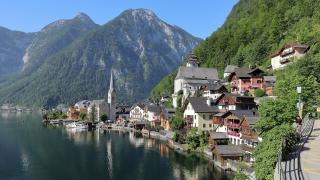
Austrian churches enforce strict dress codes. Cover shoulders and knees before entry. Remove hats upon entering sacred spaces. Silence is mandatory during services. Photography is often prohibited inside cathedrals. Look for posted signs before taking images. Flash photography is strictly forbidden in most sites. Natural areas require adherence to marked trails. Straying off paths damages fragile alpine ecosystems. Lake safety rules vary by region. Swim only in designated zones at lakes like Wolfgangsee. Environmental rules prohibit littering in all national parks. Dispose of waste in provided bins. Stay on wooden boardwalks in wetland areas. This protects nesting birds and plant life. Respect quiet hours in mountain huts. Noise disturbs wildlife and other visitors. Carry sufficient water on hikes. Refill stations are available in major towns. Do not pick wildflowers in protected zones. This preserves the natural landscape for future generations. Follow all signage regarding bear or wolf sightings. Maintain a safe distance from all wildlife. Report any environmental violations to local authorities. These actions ensure safety and cultural respect.