






Euro Basics & Coinage
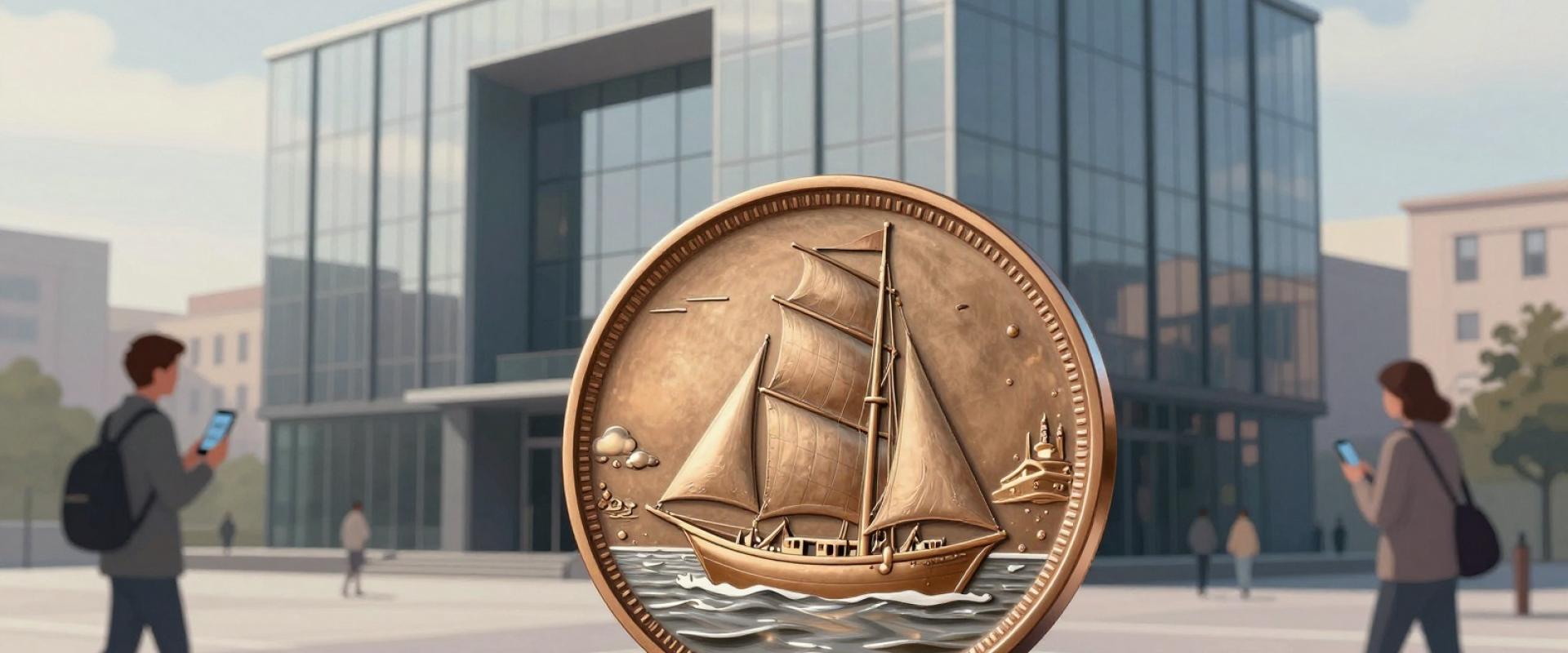
Austria uses the Euro (EUR) as its sole legal tender. The former Austrian Schilling is obsolete and holds no value. You must exchange any remaining Schilling notes before visiting. The Oesterreichische Nationalbank issues all circulating banknotes and coins. Prices are clearly displayed using the standard Euro symbol. Available banknotes include denominations of €5, €10, €20, €50, €100, and €200. The €500 note exists but is rarely used in daily commerce. Many merchants reject €500 bills due to fraud concerns. You should break large denominations into smaller ones early. This practice ensures smoother transactions at smaller vendors. Small shops may lack change for high-value notes. Austrian coins feature unique national designs on the reverse side. These designs include historical figures and architectural landmarks. Recognizing these specific images aids in quick identification. Coins range from 1 cent to €2 in value. Transactions in US Dollars are generally not accepted. You must use Euros for all official payments. Exchange your currency at banks or authorized offices before arrival. Avoid exchanging money at hotels for better rates. Keep small bills handy for tips and small purchases. This strategy prevents inconvenience during your stay in Austria.
Card Payments & Contactless
Contactless payments are standard in Austrian cities. You can tap cards for small transactions quickly. Visa and Mastercard are widely accepted everywhere. Most retailers process these two networks reliably. American Express acceptance is limited in Austria. Many smaller shops do not support Amex. You should carry a Visa or Mastercard backup. Rural areas often require cash for payments. Small vendors in villages may be cash-only. Always carry some Euros for these situations. Check for minimum spend requirements before buying. Some places refuse cards for amounts under €10. Urban centers like Vienna accept cards easily. Public transport tickets often require cash or specific apps. Rural bakeries might only take physical coins. Verify acceptance before ordering to avoid issues. Keep a backup card in a separate location. This strategy protects you if one fails. ATMs are available in most towns. Use bank-affiliated machines to avoid high fees. Always decline dynamic currency conversion offers. Pay in Euros to get better rates. This practice saves money on every transaction. Be prepared for occasional cash-only establishments. Planning ahead ensures smooth financial logistics. Austria remains largely cash-friendly despite digital growth.
Cash Withdrawals & ATMs
Austria utilizes the Euro (EUR) for all cash transactions. The national ATM network is branded as Bankomat. These machines are operated by major Austrian banks. They offer high reliability and widespread availability. You will find Bankomat units in cities and rural areas. Always choose bank-operated machines over independent private ATMs. Independent machines often charge excessive service fees. Security is paramount when withdrawing cash. Select ATMs located in well-lit, busy areas. Avoid isolated machines in dark alleyways. When prompted, always select 'Charge in EUR'. Declining Dynamic Currency Conversion (DCC) saves significant money. DCC applies unfavorable exchange rates to your transaction. Withdrawing larger sums reduces per-transaction fees. Most ATMs charge a fixed fee per withdrawal. This fee applies regardless of the amount taken. Plan withdrawals to minimize total costs. Keep receipts until the transaction posts correctly. Report any machine errors to your bank immediately. Secure your PIN code while entering it. Shield the keypad from onlookers during use. Bankomat networks accept most international debit and credit cards. Ensure your card has sufficient daily withdrawal limits. Consider notifying your bank of travel plans. This prevents automatic fraud blocks on your account.
Exchange Offices & Rates
Avoid airport exchange kiosks for large amounts. These locations charge high fees and offer poor rates. You lose significant value immediately upon arrival. Beware of '0% Commission' traps. These offices hide costs in terrible exchange rates. The advertised zero fee is misleading. Always compare the final rate offered. ATMs often provide better rates than cash exchange. Use Bankomat machines for fair conversions. They connect directly to global networks. Credit cards offer the best exchange rates for purchases. They use competitive wholesale interbank rates. This saves money on every transaction. Avoid exchanging money at hotels. Hotel rates are typically very unfavorable. Seek out banks in city centers instead. Banks provide transparent and fair rates. Look for signs indicating 'Wechselkurs'. This ensures you see the current rate. Never accept dynamic currency conversion. Always choose to pay in Euros. This prevents hidden markup charges from your bank. Plan exchanges carefully to maximize your budget. Small amounts can be exchanged at kiosks. Large sums require better options. Prioritize direct bank transactions for safety. This approach minimizes financial loss during travel.
Tipping & Small Transactions
Austrian tipping culture differs significantly from the United States. You are not expected to leave large percentages. A tip of five to ten percent is standard for good service. Round up the bill to the nearest euro for small amounts. Always specify the total amount you wish to pay when using a card. Tell the cashier the final figure, including the tip, before they process the transaction. This ensures the correct amount is charged to your account. Small change is essential for daily transactions. Many smaller shops and cafes may not accept large banknotes. Keep coins handy for public toilets and small purchases. Vending machines often require exact change or specific coins. Having loose euros prevents awkward situations at checkout counters. Tipping is appreciated but remains modest. It is a gesture of satisfaction, not an obligation. Waiters do not rely on tips for their primary income. However, leaving a small amount shows respect for the service provided. Always carry some cash for these minor interactions. Digital payments are common, but physical coins remain vital for convenience.