Austrian Hostel Ecosystem
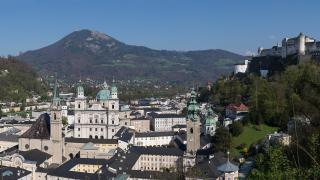
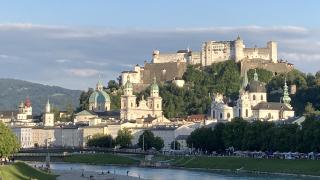
Austrian hostels maintain high hygiene and security standards. The Jugendherberge Österreich association enforces these strict guidelines across the network. Urban centers like Vienna and Salzburg feature boutique hostels. These offer modern amenities in historic city locations. Alpine regions offer functional, basic mountain huts. These structures prioritize utility over luxury for hikers. Communal spaces are essential for social backpacking. Shared kitchens and lounges facilitate interaction among travelers. Vienna serves as a primary gateway for budget travelers. Graz and Linz provide affordable urban accommodation options. Schönbrunn Palace and Naschmarkt are key city attractions. Hiking and skiing define the alpine backpacking experience. Budget travelers should plan for seasonal price variations. Winter sports increase demand in mountain areas. Summer months see higher activity in hiking zones. Booking in advance is recommended for peak seasons. The infrastructure supports both casual tourists and serious hikers. Safety remains a priority in all registered hostels.
Alpine Hiking Infrastructure
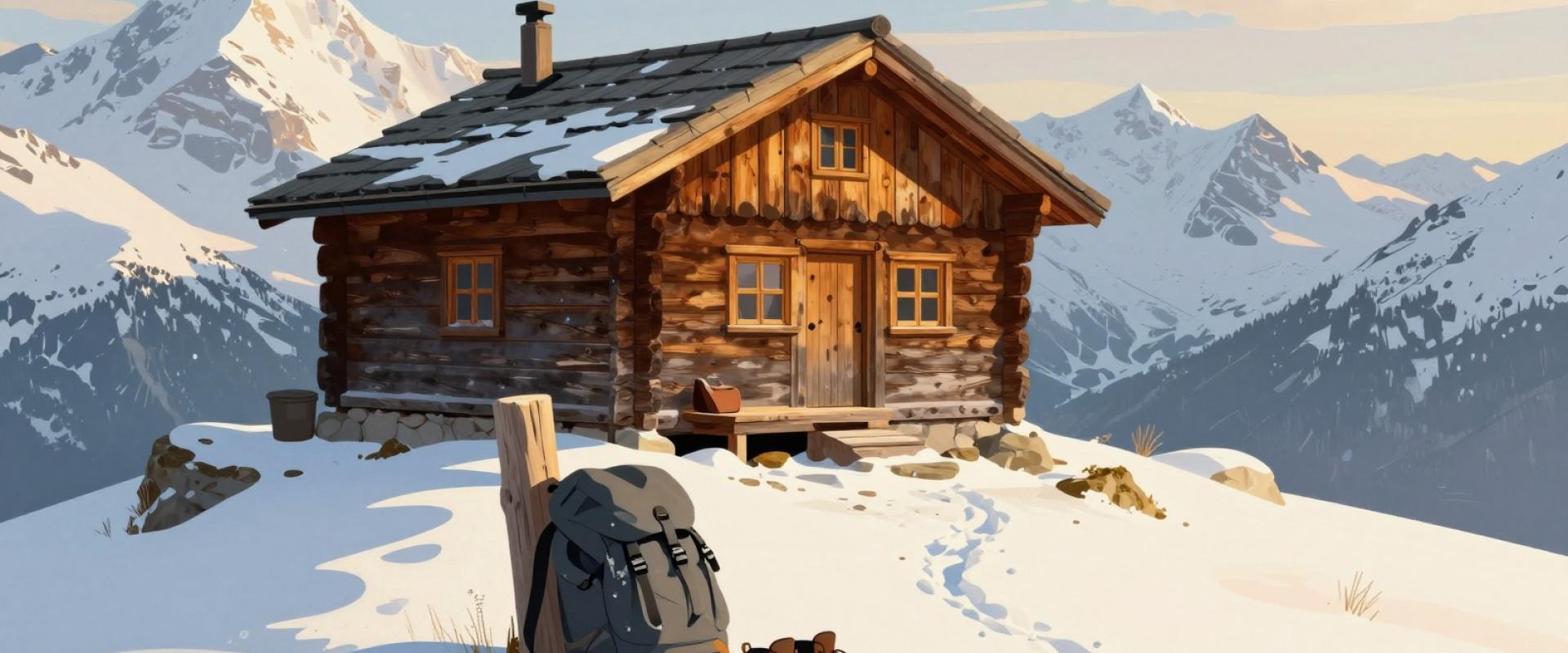
The Austrian Alpine Club (ÖAV) manages most mountain huts. These structures form the backbone of backpacking logistics. Hikers must plan weeks in advance for summer trips. Booking is mandatory for all overnight stays. Prices vary by hut standard and location. Members of the Austrian Alpine Club receive discounts. Non-members pay higher rates for the same bed. Basic dormitories offer simple bunk beds. Some remote huts provide only mattress spaces. Facilities range from shared bathrooms to private rooms. Full kitchens are rare in high-altitude locations. Most huts serve simple meals for purchase. Water is often free but limited. Electricity may be restricted to specific hours. Hikers should carry cash for all transactions. Credit cards are not accepted everywhere. Sleeping bags are required for hygiene. Linen can be rented at most locations. Remote huts lack heating in shoulder seasons. Accessible huts near towns offer more comfort. Always check specific hut websites for current rules. Conditions change rapidly with weather patterns. Prepare for basic living standards in the high Alps.
Strategic City Placement
Vienna hostels cluster near U-Bahn lines. Central districts cost more than peripheral zones. Stay in Favoriten or Simmering for lower rates. Transit access remains efficient from these areas. Graz offers flat terrain for cycling. Rent a bike near the Hauptbahnhof. The flat landscape simplifies urban navigation. Linz hostels sit close to the Donauzentrum. This hub connects regional train services. Proximity to stations reduces daily transit costs. Salzburg’s city center is compact. Walking replaces public transport for short distances. Peripheral hostels require bus transfers. These buses integrate with the main network. Urban planning prioritizes pedestrian zones. Cars are restricted in historic centers. Hostels outside these zones offer cheaper parking. Bike rentals are available in Graz. This option suits flat city centers. Vienna’s U-Bahn operates until 00:30. Night buses fill gaps after midnight. Plan routes using the Wiener Linien app. Graz uses the GVÖ system. Check schedules before booking peripheral hostels. Central locations save time but increase price. Balance budget constraints with transit convenience. Always verify walking distances to stations. Austrian cities reward strategic location choices.
Booking and Payment Protocols
Austrian booking systems typically require credit card guarantees. This secures your reservation against last-minute changes. Cancellation policies are generally strict. Many hostels charge full fees for no-shows. Always verify the specific deadline before booking. Cash remains essential for remote alpine huts. The Austrian Alpine Club (ÖAV) huts often accept only euros in cash. Rural hostels in Tyrol or Vorarlberg may also lack card terminals. Carry sufficient small bills for these locations. Locker rentals are standard in urban hostels. You must provide your own padlock in many facilities. Bring a combination lock to avoid rental fees. Quiet hours are strictly enforced nationwide. Most hostels mandate silence from 10 PM to 6 AM. Noise violations can result in immediate eviction without refund. Plan your payment strategy accordingly. Keep digital copies of all booking confirmations. This helps resolve disputes if systems fail. Always check if breakfast is included in the base rate. Some budget options exclude meals entirely.
Cost Management Strategies
Jugendherberge Österreich membership reduces nightly rates significantly. Members save approximately 20% on standard dorm beds. This discount applies across all association hostels nationwide. You must present your card upon check-in. Self-catering drastically lowers daily food expenses. Most hostels provide fully equipped communal kitchens. Supermarkets like Spar and Billa offer affordable groceries. Prepare simple meals to avoid restaurant costs. City Cards provide substantial value in major hubs. Vienna’s City Card includes free public transport access. It also grants free entry to over 21 attractions. Salzburg offers similar cards with museum discounts. These passes often pay for themselves within two days. Balance accommodation costs with daily spending habits. Choose peripheral districts for cheaper lodging options. Utilize kitchen facilities for breakfast and dinner. Reserve City Cards for multi-day city stays. This strategy optimizes your overall travel budget effectively.