St. Wolfgang
Lakeside town in the Salzkammergut region
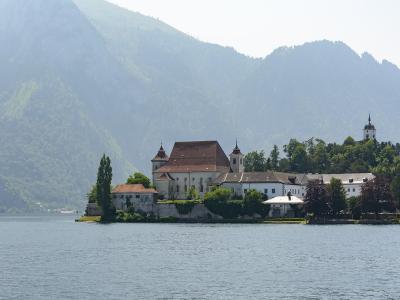
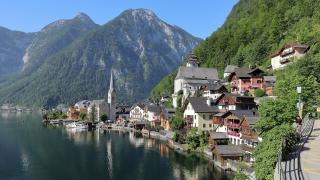
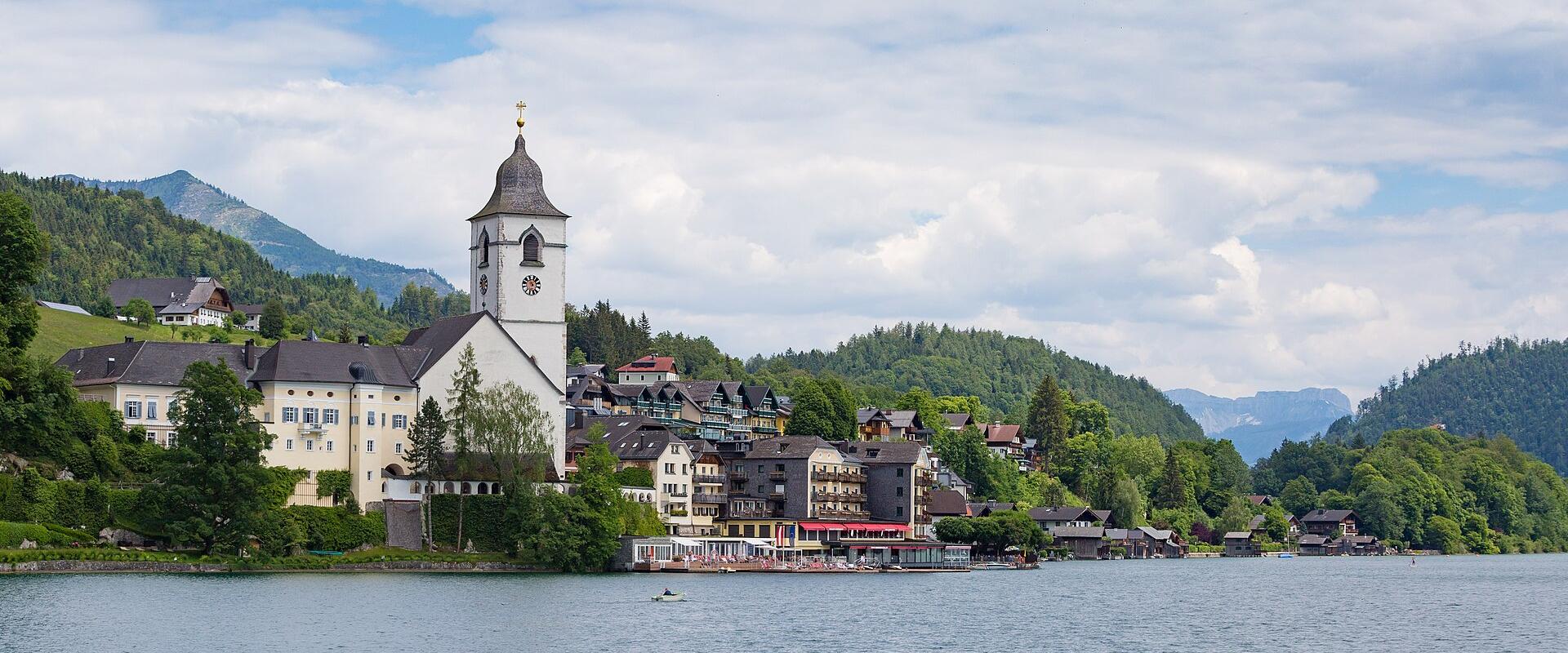
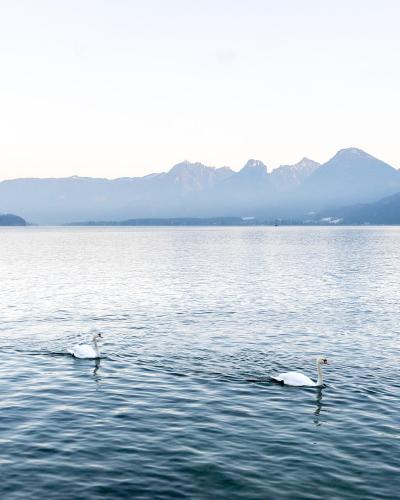
St. Wolfgang occupies a narrow strip of land between the water and the foot of the Falkenstein cliff on the northern shore of the Wolfgangsee. The village is small, with a main street, a handful of hotels and inns, and a church that dominates everything. Because the shore is steep, there is little room for expansion, so the centre has kept a compact and traditional shape that is easy to explore on foot.
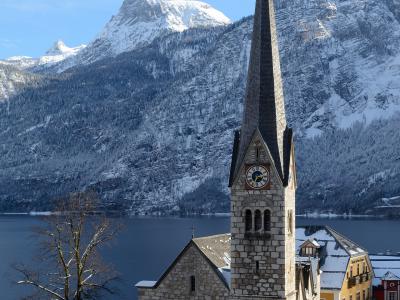
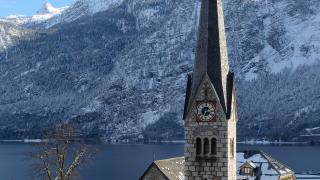
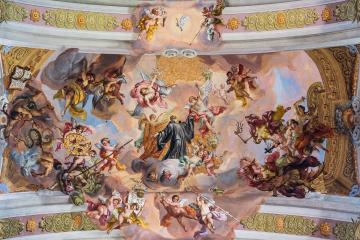
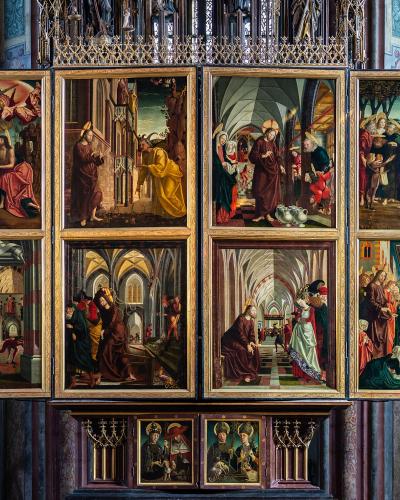
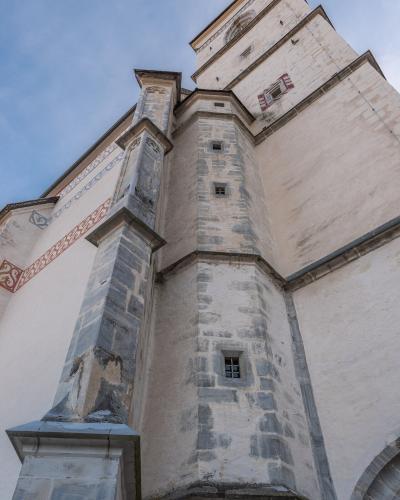
The pilgrimage church, the Wallfahrtskirche St. Wolfgang, is the main sight. According to tradition, the bishop Wolfgang of Regensburg lived as a hermit in this area in the tenth century, and a chapel and then a church grew up on the site. The present building is late Gothic, and its greatest treasure is the winged altar made by the Tyrolean artist Michael Pacher between 1471 and 1481. It is regarded as one of the finest Gothic altars in Europe, with carved and painted scenes that reward careful viewing. Alongside it, the church has a Baroque high altar and a tower with a view across the lake. In the Middle Ages, St. Wolfgang was one of the most important pilgrimage destinations in the Alps, and pilgrim paths still lead to the village.
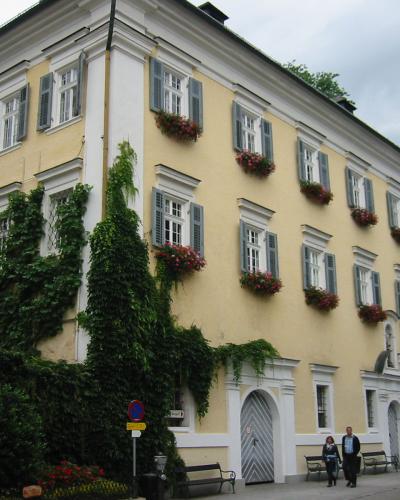
The village square and the lanes around it are lined with historic inns and houses with painted façades and flower-filled balconies. Near the church is the Handwerkerhof, the craftsmen's yard, where local makers sell items such as ceramics, textiles and wood products. A small castle, Schloss St. Wolfgang, stands near the shore. St. Wolfgang's fame beyond Austria grew with the operetta Im weißen Rössl, premiered in 1930, whose setting was inspired by a hotel on the shore, and the village still appears on many travel itineraries because of that link.
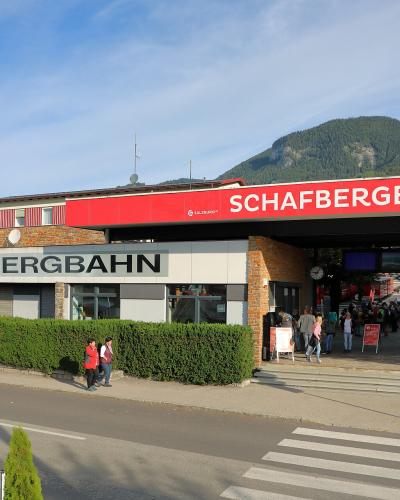
The Schafbergbahn is the other great attraction. Opened in 1893, it is a steam cog railway that climbs from St. Wolfgang to the summit of the Schafberg, at around 1,780 metres, in about 35 minutes. Steam locomotives still operate on many days, though diesel trains also run, and the carriages offer open views as the line rises above the lake. At the top, a viewing platform reveals the Wolfgangsee and several neighbouring lakes, with the Dachstein range in the distance on a clear day. Check the timetable and season before travelling, since weather and maintenance affect operations.
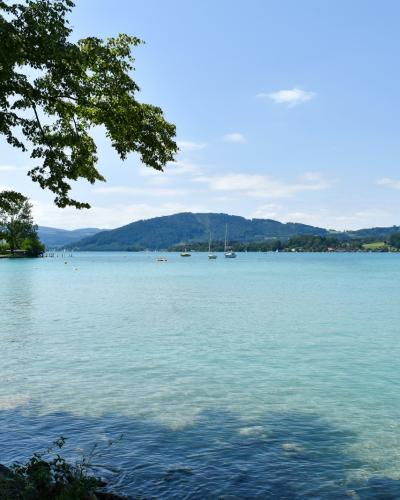
The lake itself is the reason many people come. The Wolfgangsee is clean and relatively warm in summer, and bathing spots such as the Appesbach Strand allow swimming from the shore. Boat services link St. Wolfgang with Strobl at the eastern end and St. Gilgen on the western shore, and electric boats and rowing boats can be rented. A boat tour is a restful way to see the shoreline, with its small villages and steep forested slopes. In winter, the lake sometimes freezes, and a traditional Advent market in the village draws visitors from across the region.
Food in the village is traditional Salzkammergut cooking, built around lake fish such as char and whitefish, served grilled or poached, along with dumplings, roast meats, Salzburger Nockerl and Kaiserschmarrn. Inns along the shore have terraces with views, and cafes serve pastries and strudel. Prices in the village are higher than in the surrounding area because of the tourist demand.
For walkers, there are routes along the lake and up to viewpoints such as the Falkenstein, where a pilgrim path leads to a small chapel in the cliff, and longer hikes in the Schafberg area. The Salzkammergut Trail, a long-distance hiking route, runs through the region, and cycling around the lake is possible, though parts of the road are busy.
Spring and autumn are the best seasons for atmosphere, with soft light and fewer visitors. Summer is the high season for swimming and boating, and the village can be crowded on weekends and in July and August. Winter is quiet but has an appealing character, especially in the weeks before Christmas.
St. Wolfgang is about 50 kilometres from Salzburg and can be reached by car in around an hour. Public buses run from Salzburg and Bad Ischl, and during summer boats connect the village with other lake towns.
Did you know?
Interesting, verified facts about St. Wolfgang
St. Wolfgang Has a Second Local Claim
HistoryWolfgang offers a serene escape where alpine grandeur meets tranquil waters.
Source: What you need to know about your holiday on Lake WolfgangSt. Wolfgang Has Another Verifiable Detail
HistorySituated on the shores of the pristine Wolfgangsee, the village is framed by the steep, forested slopes of the Schafberg, creating a dramatic backdrop that defines the local landscape.
Source: Lake Wolfgang - WikipediaPlan Your Visit to St. Wolfgang
Essential travel tips and information for your trip to St. Wolfgang.
Suggested Itineraries
One Day in St. Wolfgang
1 dayPerfect for a quick visit. See the main highlights and get a taste of local culture.
Extended St. Wolfgang Experience
2-3 daysComprehensive exploration including nearby attractions and cultural experiences.
Travel Tips
Currency
EUR • Cards widely accepted
Language
German • English in tourist areas
WiFi
Free WiFi in cafes and hotels
Explore St. Wolfgang by Interest
Discover attractions and experiences in St. Wolfgang organized by your interests and travel preferences.
All attractions in St. Wolfgang
Sorted by our recommendation score
Quick Facts
Book your stay
Frequently Asked Questions
More destinations in Upper Austria
Explore other amazing places in the Upper Austria region