- Where
- Melk, Lower Austria
- Directions
- Directions
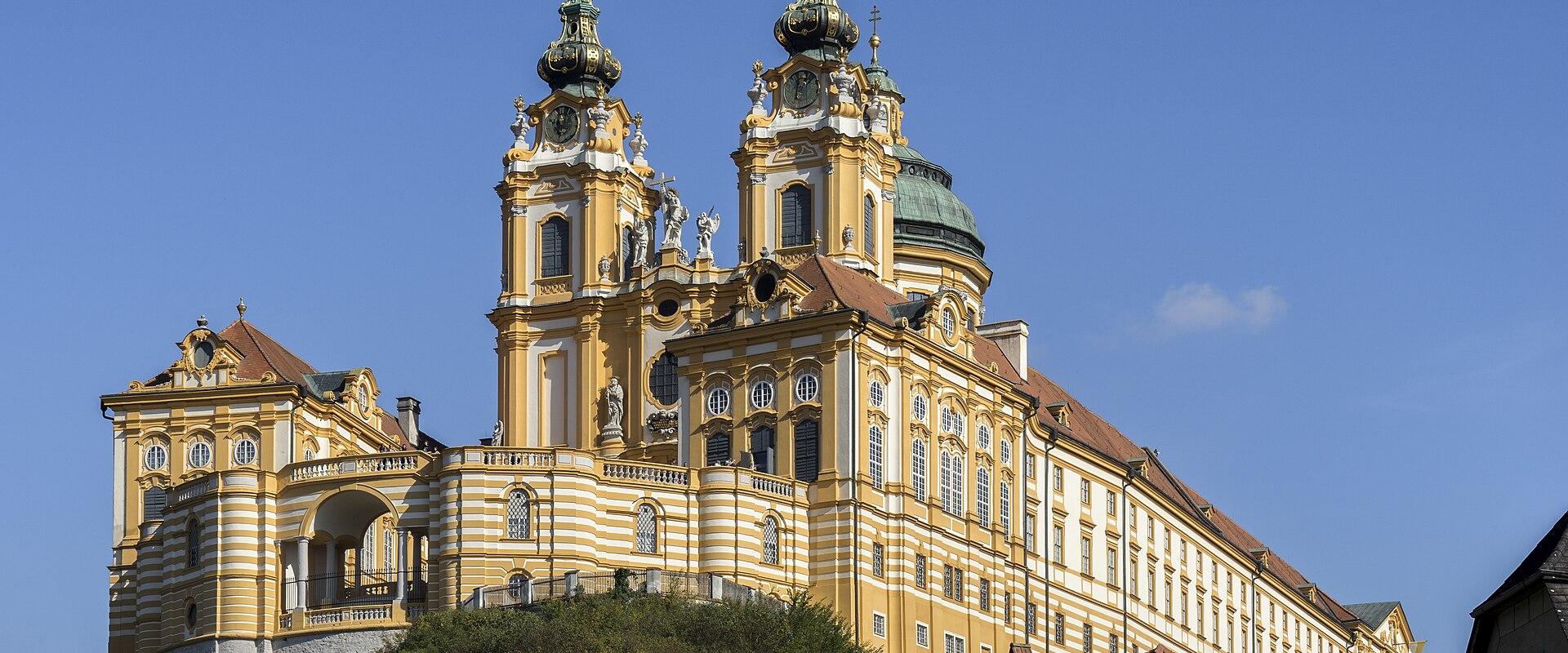
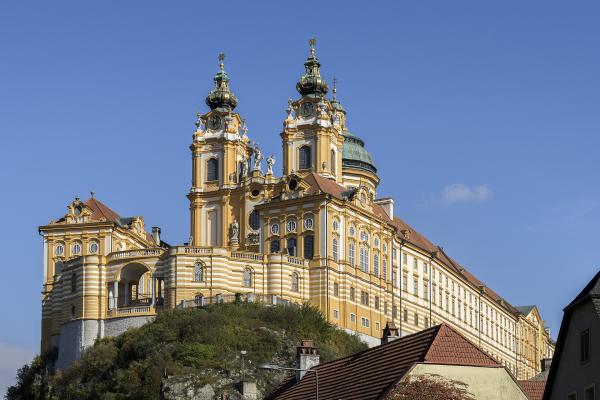
Melk Abbey stands on a rocky bluff above the Danube, at the entrance to the Wachau valley in Lower Austria, and it is one of the greatest Baroque monasteries in Europe. The Benedictines have lived on this rock since 1089, when the Babenberg margrave Leopold II gave his castle to monks from Lambach, and the community has maintained a school and a library through nine centuries. The abbey you see today was built in the early eighteenth century, between 1702 and 1736, to the designs of the architect Jakob Prandtauer, who gave it the shape of a huge palace of golden-yellow walls and copper roofs, with two towers framing the church dome. Seen from the river or from the opposite bank, the building seems to rise out of the rock itself, and it ranks among the most dramatic monastic settings anywhere.
The interior matches the exterior in splendour. Visitors usually begin in the imperial rooms, a long gallery that once housed the emperor and his court when they visited, and which now contains a museum of the abbey's history. A terrace gives views over the town and the river, and from there the route leads to the Marble Hall, a ceremonial room with a ceiling fresco by Paul Troger, and to the library, one of the most beautiful monastic libraries in the world. Its tall shelves are filled with leather-bound volumes and early manuscripts, and its ceiling is covered in paintings that allegorise knowledge and faith. The abbey holds many thousands of books and manuscripts, a collection that reflects the intellectual role of the monks over centuries.
The climax is the abbey church of Saints Peter and Paul. It is a masterpiece of Baroque art, with a high dome, ceiling frescoes by Johann Michael Rottmayr, gilded stucco, richly carved altars and a pulpit, creating an almost overwhelming effect of colour and movement. The church is still the centre of the monastery's worship, and monks pray here daily. The abbey also appears in literature. Umberto Eco named the narrator of his novel The Name of the Rose after a monk from Melk, giving the place an echo in modern fiction.
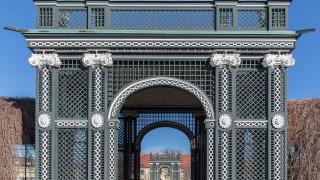
A large abbey garden with a Baroque pavilion offers a peaceful place to walk after the tour, and a restaurant and cafe serve visitors. The abbey still runs a school, and parts of the complex are private, so visitors follow set routes. A guided tour gives more explanation than a self-guided visit.
Melk is easy to reach by train from Vienna in about an hour, and it is the starting point for the Danube cycle route through the Wachau. A visit takes two to three hours. The abbey suits lovers of art, architecture and history.
More photos coming soon
Nearby Attractions
Other places to visit in Melk
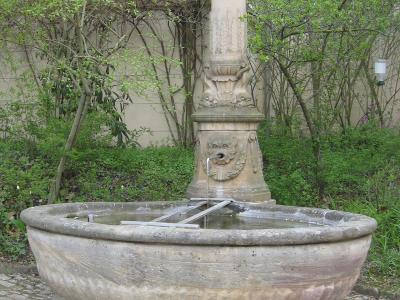
Haus Am Stein
Historic house museum in Melk, Austria
Architectural Highlights · Historic Houses
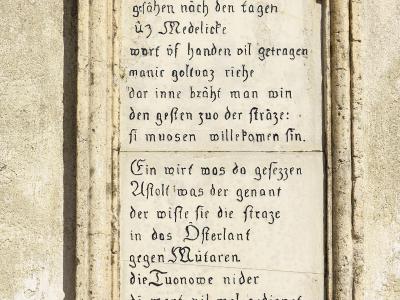
House To The Nibelungenlied
Historic house linked to the Nibelungenlied
History & Heritage · Museums & Art
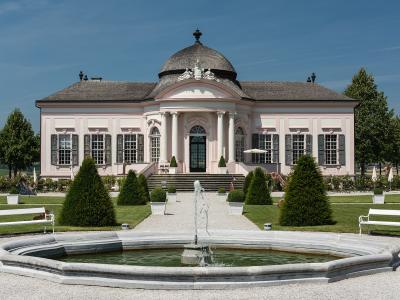
Melk City Park
Baroque abbey park in Melk, Austria
History & Heritage · Urban Exploration
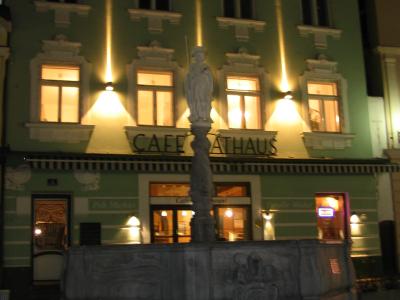
Melk Town Square
Historic town square in Melk, Austria
Architectural Highlights · Old Towns
Questions people ask
Quick Facts
Best Time to Visit
Visit from mid-June to early September for warm weather ideal for wine tasting and hiking in the Wachau Valley.