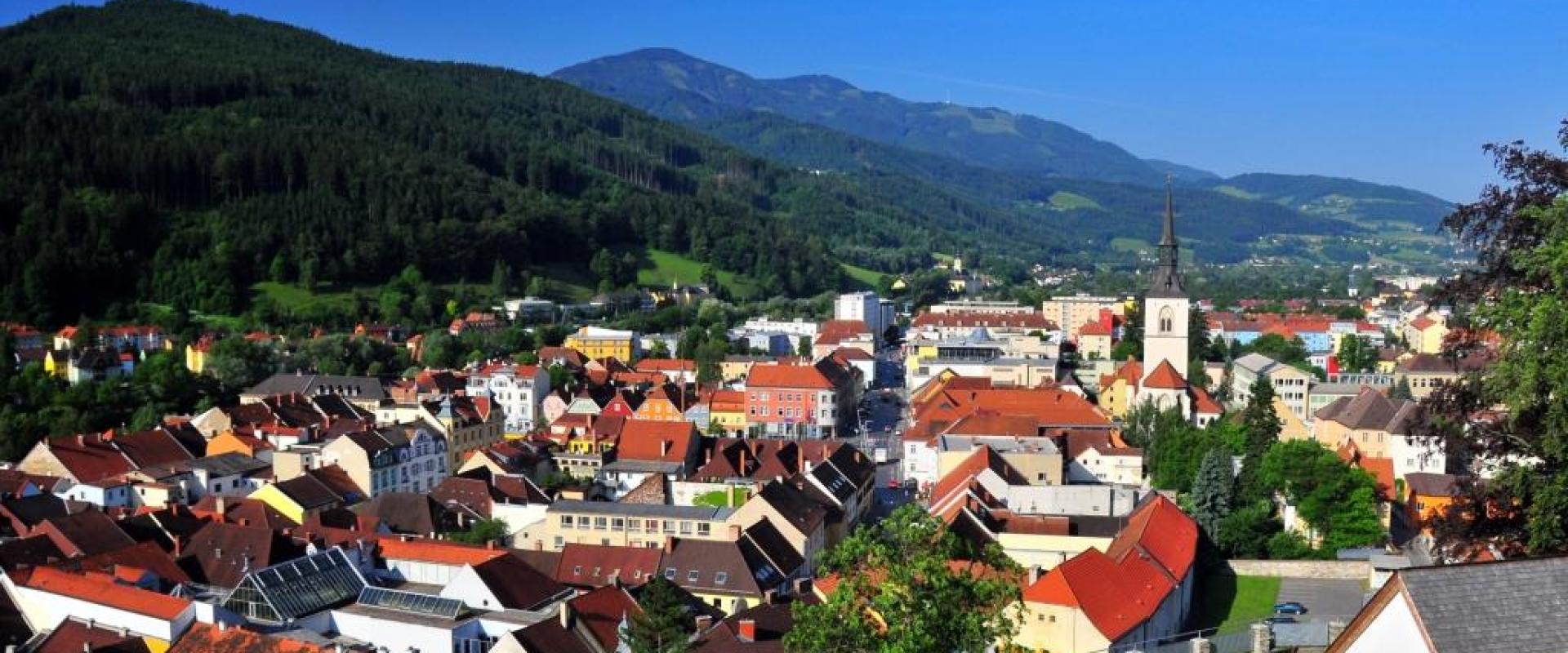
Remnants Of Medieval Fortifications
12-turret medieval fortifications in Styria
- Where
- Bruck An Der Mur, Styria
- Directions
- Directions
Bruck an der Mur lies where the Mürz river meets the Mur, in the north of Styria, and the medieval town was built in the triangle of land between the two rivers, which gave it natural protection on two sides. To close the third side, and to protect the merchants and craftsmen who had settled here, the townspeople built a wall with towers. The town was founded in the thirteenth century, with tradition naming King Ottokar II of Bohemia, who ruled Styria at the time, and received its privileges soon afterwards. The circuit of the fortification is said to have had twelve towers, and although most of the wall has disappeared or been absorbed into later buildings, some of it can still be found by those who look.
The best-known survivor is the Uhrturm, the clock tower, which formed part of the northern line of defence and is now a landmark of the town. A second tower, called the Schiffsturm, the ship tower, also stands, and its name is a reminder of the importance of the rivers, on which goods and timber were once carried on boats and rafts. Other stretches of the wall can be recognised in the stonework of houses and in the line of the streets, and a boulevard, the Friedrichsallee, follows part of the old boundary. The exercise of finding the remnants is part of the interest. The structures stand in public space, so there is no admission fee or opening time, and the sights can be seen at any time.
The fortifications must be understood in the context of the town's role. Bruck was an important trading town on the route between Vienna and the south, and where the roads from the Mürz valley and the Mur valley met. The wealth of the merchants, based on the iron trade of Upper Styria, is visible in the Kornmesserhaus, the late Gothic town house with its Venetian-style loggia, and in the other buildings of the Hauptplatz. Above the town, the ruined castle of Landskron recalls the earlier defences on the hill, and the Bruck Museum and the weekly market add to the picture.
A walk to find the towers and wall remains takes about an hour, and it can be combined with a stroll through the old town. It suits visitors who like to discover history in the urban fabric rather than in museums. The town is easy to reach by train from Vienna and Graz.
Categories
More photos coming soon
Nearby Attractions
Other places to visit in Bruck An Der Mur
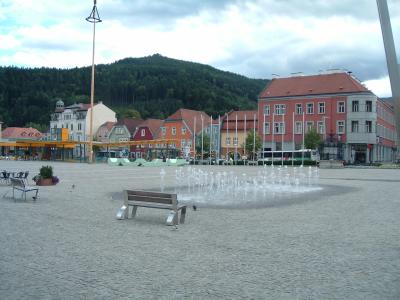
Bruck an der Mur Old Town
16th-century Venetian-style architecture
Historic Districts · Historic Railways
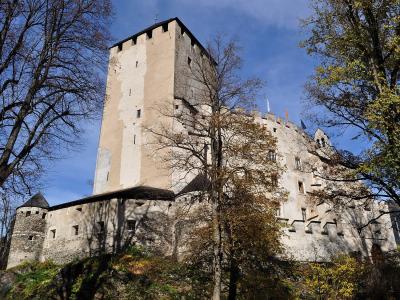
Bruck Museum
City museum opened in 2010
Cultural Venues · Local History
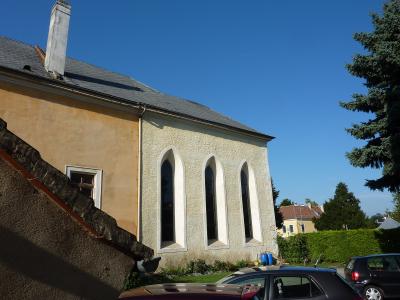
Schloss Mautern
17th-century manor in Bruck an der Mur
Historic Palaces · Local History
Local Markets (Wochenmarkt)
Weekly market on Hauptplatz with regional Upper Styrian p...
Free City Centers · Farm Markets
Questions people ask
Quick Facts
Best Time to Visit
Austria enjoys a Mediterranean climate with warm summers and mild winters, making it ideal for visiting year-round.