- Where
- St. Anton Am Arlberg, Tyrol
- Directions
- Directions
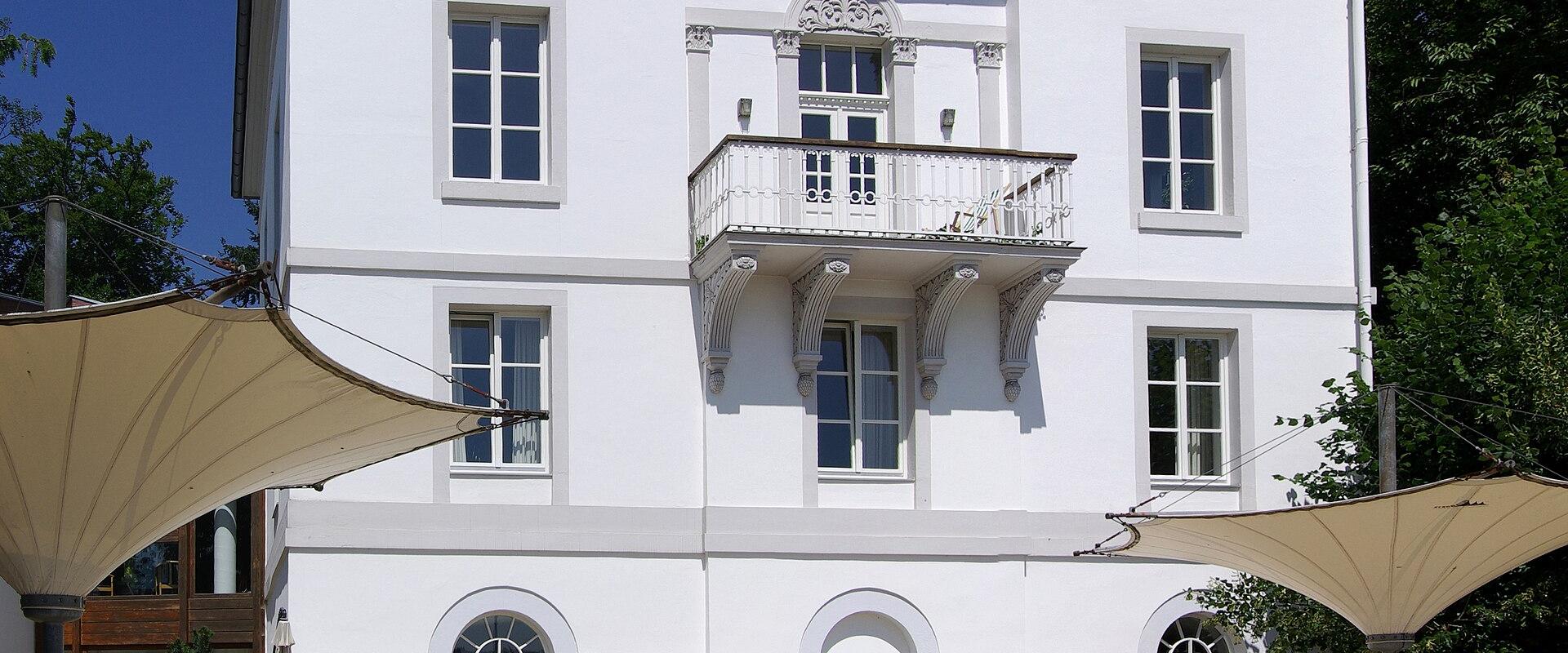
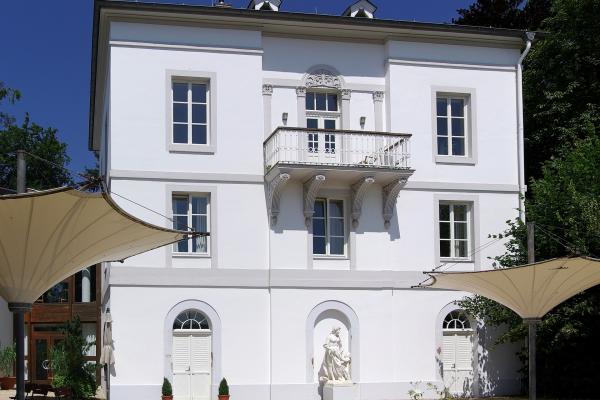
St. Anton am Arlberg is one of the birthplaces of modern alpine skiing, and its museum, housed in the Villa Trier, tells how a remote farming village on a high pass became a world-famous ski resort. The villa is a handsome building from around 1900, set in the village centre, and it gives the museum a more intimate and personal character than a purpose-built display hall. The collection is run with the support of the local community, and it concentrates on the history of the Arlberg region and the sport that transformed it.
The story begins with transport. For centuries the Arlberg Pass was a hard, dangerous crossing between the Tyrol and Vorarlberg, with a hospice at the top to shelter travellers, and the exhibition shows how routes through the mountains shaped life in the villages. The opening of the Arlberg railway in 1884, with its long tunnel beneath the pass, ended the isolation of the valley and brought the first visitors in numbers, and it is presented as a turning point that made later tourism possible. Photographs, maps and objects illustrate how quickly the district changed.
Skiing itself takes centre stage in the permanent exhibition. The Arlberg Ski Club, founded at the start of the twentieth century, was among the first clubs of its kind, and the museum describes how the early enthusiasts experimented with equipment and technique. The key figure is Hannes Schneider, a local ski instructor who developed the Arlberg technique, a systematic way of teaching skiing in groups that spread across the world. Schneider's ski school became legendary, and his story, including his later years in North America, is told here. Exhibits include old skis, bindings, clothing, posters and film material, and they show how rapidly equipment and style evolved. The famous Arlberg-Kandahar race, which brought international racers to St. Anton, also features in the story.
The museum also puts skiing in its social setting, showing how farming families adapted to a new source of income and how the village grew into a lively resort. The result is a good introduction for anyone who wants to understand why the Arlberg carries such weight in the sport.
Opening hours are limited and vary by season, so check locally before you go. A visit takes about an hour, and it suits skiers, history lovers and anyone with an interest in how winter tourism began. It fits well into a rest day or a stroll through the village, with its church and old farmhouses nearby.
Categories
More photos coming soon
Nearby Attractions
Other places to visit in St. Anton Am Arlberg
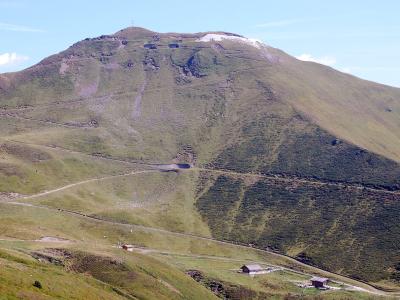
Kreuzjoch
High-altitude pass and ski area in the Tyrolean Alps
Free Mountain Hiking · Ski Resorts
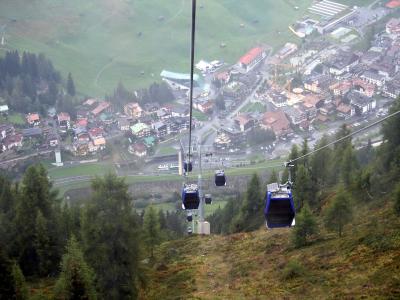
St. Anton Am Arlberg Village Center
Historic village center in the Austrian Alps
City Centers · Local History
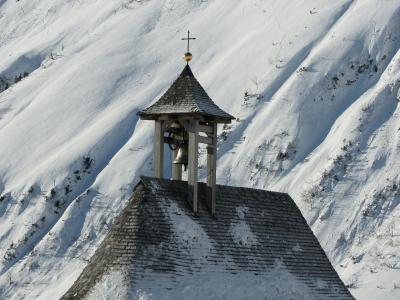
St. Anna Church (St. Anna Kapelle)
Baroque parish church in Tyrol
Historic Houses · Religious Sites
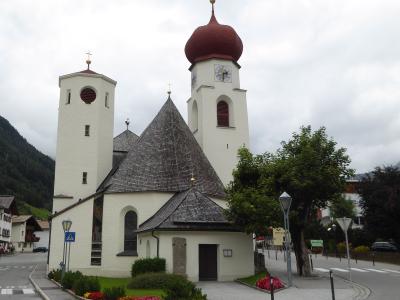
St. Anton Church (St. Antonius)
Baroque church in St. Anton am Arlberg
Architectural Highlights · Religious Sites
Questions people ask
Quick Facts
Best Time to Visit
Austria enjoys a Mediterranean climate with warm summers and mild winters, making it ideal for visiting year-round.