
Türkentor Purbach
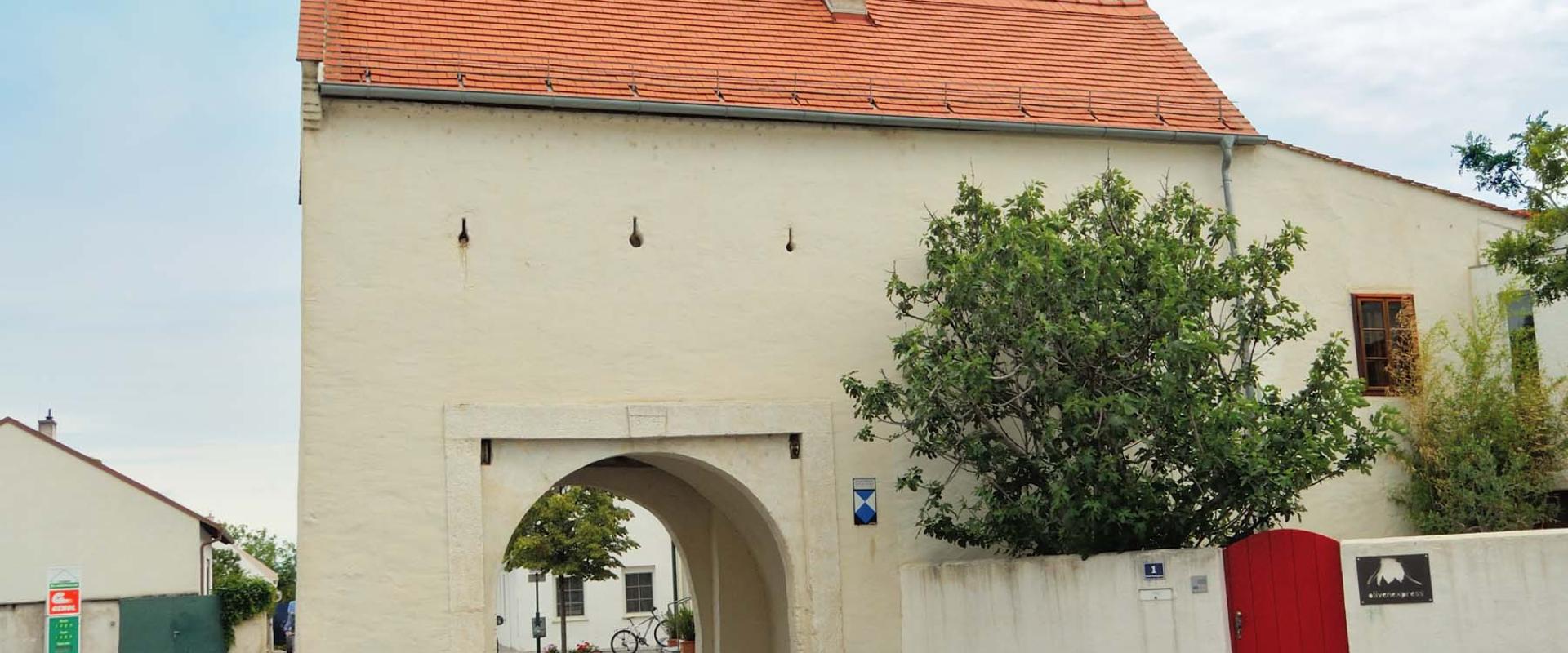
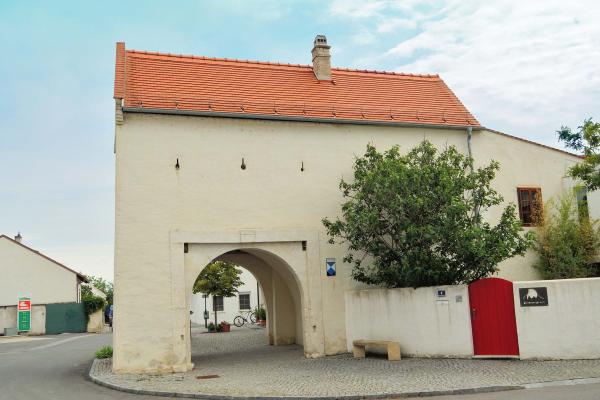
17th-century fortified gate in Purbach
- Admission
- Free
- Hours
- Open access
- Where
- Purbach am Neusiedler See, Burgenland
- Directions
- Directions
Purbach am Neusiedler See is a small wine town on the western shore of Lake Neusiedl in Burgenland, about an hour from Vienna, and the Türkentor, the Turkish Gate, is the best known remnant of its old fortifications. The gate is a sturdy stone structure that once formed part of the town's defences, which included walls and gates that closed the streets at night and in times of danger. It is dated to 1634, in the first half of the seventeenth century, when the region lived in the shadow of the Ottoman threat, and it takes its popular name from the Ottomans, who raided the area several times and attacked Purbach during the siege of Vienna in 1683. The Ottoman wars were a defining experience for the people of Burgenland, and many towns and villages built or rebuilt their defences, often fortifying churches and gates.
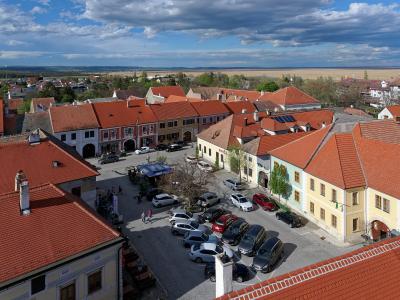
The gate can be seen at any time, free of charge, and its heavy masonry, narrow passage and small window openings give an idea of how a small town protected itself. It stands near the centre of the town, close to the parish church of St. Nicholas, and from there the main street, lined with low houses, leads to the wine cellars that form a characteristic part of Purbach's character. The town is known for its Kellergasse, a lane of old cellars cut into the loess hill, where vintners press and store their wine and often serve it in the cellars to visitors. Purbach is also a well-known wine-growing village, with a long tradition of producing white wines and red wines such as Blaufränkisch and Zweigelt, and many estates welcome visitors for tastings.
The Türkentor is a good starting point for a short walk. You can take in the old houses with their wide arched gateways, the church, and the cellar lanes, and from the edge of the town paths lead into the vineyards, with views of the reed belt and the lake. The Neusiedler See cycle path runs close to the town, and many cyclists stop in Purbach. A small museum devoted to local history, and the nearby Hungarian border region, with its villages and the town of Sopron, make an interesting day trip.
The gate itself is a static monument, with no interior to visit, and the experience is mainly that of looking and photographing. Plan about half an hour for the gate and the centre, and add time for a wine tasting. The town is reached by bus from Neusiedl am See and Eisenstadt, and by car from Vienna.
The best seasons are spring and autumn, when the vineyards are green or golden, and the harvest festivals begin in September.
Categories
More photos coming soon
Hours & Fees
- Open
- Open access
- Admission
- Free
Hours and prices change, especially out of season. Check with the venue before you go.
Nearby Attractions
Closest attractions by distance
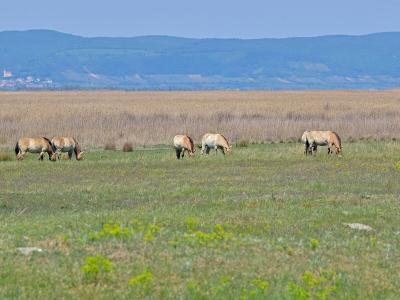
Neusiedler See National Park
Austria's only steppe national park and UNESCO site
National Parks · Walking Tours
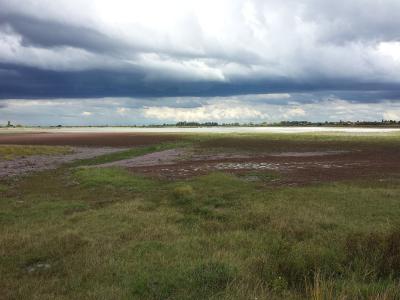
Seewinkel
Austria's first cross-border steppe national park
Boat Tours · National Parks
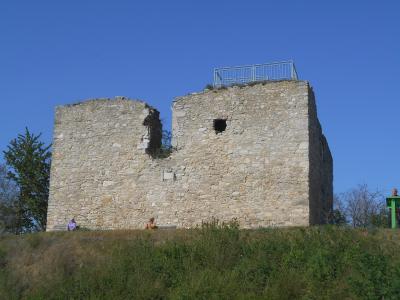
Ruine Tabor
Medieval ruins overlooking Neusiedl am See
Archaeological Sites · Fortifications
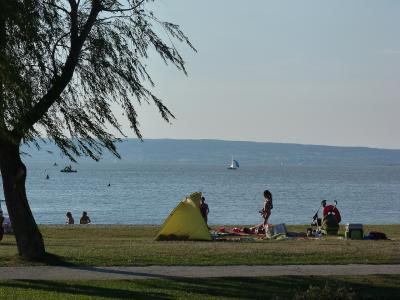
Bathing Facilities In Podersdorf Am See
Generous lake access without reed growth
Alpine Lakes · Water Sports
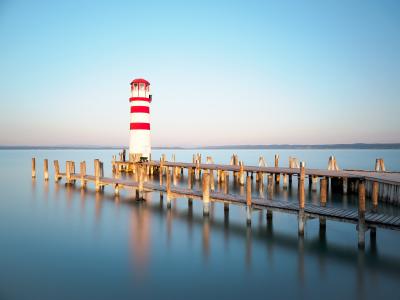
Lighthouse In Podersdorf Am See
1856 red-and-white tower on Lake Neusiedl
Free Architectural Highlights · Historic Houses
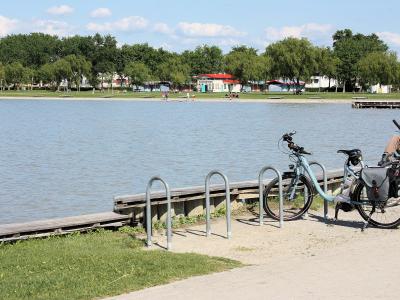
Podersdorf Beaches (Strände)
Reed-free beach on Lake Neusiedl
Coastal Beaches · National Parks
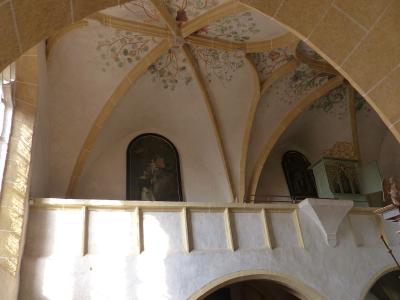
Fishermen's Church Rust
11th-century Romanesque church in Rust, Austria
From €7 Religious Sites
Rust Old Town and its Storks
Baroque old town with nesting white storks
Historic Houses · Local History
Questions people ask
Quick Facts
Best Time to Visit
Visit from early June to mid-September for warm weather ideal for swimming and wine festivals.