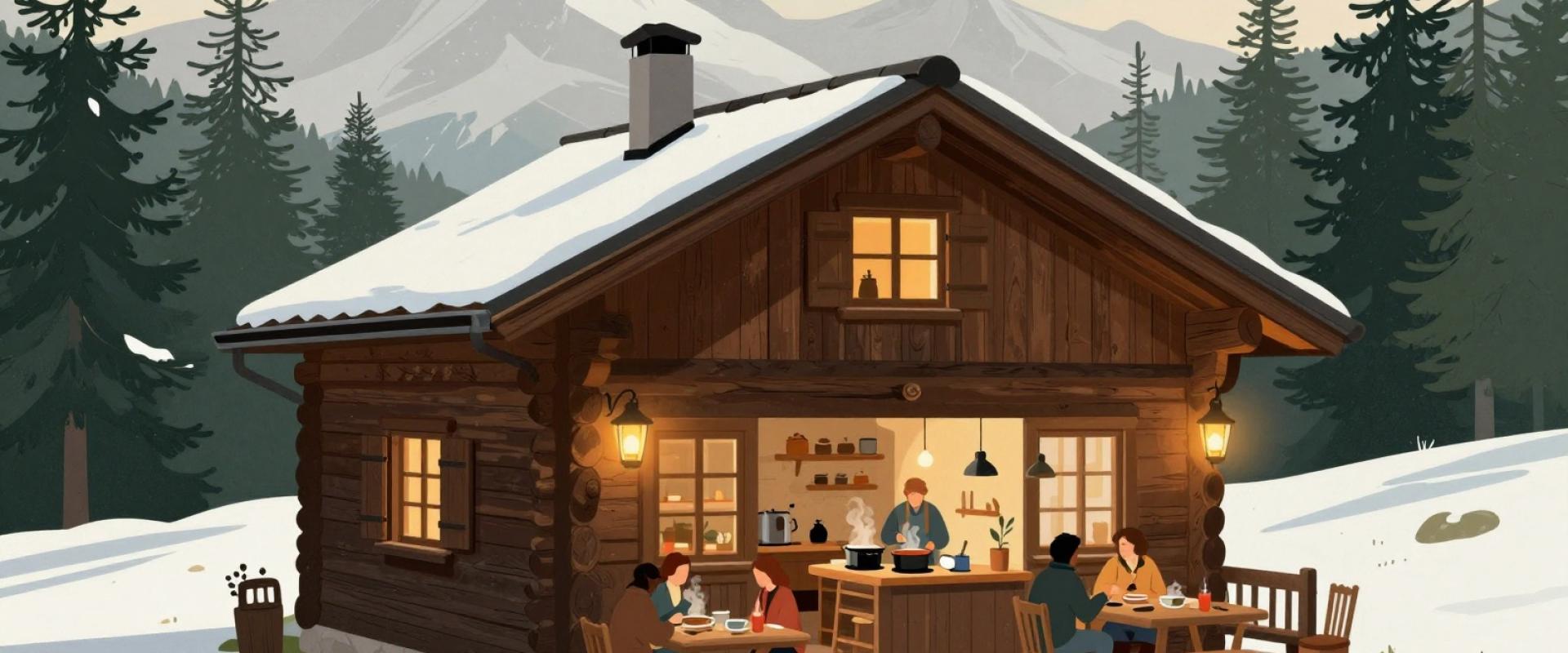
Whispers of the Imperial Alps
Forget the gilded facade of the Golden Roof; the true pulse of Innsbruck thrums through the communal halls of its youth hostels. While my childhood was spent tracing Habsburg frescoes in quiet museums, my adult years map the Arlberg Trail with a sleeping bag on my back. This transition transforms casual backpackers into modern explorers of alpine heritage, bridging the gap between the Tyrolean capital and the serene waters of Salzkammergut.
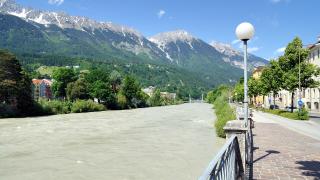
The Youth Hostel Innsbruck anchors this experience, offering beds for roughly €25 near the Nordkette. From these dormitories, panoramic vistas of jagged peaks greet you before you even step outside. Each bunk holds the quiet stories of previous wanderers, creating a communal atmosphere that feels both intimate and expansive.
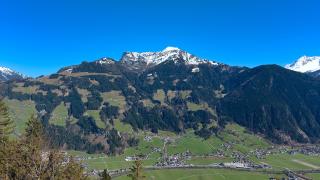
Hiking the 28-kilometer Arlberg Trail, which connects Stubai to Lech, requires leaving heavy luggage behind. Pack light, listen to the wind howling through the Wipptal Pass, and let the mountains dictate your pace. This route is not merely tourism; it is an immersion into Austria’s rugged soul. Your journey truly begins where cobblestones end and dirt trails begin.
Sanctuaries of the Sojourner
Innsbruck’s Golden Roof shines, but true connection blooms in the communal kitchens of youth hostels. I recall sharing Apfelstrudel with students from Berlin at the Tiroler Volkshochschule; such moments define the journey. The Hostel Innsbruck, nestled near the University, offers beds for €25 a night. Its stone walls echo with centuries of scholarly debate. Travelers gather here, swapping tales over local Käse.
In Kitzbühel, the Haus am See provides serene refuge. Priced around €30, it balances alpine charm with modern comfort. Guests often discuss the Hahnenkamm race while enjoying fondue. The atmosphere is lively yet refined.
Further into the Zillertal, the Jugendherberge Mayrhofen stands as a hub for hikers. Dormitory beds cost roughly €22. Here, one hears languages from across Europe mingling with Tyrolean dialects. These spaces are more than beds; they are cultural crossroads. Each hostel preserves regional traditions while welcoming global wanderers. The balance of affordability and heritage creates an enduring legacy of shared human experience.
I invite you to linger. Let the history of these walls inspire your own story. The Tyrolean spirit thrives in such shared sanctuaries.
Alpine passes once served as vital arteries for imperial trade; today, they offer backpackers a serene escape. The Wipptal Card proves indispensable here, granting free access to local buses and trains across the valley. Hikers should prioritize the Arlberg Trail, which winds through ancient pine forests toward the majestic Schleier Waterfall. I recall a fellow traveler who saved fifteen euros daily by shopping at Hofer instead of mountain huts. Budget meals require strategy: purchase fresh bread and local Käse from regional markets. Public transport connects these remote trails efficiently, allowing you to move between villages without a car. The scenery shifts dramatically as you ascend, revealing jagged peaks that have watched over Tyrol for centuries. Always carry a reusable water bottle, as refill stations are plentiful in hostels and town squares. This route rewards the prepared traveler with both solitude and stunning vistas. The legacy of these paths remains etched in the landscape, inviting you to tread lightly and observe deeply.
Echoes of the Valley
The Tyrolean wind sweeps through the Wipptal, carrying more than just cold air; it brings the faint, metallic scent of old trade routes. I once traced similar echoes in the vaulted ceilings of Vienna’s Hofburg, but here, history feels less like a museum exhibit and more like a living, breathing entity. Hostel hopping peels back another layer of this narrative. A single night at Innsbruck’s Hostel Leo costs just €25. That price buys you a bunk, but the camaraderie feels priceless. You walk. You listen. You connect.
This slow pace forces you to notice the subtle shifts in architecture. Gothic precision gives way to rustic charm, mirroring the journey’s own transition from urban energy to alpine silence. In Seefeld, a local baker might slip a warm slice of Kaiserschmarrn into your hands, proving that culture thrives in shared meals, not just behind velvet ropes. The Alps do not merely loom; they invite. Let the rhythm of the train and the quietude of the peaks guide your reflection. Time dissolves here, leaving only stone, story, and the enduring spirit of connection.