Why Innsbruck works in winter
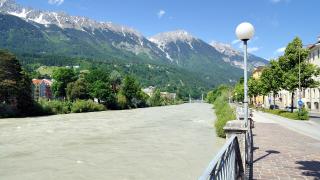
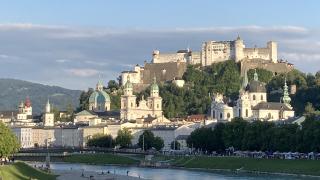
Innsbruck is one of the few places where you can stay in a historic city and reach ski slopes by public transport within minutes. The Tyrolean capital sits in the Inn valley with the Nordkette range rising directly to the north of the old town. It hosted the Winter Olympics in 1964 and 1976, and several Olympic venues are still in use. A winter stay can mix skiing or tobogganing in the morning with museums, cafés and Christmas markets in the afternoon.
The Nordkette: from the city centre to 2,000 m
The Nordkette cable cars start in the city. The Hungerburgbahn funicular, with stations designed by the architect Zaha Hadid, leaves from the Congress station near the old town and climbs to the Hungerburg district. From there, cable cars continue to the Seegrube and on to the Hafelekar at around 2,250 m.
The Nordkette ski area is small and steep and is known for demanding runs and off-piste terrain. It suits confident skiers. Non-skiers can ride up to the Seegrube for the view over the city and the mountains to the south, and eat at the restaurant there.
Skiing around Innsbruck
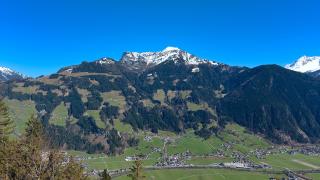
Innsbruck itself has several smaller ski areas around the city, including Patscherkofel above Igls, which was used for the Olympic downhill races, as well as the Nordkette, Axamer Lizum, Glungezer and Muttereralm. The Stubai Glacier, about an hour away, offers a long season at high altitude.
The SKI plus CITY Pass Stubai Innsbruck covers the ski areas of the Innsbruck region and the Stubai valley, together with city attractions, on one pass. Ski buses connect the city with the ski areas. Check the pass's current list of included areas and attractions before you buy.
Tobogganing and other snow activities
Tobogganing (Rodeln) is a popular winter activity in Tyrol and suits non-skiers and families. Several toboggan runs around Innsbruck are reached by cable car or on foot, and some are lit at night. The Muttereralm run leads from the top of the cable car down to the mid-station. Sledges can usually be rented at the valley stations or at mountain inns. Wear a helmet, boots with good grip and ski gloves, and check which runs are open and lit before going in the evening.
Other options:
- Winter hiking and snowshoeing on cleared and marked paths.
- Bobsleigh. The Olympic bobsleigh track in Igls offers passenger rides in winter, with a professional pilot. Check the track's schedule and age limits.
- Cross-country skiing on prepared trails in the surrounding plateaus and valleys, such as the Seefeld area.
In the city
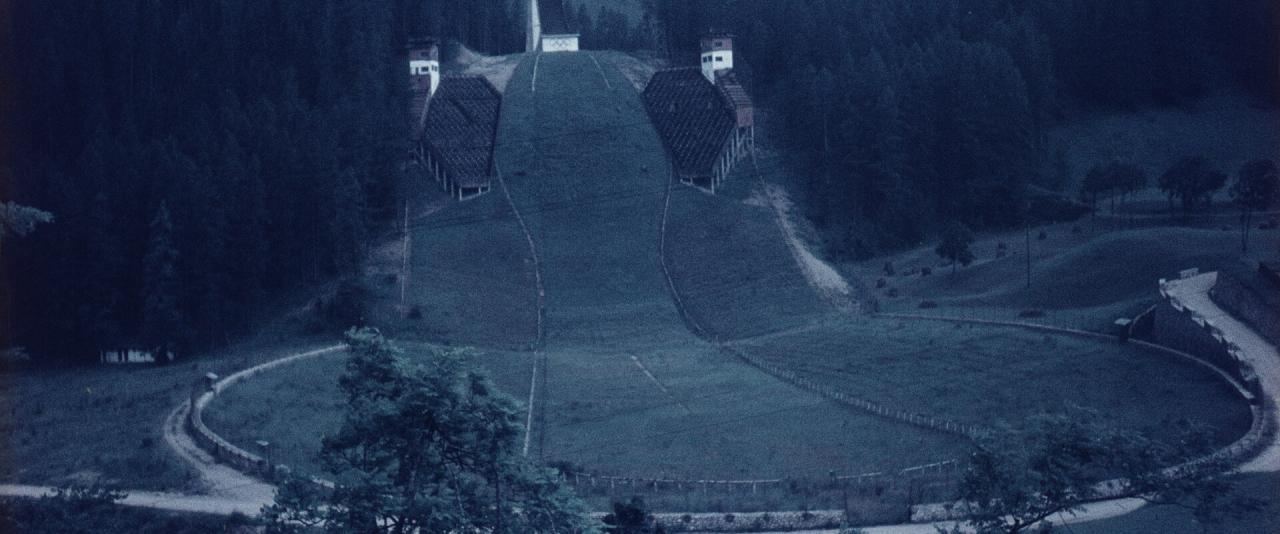
- Bergisel ski jump. The ski jump on the Bergisel hill south of the centre was rebuilt in 2002 to a design by Zaha Hadid. A funicular and lift take visitors to the top, which has a café and viewing platform. Bergisel hosts a stage of the Four Hills Tournament in early January.
- Old town. The Golden Roof (Goldenes Dachl), the Hofburg and the Court Church with the cenotaph of Emperor Maximilian I are all close together and work well on a short winter day.
- Christmas markets. From late November until early January, several Christmas markets run in Innsbruck, including in the old town around the Golden Roof, on Marktplatz by the river and along Maria-Theresien-Straße.
- Igls by tram. Tram line 6 runs through the forest to the village of Igls, a short scenic ride.
The Innsbruck Welcome Card
Guests staying in the Innsbruck region receive a Welcome Card. For stays of at least two nights, it has included free public transport in the region, covering city buses and trams and the ski buses for the whole stay. In winter it also includes free guided winter hikes and snowshoe tours. Longer stays add further benefits, such as discounts on the Nordkette and Patscherkofel cable cars. The details change from season to season, so check what is included with your hotel or on Innsbruck Tourism's website.
Practical tips
- Daylight. Winter days are short; plan skiing or cable car trips early and keep afternoons for indoor sights and markets.
- Altitude cold. The Nordkette summit can be far colder and windier than the city. Dress in layers.
- Avalanche risk. Do not leave marked runs on the Nordkette without avalanche equipment, training and an up-to-date avalanche report. Hire a guide for off-piste skiing.
- When to go. For skiing, January to March usually offers the most reliable snow. December brings the Christmas markets, but snow at lower altitudes varies.