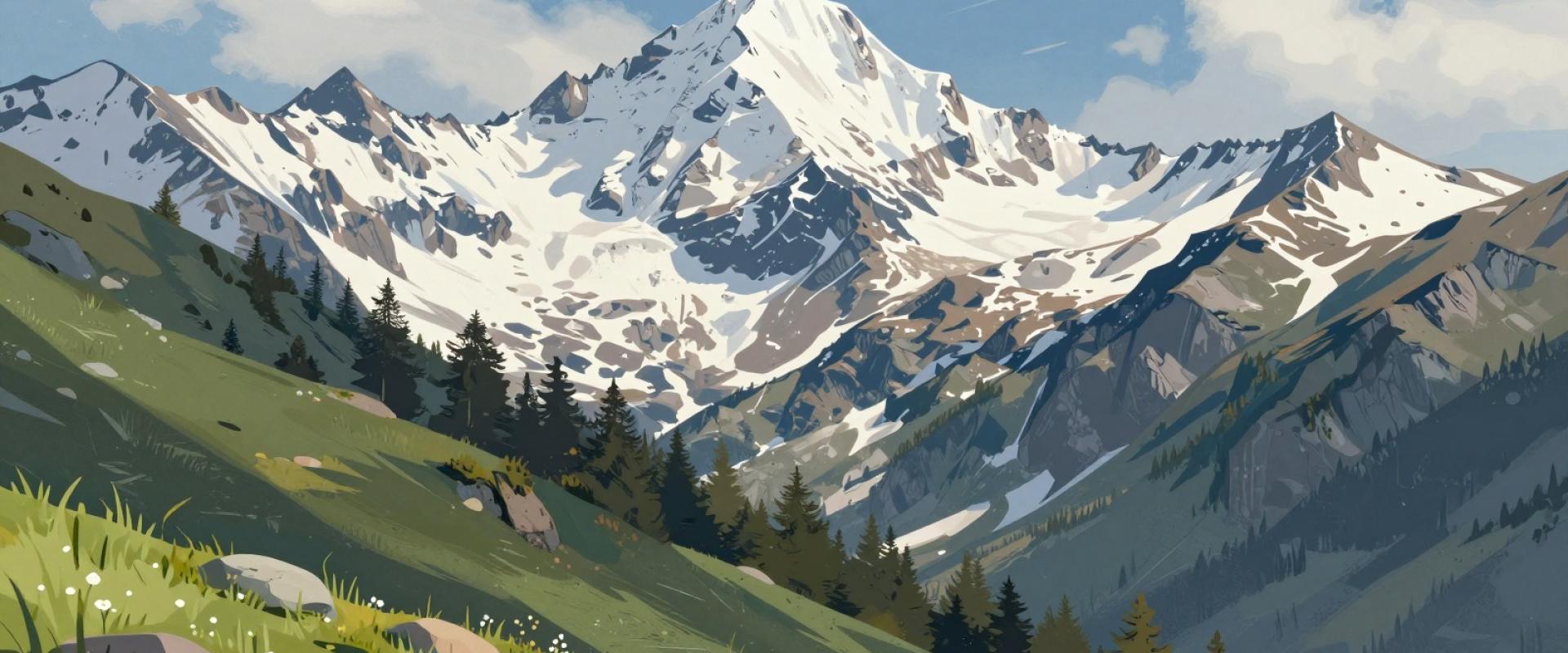
The Velvet Silence Before the Vanguard
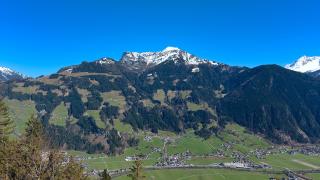
Late March in the Lower Austrian Alps offers a crystalline clarity that vanishes the moment the tourist season begins. I recall standing near the base of the Schneeberg, where snow drifts remained deep and powdery long after Vienna had thawed. That silence felt heavy, not empty, brimming with anticipation. It is a rare solitude. Tourists flood these heights once the sun stabilizes, replacing stillness with chatter and the clatter of ski boots. In those early weeks, however, the mountains belong only to the steadfast hiker.
Life persists beneath the frost, announced by the faint scent of crocuses or the occasional glimpse of a lone ibex. The temperature hovers around 4°C. This chill sharpens the senses without demanding heavy gear. You might think of Empress Elisabeth seeking untamed beauty away from courtly constraints. Her spirit seems to linger in these valleys, urging a slower pace. Just as the imperial court emerges from winter confinement into Schönbrunn’s ballrooms, the alpine flora begins a quiet rebellion against the cold.
The path to the Rax plateau offers the perfect vantage point for this transition. Crunching boots and the distant call of a golden eagle are the only sounds. It is an act of witnessing the earth’s deliberate awakening. Stark white peaks contrast with emerging green valleys. This visual rhythm mirrors no Mahler symphony. Instead, it feels like a private ritual, older than the Habsburgs themselves. Walking now is simply participating in that ancient, unspoken ceremony.
The thaw in the Lower Austrian Alps does not arrive with a gentle whisper. Instead, it crashes in with the sudden, dramatic rush of meltwater carving through ancient glacial valleys. This is a season of transformation where winter’s rigid geometry surrenders to spring’s organic chaos. Prepare accordingly.
Footwear here is non-negotiable. Waterproof hiking boots with aggressive lugs, such as the Salomon Quest 4 GTX, cost around €180 but prevent the ankle-twisting slips common on thawing scree. Pair them with trekking poles to keep rhythm and balance on the shifting earth. The terrain demands respect, akin to handling delicate frescoes in Melk Abbey. Tread lightly. Move with intention.
Lower elevation weather remains as volatile as a Beethoven symphony’s finale. Sun warms blooming alpine meadows one moment. A sudden squall turns trails into slick mud the next. Check ZAMG forecasts daily because conditions change rapidly between dawn and dusk. Avoid popular trails near Schneeberg after heavy rain. Opt instead for the drier, higher ridges of the Wechsel region. Safety is paramount. Inform someone of your route. Carry a thermal blanket. This is not merely a hike. It is an immersion into the raw, unpolished beauty of the Austrian landscape. Every step requires mindfulness and grace.
Botanical Sonatas: Chasing Blooms and Waterfalls
Vienna’s imperial palaces command respect, yet the Lower Austrian Alps offer a verdant, quieter counterpoint to that grandeur. Hike the Schneeberg region in late April. The air carries the crisp scent of melting snow and emerging life. Edelweiss clings to rocky outcrops. Their white petals resemble delicate porcelain against gray stone. Gentians bloom in deep, electric blues. These flowers dot the meadows like scattered sapphires. This is not merely scenery. It is a living canvas.
The Krimml Waterfalls in nearby Salzburg provide a powerful auditory backdrop. Their roar complements the visual splendor. The three-tiered cascade plunges 380 meters. Mist nourishes rare alpine flora. An adult ticket costs approximately €10.50. This spectacle of raw nature demands attention.
Near the Attersee, the water remains chilly. It reflects the pastel facades of lakeside villages. Photographers flock to the Kirchberg am Wagram area. Its unique microclimate creates distinct light. Shadows soften the edges of the landscape. Seek out the Schönbühel-Aggsbach Castle ruins. Ivy climbs ancient stone walls. These ruins whisper tales of medieval knights.
Early spring solitude allows for true contemplation. You hear the wind through pines. Summer crowds are absent. This season offers a pristine view of Austria’s natural heritage. Blooms are fleeting. They last only weeks. Capture this moment before peak season arrives. The experience is serene and invigorating. It connects us to the land’s enduring rhythm. This is the true soul of the Alps.
Warmth in the High Places: Hut Culture and Hearty Soups
The mountain air does something peculiar to the human spirit. It strips away the noise of the city and sharpens your hunger until every step feels necessary.
Ascend the Lower Austrian Alps in late April, and you will witness the snow retreating. This retreat reveals patches of vibrant green, signaling that the season is gently returning. Hiking here offers profound solitude. The trails remain peaceful long before the summer crowds arrive.
Seek out the Wanderhütte at the foot of the Schneeberg. There, the scent of woodsmoke mingles with damp earth. These structures are cultural anchors, preserving traditions that date back centuries. They are not merely shelters.
Inside, the warmth is immediate. You might order a bowl of Gulaschsuppe, priced around €8.50. This rich beef stew provides essential energy for the afternoon’s climb. The broth is thick, spiced with caraway and paprika. These flavors reflect the region’s Hungarian influences.
Patrons gather around wooden tables, sharing stories of their ascent. This communal spirit is the true heart of Alpine culture. It transcends language barriers. It unites strangers through the simple pleasure of warm food and shared silence.
The hospitality here is genuine. It is rooted in a deep respect for the mountains that govern their lives. Each sip of soup feels like a tribute to the land’s resilience.
The huts stand as testaments to human endurance against the elements. They offer more than sustenance. They provide a sanctuary for reflection.
In these high places, time slows down. The pace of modern life fades into the background. You are left with only the rhythm of your breath and the crackle of the stove.
This experience connects you to a lineage of hikers who sought the same peace. It is a reminder that nature, though formidable, can be welcoming. The legacy of these trails endures in every shared glance and warm bowl. Austria’s alpine spirit thrives in these quiet moments of connection.
Echoes of the Eternal Mountains
The silence in the Lower Austrian Alps during early April is deceptive; it is thick with the scent of thawing snow and the purple heads of awakening crocuses. Standing near the crumbling stones of Aggsbach Castle, the wind carried a faint cowbell chime from a high pasture, a sound that has drifted through these valleys since the Habsburg era. That single auditory detail crystallized the essence of mindful travel for me. It is not about checking boxes on a map. It is about listening to the land before the rest of the world rushes in to claim it.
Hiking these trails now offers a privilege denied to the summer crowds. One might spot a lone Gemse grazing on the slopes of the Dunkelsteiner Wald, entirely unbothered by the clamor of tourist buses. This solitude allows for a deeper connection with the landscape, transforming a simple walk into a meditative journey through history. The modest cost of a regional Wanderpass buys far more than access; it purchases a rare, uninterrupted peace that feels invaluable.
These mountains have witnessed centuries of imperial rise and fall. They remain steadfast, offering a sanctuary for those who seek to tread lightly. I invite you to seek out these quiet moments, to honor the enduring legacy of this land by preserving its tranquility. Let the echoes of the mountains guide your steps, reminding us that true beauty often lies in the spaces between the noise.