Before you set off
Austria is easy to drive in, but a few rules catch visitors out. The main ones are the motorway vignette, the separate tolls on certain tunnels and passes, the winter tyre rule and the emergency corridor law. Check the details with ASFINAG (the motorway operator) and the Austrian automobile clubs ÖAMTC and ARBÖ before you travel, as rules and prices are updated regularly.
If you are renting a car, ask whether a vignette and winter tyres are included. Cars rented in Austria normally carry them; cars rented in neighbouring countries often do not.
The motorway vignette
All cars and motorcycles up to 3.5 tonnes need a vignette to use Austrian motorways (Autobahn) and expressways (Schnellstraße). It is available as a physical sticker or as a digital vignette linked to your number plate. Prices valid from 1 December 2025:
| Type | Car | Motorcycle |
|---|---|---|
| 1-day | €9.60 | €3.80 |
| 10-day | €12.80 | €5.10 |
| 2-month | €32.00 | €12.80 |
| Annual | €106.80 | €42.70 |
One important detail: if you buy a 2-month or annual digital vignette online as a consumer, it only becomes valid from the 18th day after purchase, because of consumer protection rules. 1-day and 10-day digital vignettes can start immediately. Buy from the official ASFINAG toll shop or app, or from petrol stations and ÖAMTC/ARBÖ offices; ASFINAG warns about fake websites and phishing messages claiming to collect tolls or fines.
Section tolls on tunnels and passes
Some routes charge an extra section toll on top of the vignette. ASFINAG's 2026 single-trip prices for cars:
- A 9 Pyhrn motorway: Gleinalm tunnel €12.00, Bosruck tunnel €7.00
- A 10 Tauern motorway (Tauern and Katschberg tunnels): €15.00
- A 11 Karawanken tunnel (to Slovenia): €9.00
- A 13 Brenner motorway (Innsbruck to the Italian border): €12.50
- S 16 Arlberg tunnel: €13.00
You can pay at the toll station or buy a digital section toll in advance, registered to your number plate, which lets you use the normal lanes and have the barrier open automatically. Some scenic roads not run by ASFINAG, such as the Grossglockner High Alpine Road, charge their own separate tolls.
Winter tyres and snow chains
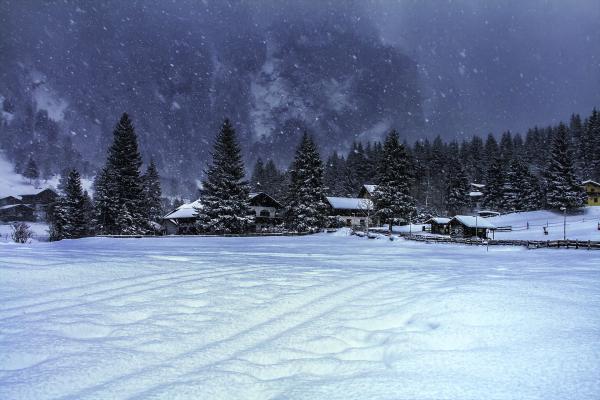
From 1 November to 15 April, cars may only be driven in wintry conditions, meaning snow, slush or ice, if they have winter tyres fitted. In practice, because conditions can change quickly in the mountains, you should treat winter tyres as necessary for that whole period. Fines for driving in winter conditions without them start at around €100 and can be much higher if other road users are endangered.
Snow chains are not a substitute for winter tyres. They may only be used on snow-covered roads, and some mountain roads and passes are signposted as requiring chains in heavy snow. Carry chains that fit your tyres if you plan to drive into ski resorts or over passes in winter, and practise fitting them before you need them.
Rules that surprise visitors
- Speed limits: generally 50 km/h in built-up areas, 100 km/h on rural roads and 130 km/h on motorways, unless signs show otherwise. Many motorway sections have lower limits, including for air quality reasons.
- Emergency corridor (Rettungsgasse): as soon as traffic slows towards a standstill on a motorway or expressway, drivers must form a lane for emergency vehicles. On a two-lane road the gap opens between the lanes; on a road with more lanes, the leftmost lane moves left and everyone else moves right.
- Required equipment: a reflective safety vest for the driver, a warning triangle and a first-aid kit.
- Alcohol: the general blood alcohol limit is 0.5 g/l, with lower limits for novice and professional drivers.
- Phones: handheld phone use while driving is not allowed.
Driving mountain roads and passes
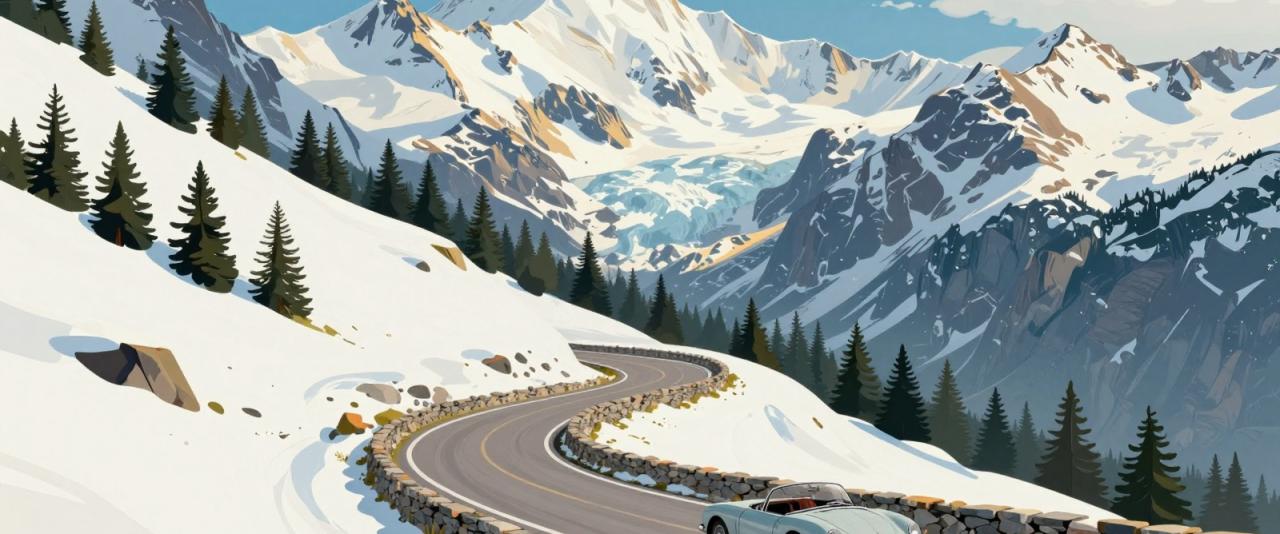
High Alpine roads such as the Grossglockner, the Timmelsjoch or the Silvretta High Alpine Road close in winter, and opening dates depend on snow. Check before you plan a route around them. On mountain roads:
- Use a low gear on long descents to avoid overheating the brakes.
- On narrow sections, vehicles going uphill generally have priority, but be ready to stop and reverse to a passing place.
- Watch for cyclists, motorcyclists, cattle and walkers, especially on weekends.
- Fill up in the valleys; fuel stations are scarce at altitude.
- Expect afternoon thunderstorms in summer and plan longer drives for the morning.
Useful numbers and resources
The European emergency number is 112. ÖAMTC (120) and ARBÖ (123) run breakdown services. ASFINAG publishes live traffic information and webcams for motorways, and the regional road authorities post pass closures. For current rules for foreign drivers, the ÖAMTC and ARBÖ websites are the most reliable sources.