Kufstein
Historic Tyrolean town with fortress and alpine cable car
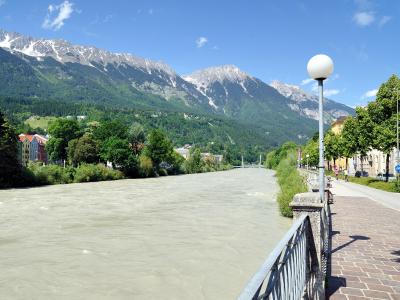
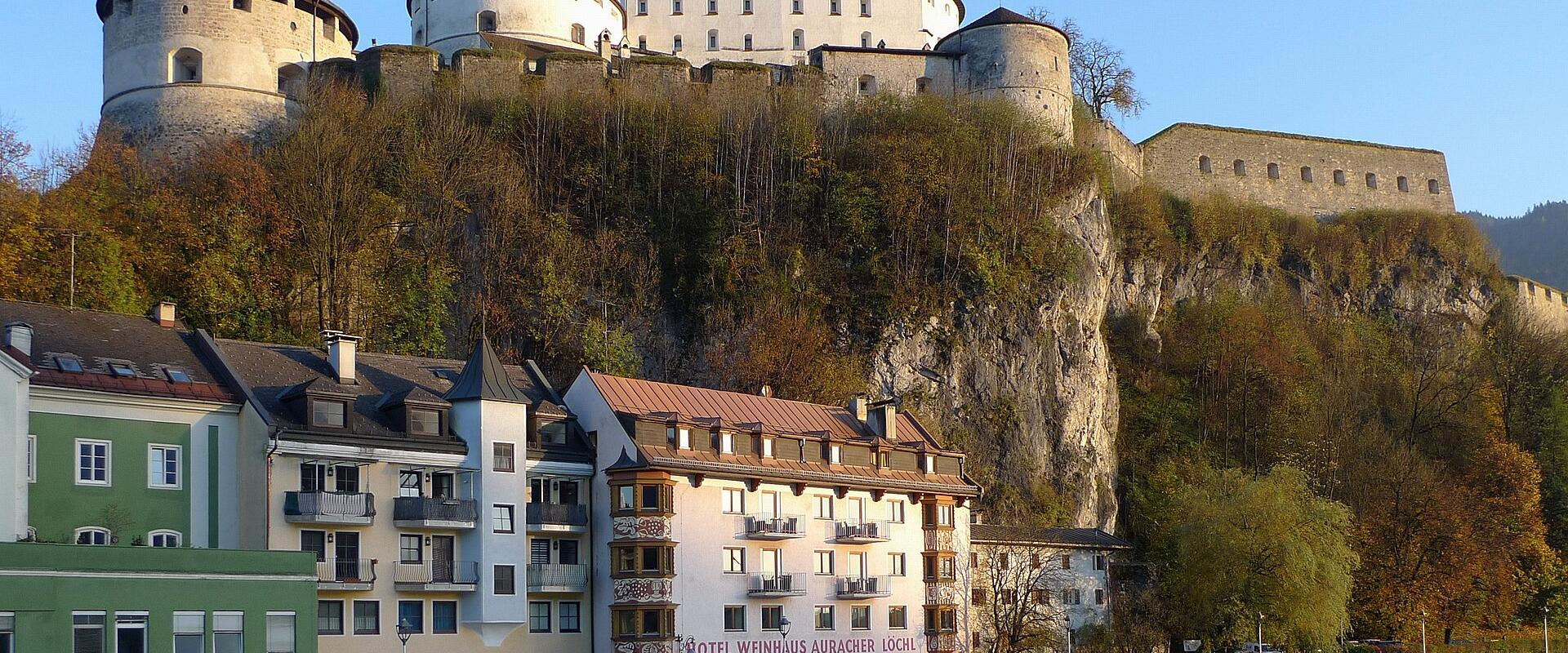
Kufstein lies in the Lower Inn Valley, the Unterinntal, in Northern Tyrol, at a narrow point where the Inn River passes between the Kaisergebirge to the east and the Thiersee hills to the west. The border with Germany is about five kilometres to the north, and the town has been a frontier place for most of its history: it belonged to Bavaria until 1504, when Emperor Maximilian I took it by force and added it to Tyrol. That event, and the siege that preceded it, shaped the fortress.
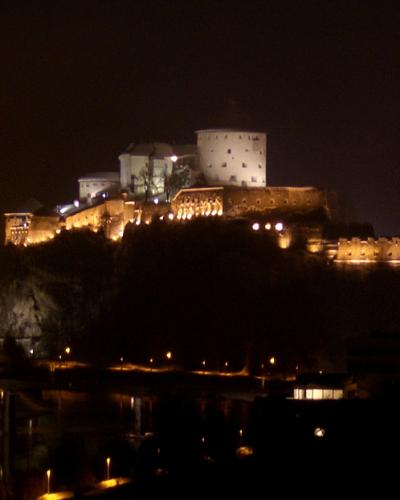
The Kufstein Fortress, the Festung Kufstein, is the town's emblem. It stands on a rock above the Inn, with a medieval core and later bastions, a keep with walls up to four metres thick, and a long history of fortification. It served as a state prison, and played a role in the Napoleonic Wars and the Tyrolean Rebellion of 1809, when Andreas Hofer's rebels fought French and Bavarian forces. Today it houses museums, including an exhibition on the fortress's history and a small local museum, and its courtyard and terraces give wide views over the town, the river and the Alps. A glass lift and a cable-like inclined lift climb from the old town, or you can walk up the stairs.
The fortress also holds the Heroes' Organ, the Heldenorgel, an organ with more than 4,000 pipes that is regarded as the largest open-air organ in the world, built as a memorial to the dead of the world wars. The Organ Concerts' dates are posted at the fortress and in town, and a short recital is played from a separate console. Fortress Concerts are held in the courtyard in summer, and the dates change each year.
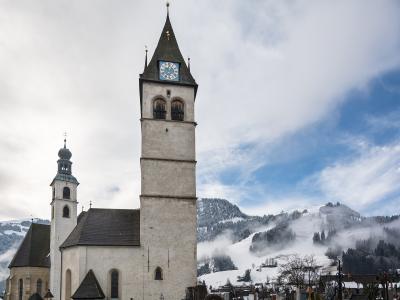
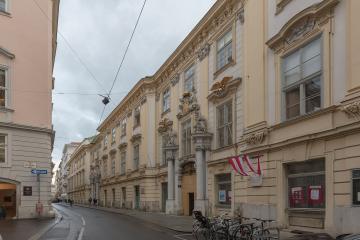
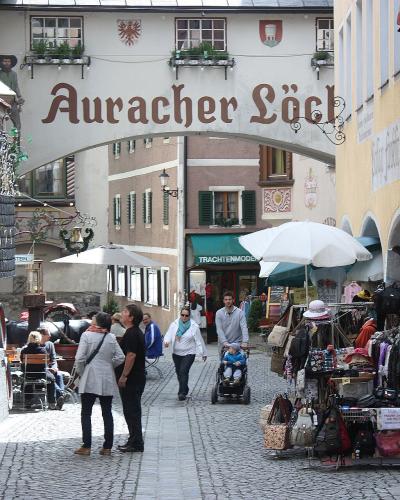
The old town below has a compact pedestrian zone with colourful façades, arcades and small shops. The Römerhofgasse, a narrow historic street in the centre, is lined with old houses and is a pleasant place for a walk. The Gothic Parish Church of St. Vitus, with later Baroque features, anchors the centre, and a short walk leads to the river promenade. Local guides also list a Karl Ganzer Memorial, dedicated to a painter who lived in Kufstein; ask at the tourist office for details.
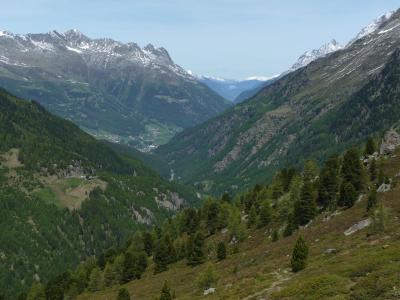
The mountains are close. The Kaisergebirge, the Emperor Mountains, rise just east of the town, and their rugged limestone walls are a main destination for climbers and walkers. The Kaisertal, a quiet valley leading into the range, has a long walking path, an old hermit's chapel and a nature trail, and the Tischofer Cave, a cave with prehistoric finds and a small exhibition, lies along it. To the south-west, the Hohe Salve, reached by a Cable Car from Söll, a summit with a pilgrimage chapel and a large panorama, can be reached from the Brixental and Söll, and the Wildschönau valley, with alpine meadows, is a ski and hiking area. The Thiersee, a warm lake close to the border, is a short drive away. Across the Inn lies the road north to Southern Bavaria, and the Karwendel range can be seen far to the west. The place was a Roman crossing of the river too, and in modern Europe it is one of the busiest border towns in the east of Austria, with North and Northern Tyrol on one side and Bavaria on the other.
Cycling is popular, with the Inn cycle path running through town, and rafting and kayaking are available on the river. A summer festival with concerts and local events fills the calendar, and in December an Advent market takes place in the old town, with the fortress lit above.
Food is Tyrolean, with Tiroler Gröstl, a pan of potatoes, bacon and fried egg, Kaiserschmarrn, a torn pancake with fruit compote, and cheese dumplings among the staples. Beer from local breweries is on offer, and cafes serve cakes and strudel.
The best time to visit is from June to September, with the organ concerts and open-air events, though spring and autumn are quieter and good for walking. August is warm. In winter, skiing is available in nearby areas, and the Advent market is an attraction.
Getting there is easy. Kufstein lies on the main railway between Munich and Innsbruck, with direct trains from Munich in about an hour and a quarter and from Innsbruck in about 45 minutes. By car, the Inntal Autobahn, the A12, and the German A93 meet at the border near the town. Vienna is about five hours away, Salzburg about an hour and a half, and Munich about an hour.
Best Time to Visit
Visit from late June to late August for warm weather ideal for hiking and fortress exploration.
Did you know?
Interesting, verified facts about Kufstein
Kufstein Is Shaped by a River
HistoryKufstein is a town in the state of Tyrol, Austria, located on the Inn River near the German border.
Source: KufsteinKufstein Has Another Verifiable Detail
HistoryThe atmosphere is a blend of historic charm and alpine vitality, with a well-preserved old town featuring colorful buildings and narrow streets.
Source: Kufstein - Travel guide at WikivoyageKufstein Has Another Verifiable Detail
SportsThe town serves as a gateway to the Hohe Salve mountain range and the Wildschönau valley, providing access to extensive hiking and skiing areas.
Source: Wildschönau - WikipediaPlan Your Visit to Kufstein
Essential travel tips and information for your trip to Kufstein.
Suggested Itineraries
Travel Tips
Currency
EUR • Cards widely accepted
Language
German • English in tourist areas
WiFi
Free WiFi in cafes and hotels
Explore Kufstein by Interest
Discover attractions and experiences in Kufstein organized by your interests and travel preferences.
All attractions in Kufstein
Sorted by our recommendation score
Quick Facts
Book your stay
Frequently Asked Questions
More destinations in Tyrol
Explore other amazing places in the Tyrol region