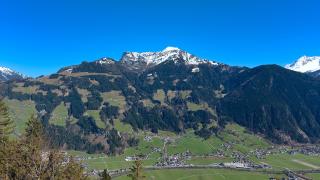
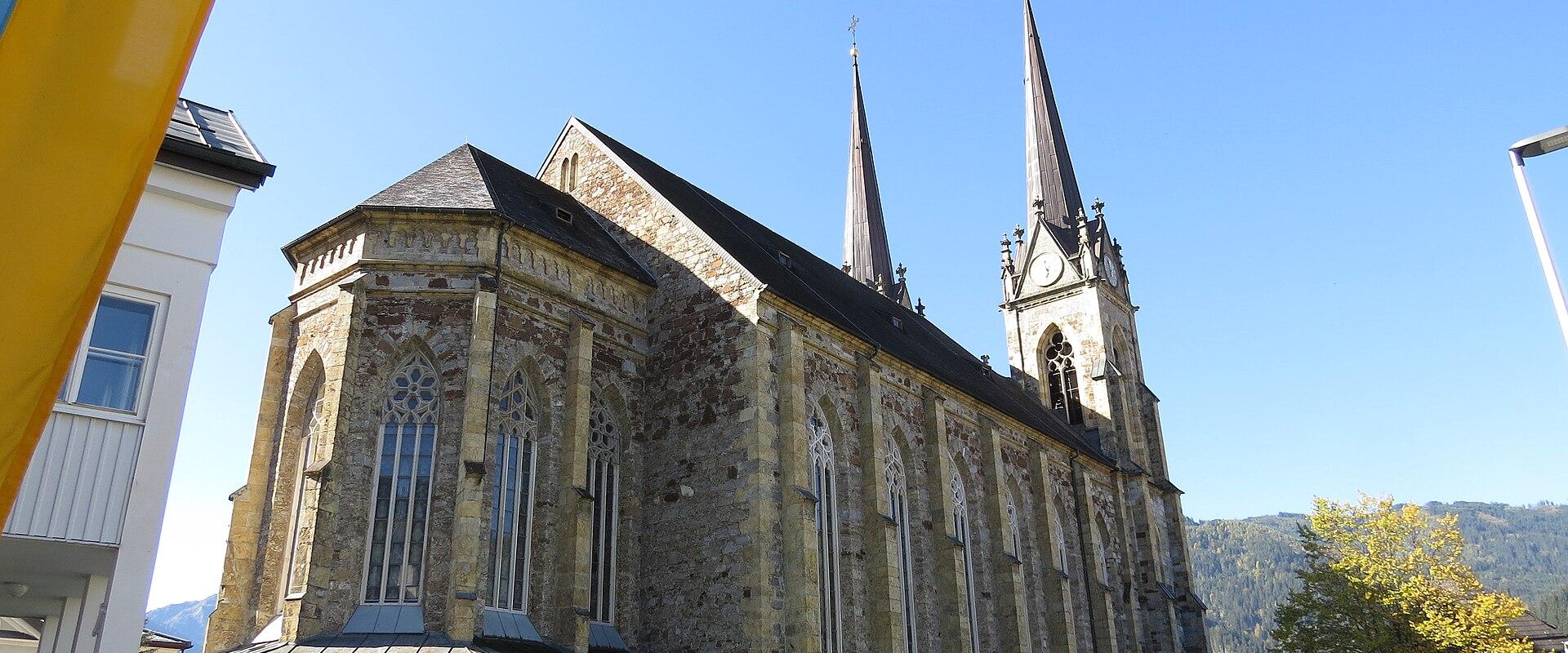
St. Johann im Pongau lies where the Großarlbach valley meets the Salzach, at about 600 metres, in the broad stretch of the Salzach valley known as the Pongau. The Hochkönig massif rises to the west and the Dachstein and the Tennengebirge lie to the north-east, while the Radstädter Tauern close the horizon to the south. The town has about 11,000 inhabitants, which makes it one of the biggest in the district, and it is a regional centre for shops, schools and a hospital.
The valley's history is that of a transit route. The road and later the railway from Salzburg to Carinthia and Italy run through the Pongau, and St. Johann grew as a stopping place. The town's name refers to the church of St. John, and in the eighteenth century it was the scene of the expulsion of Protestants from the archbishopric of Salzburg: in 1731 and 1732, thousands of Protestants were forced to leave, and the region still bears traces of that history. A fire destroyed much of the old town in 1855, and it was rebuilt in the style of the period.
That is why the church, the Pongauer Dom, is the dominant building. It was built between 1855 and 1876 in neo-Gothic style, with two tall spires and a vaulted interior, and it is one of the largest churches in the Salzburg region. The contrast with the Baroque churches of Salzburg is striking, and the town itself has few Baroque buildings, apart from a few older houses and chapels near the centre. A walk through the town takes less than an hour.
The great natural attraction is the Liechtenstein Gorge, the Liechtensteinklamm, a narrow canyon cut by the Großarlbach, about a kilometre long and up to 300 metres deep, with walls so close that sunlight hardly reaches the bottom. Wooden walkways and stairs lead through the gorge, past waterfalls and rock formations, to a large waterfall at the end. It was opened to the public in 1875 and named for the Prince of Liechtenstein who funded the walkways. The gorge is open from spring to autumn, and in summer the walk is cool and refreshing; dress for spray. Admission is charged.
The surroundings offer more. In winter, St. Johann is part of the Ski amadé network, which links Flachau, Wagrain, Alpendorf and many other areas, and the Alpendorf ski area is directly accessible from the town by cable car. In summer, the alpine pastures above the town can be reached on foot or by lift, and trails lead into the Großarltal, a side valley known as the Valley of the Alps, with its traditional farms and a calm atmosphere. The Salzach cycle path passes through the town, and rafting and canyoning are available nearby.
Cultural life centres on traditional music and crafts, and the town and valley hold festivals in summer and autumn, with brass bands, costume and the cattle drive down from the high pastures. Food is Pongau cooking: Kasnocken, cheese dumplings with fried onions, are the regional dish and appear in many variants, along with roast meats, trout and sweet dishes such as Kaiserschmarrn. Farms sell cheese, bacon and honey.
The best time to visit is from December to March for skiing and from June to October for walking. Spring is quiet.
Getting there is simple. St. Johann has a railway station on the Tauern line, with direct trains from Salzburg in about 50 minutes and from Villach in about an hour and a half. By car, the A10 Tauern motorway passes directly, and Salzburg is about 45 minutes away, Munich about two hours and Vienna about three and a half hours. Buses and ski buses serve the valleys.
What to see in St. Johann Im Pongau
Our picks first.
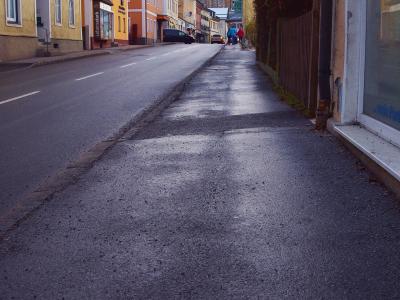
Local Markets and Town Square
Historic town square hosting the weekly Alpenmarkt
Free Food & Gastronomy · Urban Exploration
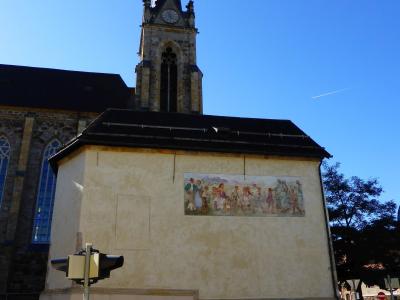
St. Johann im Pongau Parish Church (Pfarrkirche)
Baroque parish church in St. Johann im Pongau
Architectural Highlights · Religious Sites
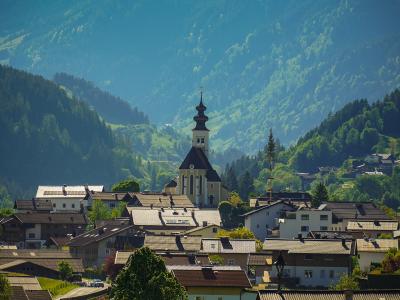
Pongau Region (General Area)
Main city of Pongau in the Salzach Valley
Mountain Hiking · Scenic Valleys
St. Johann Im Pongau by interest
The same sights, grouped by what you came for.
Planning a visit to St. Johann Im Pongau
Good to know
- Currency
- EUR
- Language
- German