




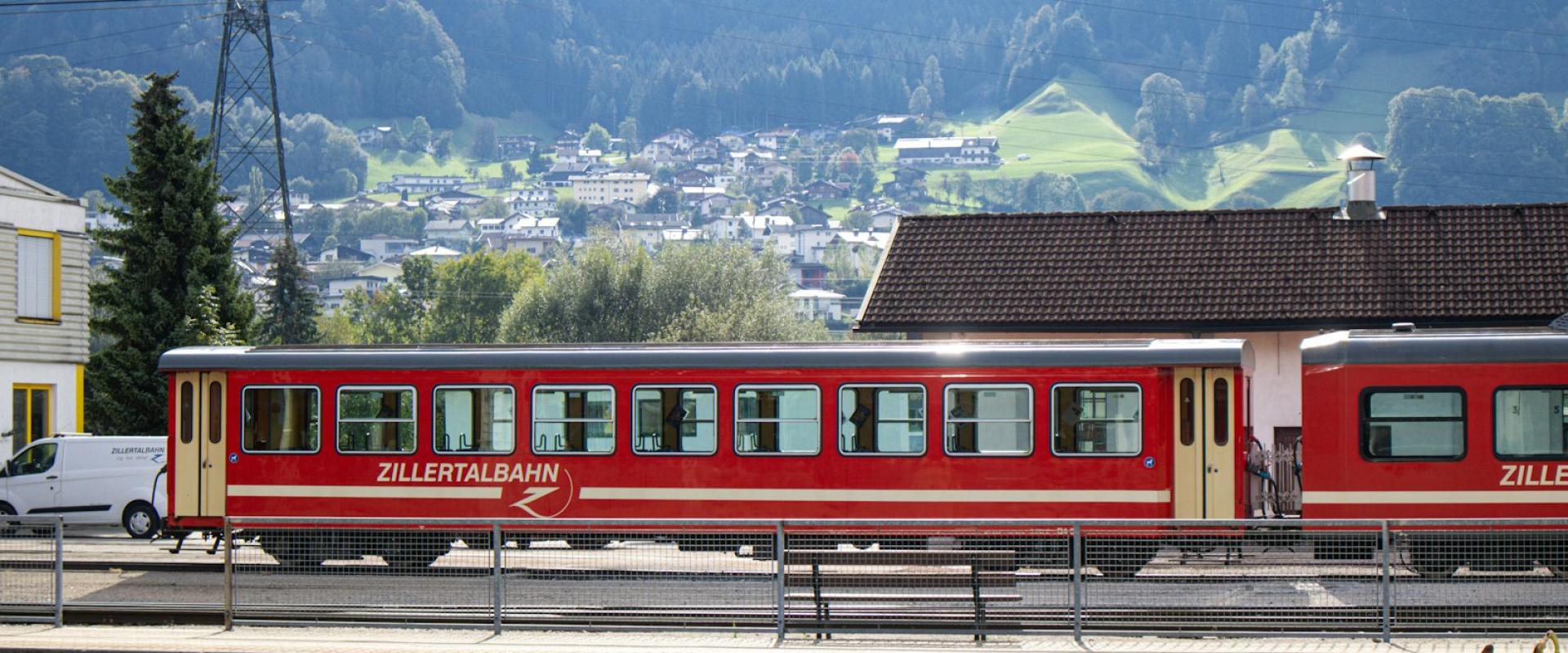
ÖBB operates a tiered service hierarchy across Austria. Railjet trains provide the fastest domestic connections. These high-speed services link major hubs like Vienna, Salzburg, and Innsbruck. Trains reach speeds up to 230 km/h. Stops are infrequent, ensuring efficient travel times. Cityjet services offer similar comfort with slightly fewer amenities. They connect key cities with moderate stop frequencies. InterCity trains serve secondary routes and smaller towns. These services stop more often than Railjets. They are ideal for regional connectivity. Regional trains (Regionalzug) cover local networks extensively. They stop at nearly every station. Travel is slower but cost-effective for short distances. Selecting the correct train type impacts itinerary efficiency. Railjets require seat reservations for guaranteed seating. Regional trains do not require reservations. This flexibility aids spontaneous travel planning. Understanding these distinctions helps travelers optimize their journeys. Fast connections suit long-distance routes. Regional options are better for local exploration. Always verify the train category before boarding. This ensures you choose the right speed and comfort level for your specific Austrian travel needs.
Ticketing and Reservation Protocols
ÖBB separates travel rights from seat guarantees. You must buy a ticket for valid travel. A reservation is optional on most services. It guarantees a specific seat assignment. Long-distance Railjet trains require reservations during peak hours. Regional trains rarely need seat bookings. Always check the specific train requirements online. Sparpreis tickets offer significant cost savings. These discounted fares start at €17.90. They are valid for specific trains only. Early booking is crucial for best prices. Fares increase as departure time approaches. Rail passes cover all ÖBB domestic trains. Reservations are mandatory for night trains. Daytime regional travel usually requires no booking. Use the ÖBB app for real-time updates. Mobile tickets are fully accepted on board. Print your e-ticket as a backup. Station kiosks sell physical tickets instantly. Avoid buying from unauthorized third-party vendors. Always validate your pass if required. This system ensures efficient network management.
The ÖBB Scotty app provides essential real-time data for Austrian travelers. It displays live departure boards and platform changes instantly. The website offers detailed route planning across the national network. Users can filter results by speed or price. Navigation within stations is generally straightforward. Major hubs like Vienna Hauptbahnhof feature clear digital signage. Minor stations may lack extensive indoor wayfinding. Travelers should rely on platform indicators. ÖBB integrates closely with local urban transit systems. Vienna’s U-Bahn and S-Bahn connect directly to rail terminals. Salzburg’s bus network links to the main station. Tickets often cover combined rail and bus journeys. This integration ensures seamless transfers in cities. The app confirms if a local bus is included. Always check the specific ticket validity. Digital tools reduce uncertainty during complex journeys. They provide accurate arrival times for connecting services. This reliability supports efficient travel across Austria.
Accessibility and Rural Connectivity
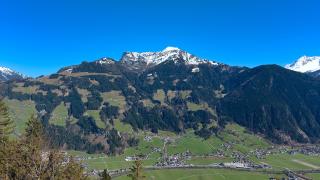
ÖBB provides free assistance for passengers with reduced mobility. Request help via the Scotty app or station staff. Allow at least thirty minutes before departure. This ensures staff can assist with boarding. Rural and alpine routes face unique challenges. Snow and landslides frequently disrupt schedules in the Alps. Trains in remote areas run less frequently. Service may drop to hourly intervals in valleys. Weather delays are common during winter months. Passengers must build significant buffer time into plans. A two-hour buffer is advisable for alpine connections. Delays can extend travel times by over an hour. Rural stations often lack elevators or ramps. Some smaller stops have high platforms only. Check specific station accessibility on the ÖBB website. Rural tickets cost approximately ten euros for short trips. These fares apply to regional Railjet services. Always verify real-time status before traveling. The Scotty app provides live delay updates. This tool is essential for rural journey planning. Reliable connectivity requires careful scheduling and patience.