
Daily Cost Benchmarks
Daily expenses in Austria vary significantly by travel style. Budget travelers should expect costs between €75 and €110 per day. This tier includes hostel stays, typically around €40 nightly. Supermarket breakfasts cost approximately €5 daily. Public transport day passes average €8 in major cities. Mid-range travelers require €150 to €280 daily. This covers 3-star hotel rooms priced at €75–110 per person. Restaurant meals and paid attraction tickets add to this total. Luxury travelers need €500 or more each day. Five-star suites often exceed €350 per night. Fine dining experiences cost over €200 per meal. Private tour services further increase daily expenditures. These averages exclude international flight costs. Vienna and Salzburg remain 10–20% more expensive than rural regions. Shoulder seasons offer 20–40% lower prices than summer peaks. A weekly Vienna transport pass costs €17.10. Solo travelers average €2,450 for a two-week trip. Planning ahead ensures accurate financial expectations for your Austrian journey.
Regional Price Variations
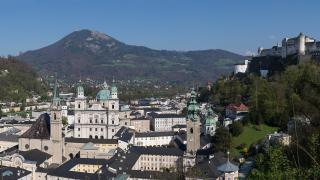
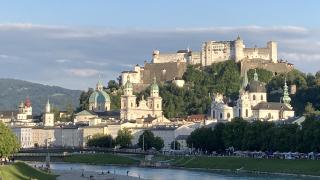
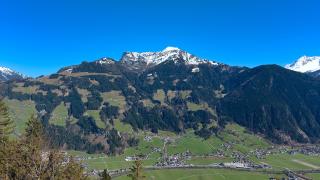
Location drastically impacts your daily budget in Austria. Major hubs like Vienna and Salzburg command premium rates. Expect costs to be 10–20% higher here than elsewhere. Accommodation and dining reflect this urban price surge. Conversely, rural areas offer significant savings. The outskirts of Tyrol provide better value than city centers. You can find cheaper lodging and meals outside major hubs. Seasonality further influences these regional price differences. Shoulder seasons, specifically April–May and September–October, are ideal for budgeting. During these months, costs drop by 20–40%. Hotels and tours become much more affordable. Peak summer and Christmas seasons see the highest hikes. Prices surge due to high tourist demand. Travelers should plan carefully to avoid peak premiums. Rural regions remain relatively stable year-round. However, ski resorts spike in winter. Vienna’s weekly transport pass costs €17.10. This is standard but higher than smaller towns. Always compare city versus rural options. Salzburg’s historic center is particularly expensive. Staying slightly outside reduces expenses significantly. Rural Tyrol offers alpine views at lower prices. Budget travelers should prioritize shoulder season visits. This strategy maximizes savings across all regions. Avoid peak holiday weeks for best rates. Regional variations allow for flexible budget planning.
Transportation and Mobility
Public transport offers the most economical mobility option in Austria. Vienna’s weekly transport pass costs just €17.10. This fare covers all local U-Bahn, tram, and bus services. It provides unlimited travel for seven consecutive days. For inter-city travel, ÖBB trains require advance booking. Booking early secures the lowest possible fares on long-distance routes. Regional passes and the Austria Card offer significant savings. These tickets reduce inter-city travel costs substantially for tourists. They are ideal for multi-city itineraries across the country. Car rentals incur high fuel, toll, and parking costs. Austria’s toll system requires electronic vignettes for highways. Parking in city centers is expensive and limited. Public transport is often more economical than driving. Trains connect major hubs efficiently and reliably. Buses serve remote alpine regions effectively. Budget travelers should prioritize rail and bus networks. This strategy minimizes daily transportation expenses significantly. Avoiding car rentals saves money on insurance and fuel. Vienna’s integrated network simplifies navigation for visitors. The weekly pass eliminates per-trip ticket purchases. This approach ensures predictable and low daily costs. Travelers can allocate more funds to accommodation and dining. Efficient mobility planning is crucial for budget management. Austria’s infrastructure supports cost-effective ground transportation well.
Dining and Accommodation Strategies
Lodging costs drop significantly outside city centers. Suburban hotels offer 20–30% savings with excellent transit links. 3-star hotels often include breakfast, reducing daily food expenses. Hostel dorms average €40 per night in major hubs. Dining out requires strategic choices for budget travelers. Local 'Gasthaus' restaurants serve hearty meals cheaper than tourist traps. Avoid eateries near major landmarks to save money. Supermarket picnics provide a cost-effective alternative to restaurants. Buy fresh bread and cheese for low-cost lunches. Bakery 'Jause' items offer affordable, filling snack options. These local treats cost significantly less than sit-down meals. Plan meals around lunch specials for maximum value. Many Austrian cafes offer reasonable midday pricing. Bring a reusable water bottle to avoid buying drinks. Tap water is safe and free in Austria. This simple habit saves money over several days. Prioritize accommodation location to minimize transport costs. Walking distance from transit hubs reduces daily expenses. Combine supermarket breakfasts with hostel stays for efficiency. This strategy keeps daily food costs under €15. Gasthaus dinners typically range from €12 to €18. These prices reflect authentic local dining standards. Avoid imported alcohol to further cut dining bills. Local beers are cheaper and culturally appropriate. Strategic planning ensures a comfortable Austrian experience without overspending.
Financial Logistics and Tips
Austria uses the Euro (€) as its official currency. This applies to all transactions nationwide. Cash remains preferred in small cafes and rural shops. Always carry some coins for exact change. Tipping is customary but not mandatory. Round up bills or leave 5–10% in restaurants. Taxi drivers also appreciate small round-up tips. Avoid Dynamic Currency Conversion (DCC) at ATMs. Always choose to pay in local Euros. DCC fees add unnecessary costs to your trip. Use discount cards to save on major expenses. The Vienna City Card offers free public transport. It also includes entry to many museums. Check for free museum entry days in advance. Many galleries offer free access on specific weekdays. Plan purchases around these local savings opportunities. Budget travelers should prioritize cash for small vendors. Mid-range visitors benefit from city discount cards. Luxury travelers should verify DCC settings on cards. Financial logistics require attention to local customs. Understanding tipping norms prevents awkward situations. Carrying Euros ensures smooth transactions everywhere. Avoid foreign transaction fees by using local currency. These tips optimize your daily spending power. Stay informed about regional payment preferences. Small towns may not accept cards widely. Prepare accordingly to avoid inconvenience. Smart financial planning enhances your Austrian experience.