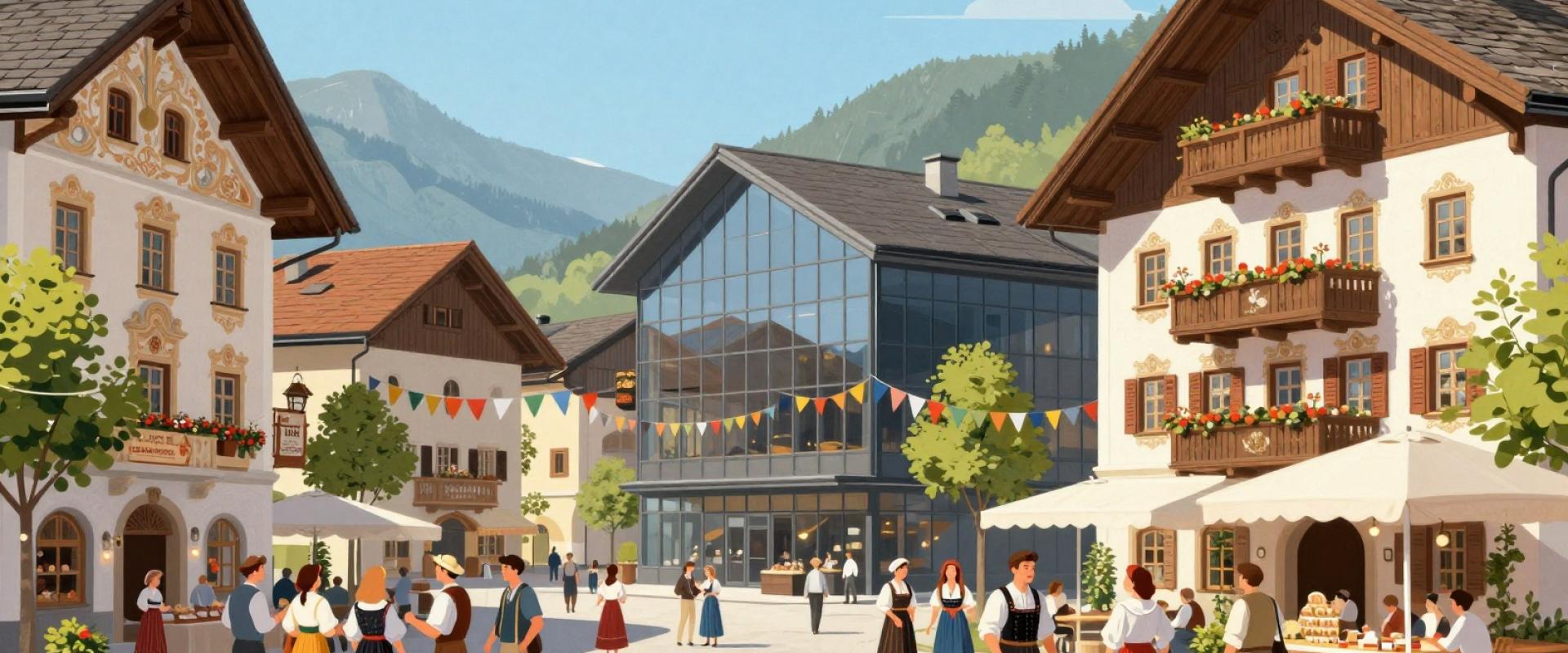
Austrian Festival Calendar
Austria’s cultural calendar balances high art with deep-rooted folk traditions. The Salzburg Festival dominates July and August. This world-renowned event features opera and drama. Performances occur at the Großes Festspielhaus. Tickets often exceed €100 for standard seating. The Vienna Opera Ball occurs in February. Held at the Hofburg Palace, it marks the start of the social season. Formal attire is mandatory for attendees. Almabtrieb celebrates the autumn cattle drive. Villages in Tyrol and Salzburg host these events in September or October. Colorfully decorated cows return from alpine pastures. Local communities gather to witness this ancient tradition. Christmas markets transform city squares from November to December. Vienna’s Rathausplatz market offers mulled wine and crafts. Prices for traditional ornaments range from €5 to €20. These markets create a festive winter atmosphere. Annual schedules shift slightly each year. Travelers must verify exact dates before booking. This ensures alignment with specific performance times. Planning ahead is essential for popular events. The distinction between elite opera and rural festivals defines the season. Both offer unique insights into Austrian heritage. Understanding this duality enhances the travel experience significantly.
Ticketing and Access Protocols
Salzburg Festival tickets sell out months in advance. Secure online reservations via the official Salzburger Festspiele website. Standing room (Stehplätze) offers affordable entry. These tickets cost approximately €10 to €20. They are available only on the event day. Vienna Opera Ball tickets require early application. Prices range from €200 to over €1,000. Formal attire is strictly mandatory for entry. Many local Kirtag fairs remain free. However, popular concerts may require pre-registration. Check municipal websites for specific local requirements. Always verify ticket vendors to avoid scams. Official sources include city tourism offices. Unofficial resellers often inflate prices significantly. Book accommodations near venues early. Salzburg and Vienna hotels fill quickly. Public transport runs extended hours during major festivals. Use the ÖBB app for train schedules. Vienna’s public transit includes night buses. Plan travel times carefully. Rush hour crowds are dense. Arrive at least thirty minutes early. Security checks can cause delays. Bring valid identification for all events. Some venues require passport verification. Keep digital tickets accessible offline. Battery life matters in large crowds. Follow all posted safety guidelines strictly.
Transportation and Logistics
ÖBB train bookings for the Salzburg Festival sell out weeks early. Reserve seats via the ÖBB app or website immediately. Vienna’s U-Bahn runs frequently during summer events like the Film Festival. Trains depart every five to ten minutes. This efficiency reduces travel stress significantly. Salzburg’s historic center is a strict pedestrian zone. Vehicles are prohibited in the core area. Use designated parking garages on the city perimeter. Park-and-ride facilities connect directly to the tram network. Rural festivals, such as Almabtrieb in Tyrol, require private transport. Public transit coverage is sparse in mountain valleys. Rent a car for flexible access to remote villages. Book rentals early due to high seasonal demand. Vienna’s public transport card costs approximately €8.40 for a day pass. This covers all U-Bahn, tram, and bus lines. Salzburg’s single-day ticket is roughly €6.50. These passes offer unlimited rides within city limits. Plan extra time for festival crowds. Peak hours see increased congestion on main arteries. Arrive at venues at least thirty minutes early. This ensures sufficient time for security checks. Rural parking fills quickly at traditional Kirtag events. Arrive before noon to secure a spot. Consider cycling for short distances in Vienna. Bike lanes are extensive and well-maintained. This avoids traffic delays entirely. Check ÖBB schedules for last-mile connections. Rural bus services align with train arrivals. This integration simplifies complex itineraries effectively.
Accommodation Booking Strategies
Book lodging six months ahead for the Salzburg Festival. Hotels in the city center fill rapidly. Consider satellite towns like Hallein or Anif. These locations offer lower rates and shuttle access. Vienna travelers should explore districts beyond the first ring. Favorable prices exist in districts like Favoriten or Simmering. Rural Kirtag events require direct contact with local pensions. Online platforms often lack inventory for these traditional gatherings. Call Pension owners directly to secure rooms. Expect strict cancellation policies during major celebrations. Most bookings require full payment upon reservation. Non-refundable terms are standard for peak season stays. Verify distance to festival venues before confirming. Salzburg’s Festungsbahn connects hotels to the Old Town. Vienna’s U-Bahn network provides reliable transport to event sites. Rural festivals may lack public transit options. Rent a car if staying in Alpine valleys. Budget approximately €150 per night in Salzburg during July. Vienna hotels average €120 per night in summer. Rural guesthouses cost significantly less, around €80 nightly. Always confirm check-in times with the host. Austrian hospitality standards require precise arrival notifications. Secure accommodations early to avoid inflated last-minute prices.
Etiquette and Cultural Norms
Austrian festivals demand strict adherence to social codes. Formal dress is mandatory for opera and classical concerts. Men typically wear suits or dark blazers. Women choose elegant dresses or cocktail attire. Casual wear is unacceptable in these venues. Silence is required during performances. Do not talk or use phones. Applaud only between movements, not during them. Folk festivals (Kirtag) allow relaxed behavior. Greet locals with a firm handshake. Use formal titles like Herr or Frau initially. Tipping (Trinkgeld) is standard practice. Round up bills or add ten percent. Service charges are rarely included in prices. Respect traditional customs at rural events. Remove hats when entering indoor spaces. Do not photograph people without permission. Punctuality is essential for all scheduled events. Arrive ten minutes early for concerts. Latecomers are often seated during breaks. Follow local cues for drinking customs. Toast with eye contact for good luck. These norms ensure respectful participation. They reflect Austria’s deep cultural heritage. Adhering to them enhances your experience significantly.
Planning Checklist and Resources
Verify specific dates for events like the Almabtrieb or Kirtag annually. Schedules shift slightly each year across Austrian regions. Book tickets immediately for major festivals like Salzburg. High demand causes rapid sell-outs for opera and concerts. Use official portals like Austria.info for verified schedules. Check local city websites for regional Kirtag details. Purchase Vienna City Cards for public transport and museum discounts. These cards save approximately 50% on entry fees. Verify weather forecasts before attending outdoor summer events. Rain can cancel open-air concerts at Rathausplatz. Pack layers for unpredictable alpine weather conditions. Bring cash for small Kirtag food stalls. Many rural vendors do not accept credit cards. Download the ÖBB app for last-minute train changes. Flexibility is crucial for rural festival logistics. Confirm shuttle times for remote Almabtrieb locations. Resources include local tourist offices and event apps. Always check cancellation policies before booking accommodation. Prepare for strict dress codes at classical venues. Formal attire remains standard for evening performances. Keep digital copies of all tickets and reservations. Print backup copies for areas with poor signal. Prioritize safety and respect local customs. Enjoy the rich cultural heritage responsibly.