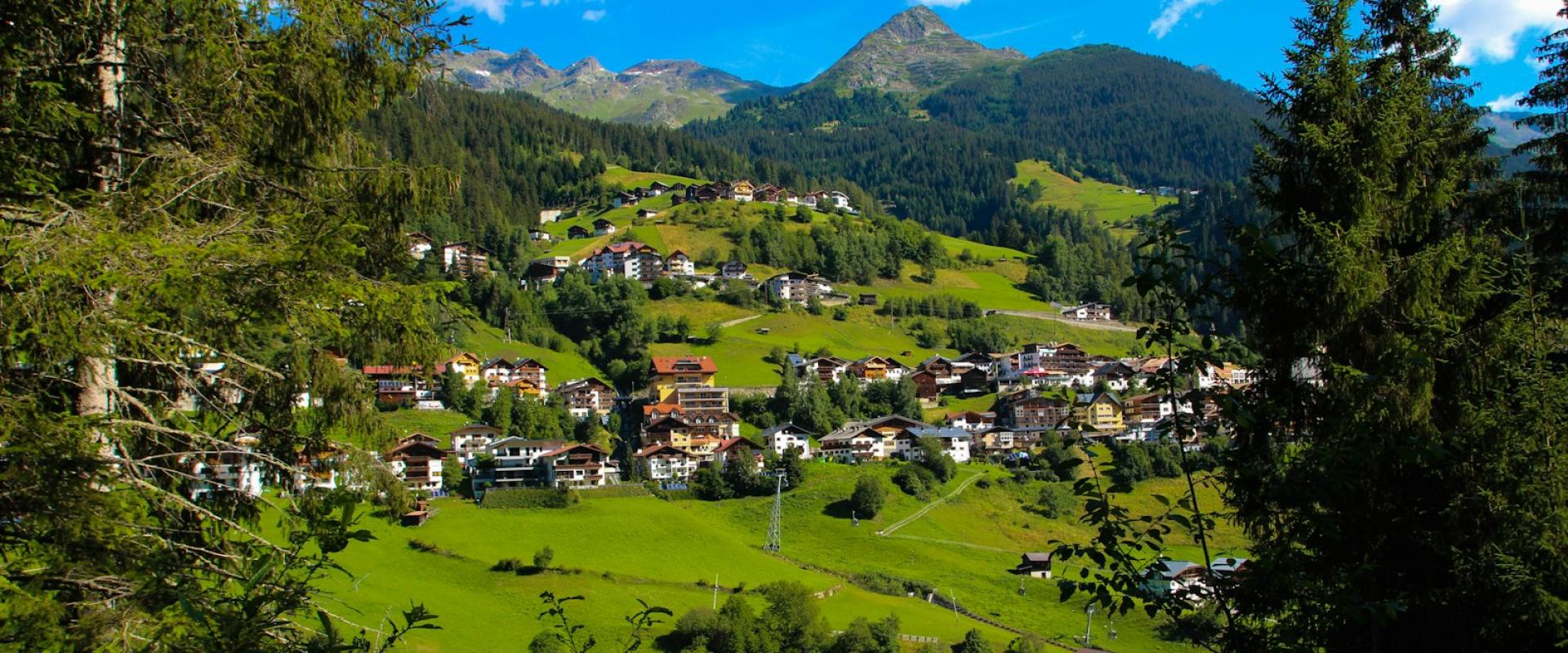
Regional Geography and Context
Steiermark occupies southeastern Austria, bordering Slovenia and Hungary. Graz serves as the state capital and primary transport hub. The city sits at the confluence of the Mur and Krottenbach rivers. This central location facilitates easy access to diverse Alpine landscapes. Graz enjoys a mild Pannonian climate, distinct from northern Austria. Average winter temperatures hover near freezing, while summers reach twenty degrees Celsius. The region benefits from extensive rail networks connecting Vienna and Italy. High-speed trains reduce travel time to Vienna to approximately two and a half hours. Graz Airport offers direct flights to major European hubs. The surrounding hills provide quick access to vineyards and forests. This geographic advantage supports efficient route planning for travelers. Local infrastructure prioritizes public transit, reducing reliance on private vehicles. The mild weather extends the outdoor tourism season significantly. Steiermark’s position makes it an ideal base for exploring southern Austria.
Graz’s Altstadtl is a UNESCO World Heritage pedestrian zone. Vehicles are strictly prohibited here. The area covers 1.5 square kilometers efficiently. The Graz Verkehr (GVG) network ensures high transit efficiency. Trams and buses run frequently throughout the day. A single ticket costs approximately €2.40. Day passes offer better value for tourists. Park-and-Ride facilities surround the historic center. Parking fees are reasonable, around €1.50 per hour. This strategy reduces congestion in the core. Graz features excellent cycling infrastructure for commuters. The terrain is notably flat and gentle. Dedicated bike lanes connect major districts safely. Cyclists can rent bikes from local providers. The Murinsel island serves as a key landmark. Navigation remains intuitive due to clear signage. Public transport integrates seamlessly with walking routes. Visitors should validate tickets before boarding. This prevents fines from strict inspectors. The city prioritizes sustainable urban mobility solutions.
Cultural Landmarks and Architecture
Graz blends historic and modern architecture efficiently. The Kunsthaus Graz stands near the Mur River. Locals call it the "Friendly Alien." This biomorphic structure opened in 2003. It houses contemporary art exhibitions. Admission costs approximately ten euros. The Schlossberg hill dominates the city center. A funicular ride takes two minutes. The Uhrturm clock tower dates to 1588. Views of the Mur Valley are clear. Schloss Eggenberg lies two kilometers west. This Baroque palace sits on a hill. It features extensive gardens and stables. The palace is a UNESCO site. Entry fees apply for guided tours. Sites cluster in the Altstadtl. Walk between landmarks in fifteen minutes. Public transport connects Eggenberg quickly. Buses run every ten minutes. Plan two hours for the Schlossberg. Allocate three hours for Eggenberg. The Kunsthaus requires one hour minimum. Grouping these sites saves travel time. Austria’s cultural heritage is well-preserved here. Graz offers distinct architectural contrasts. Modern designs coexist with medieval structures. This diversity defines the city’s character.
Styrian Culinary and Wine Tourism
The South Styrian Wine Road spans 120 kilometers through rolling hills. Travelers visit Heurige taverns for seasonal wine tastings. These establishments serve local white wines exclusively. Pumpkin seed oil defines regional cuisine. This dark green condiment costs approximately €15 per 250ml bottle. It pairs perfectly with roasted vegetables and salads. Graz offers diverse dining in the Altstadtl. Restaurants here range from €12 to €25 per meal. Rural taverns provide cheaper, authentic meals. A typical lunch costs around €10. Public buses connect Graz to wine villages. The journey takes roughly 45 minutes. Trains also serve nearby wine towns. Visitors should book Heurige tables in advance. Summer months see the highest tourist traffic. October marks the new wine festival. This event draws thousands to local squares. Local producers sell directly at farm stands. Prices remain competitive compared to city centers. The region produces over 10 million liters of wine annually. Most vineyards lie within a 30-kilometer radius of Graz. This proximity allows easy day trips. Cyclists often rent bikes to explore routes. Dedicated bike paths follow many wine roads. Safety regulations require helmets for all riders. Local guides offer structured tasting tours. These tours last approximately two hours. They include transport between three to five wineries.
Seasonal Considerations and Accessibility
Spring and autumn offer mild temperatures for exploring Steiermark’s vineyards. Winter brings reliable snow for skiing in the Schladming-Dachstein region. Peak summer crowds increase traffic in Graz’s Altstadtl. Use the Graz Card for unlimited public transport access. The GVG network operates frequently during all seasons. Urban accessibility is high, with elevators at major U-Bahn stations. Rural trails in the Gesäuse National Park may become muddy. Check weather forecasts before hiking in the Alps. Winter roads require snow chains between November and March. Graz’s tram system remains reliable during heavy snowfall. Accessibility ramps are standard in newer buildings. Older structures in the UNESCO zone may have steps. Plan extra time for transit during holiday periods. Local Heurige taverns often close early in winter. Book ski lifts online to avoid long queues. Public buses in Styria run on fixed schedules year-round.