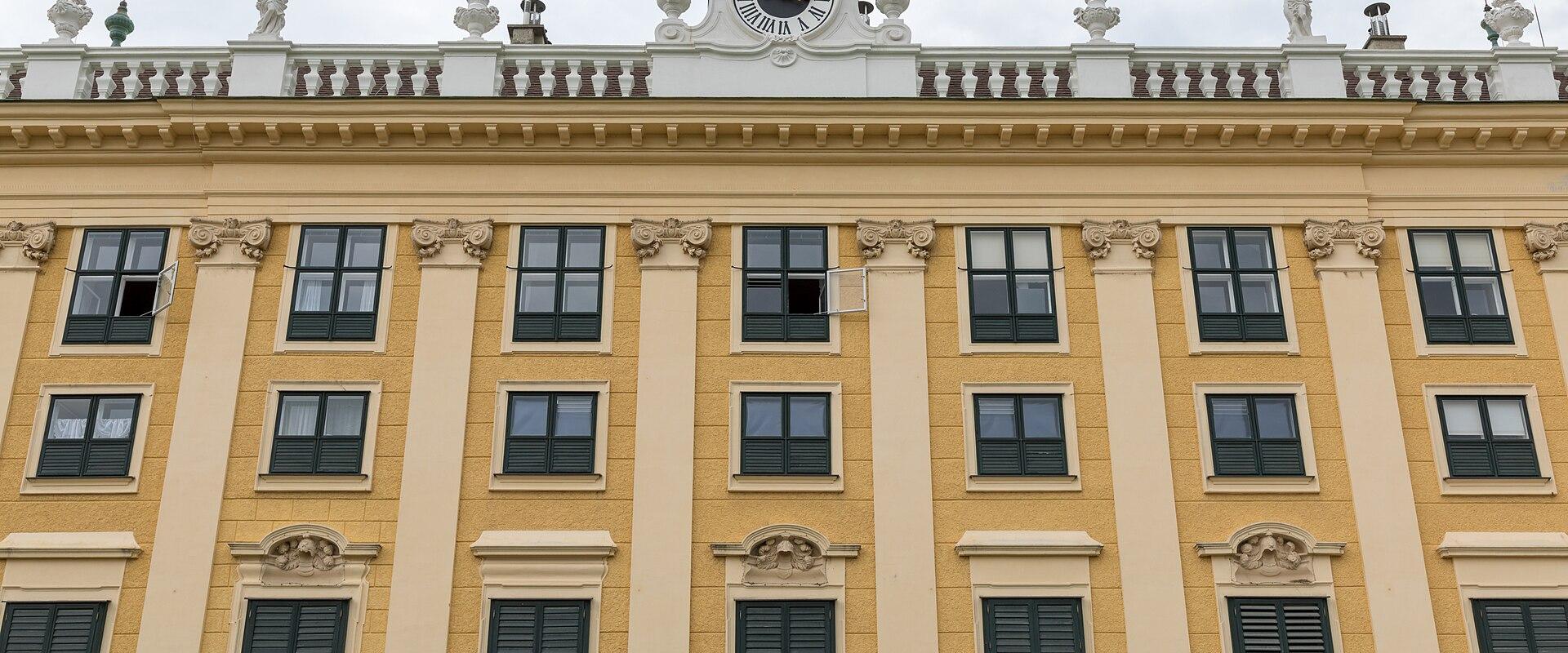
Vienna served as the Habsburg administrative center for centuries. The dynasty ruled vast territories from Italy to Poland. Tourists often confuse three distinct political entities. The Habsburg Monarchy refers to all ruled lands. The Austrian Empire existed from 1804 to 1867. Austria-Hungary formed a dual monarchy in 1867. This structure lasted until 1918. Vienna remained the imperial capital throughout these changes. The Hofburg Palace hosted emperors for generations. Schönbrunn Palace served as the summer residence. Archduke denotes a specific Habsburg princely title. It signifies high royal status within the dynasty. The Imperial Crypt holds 149 royal remains. Burials began in the Capuchin Church in 1633. Architectural styles reflect these shifting political eras. Gothic St. Stephen’s Cathedral predates imperial expansion. Baroque palaces emerged during the empire’s peak. Understanding these terms clarifies Vienna’s historical landscape. The city preserves this complex imperial legacy today.
Core Imperial Landmarks
Vienna’s historic center concentrates major Habsburg sites within a compact area. This layout allows for efficient pedestrian exploration of imperial heritage. The Hofburg Palace served as the primary winter residence and political heart. Emperors governed the vast empire from these Vienna chambers. Adjacent structures house the Sisi Museum and Spanish Riding School. Schönbrunn Palace stands as the grand summer residence. Built in the Baroque style, it features 1,441 rooms. The gardens extend over 160 hectares of landscaped grounds. St. Stephen’s Cathedral anchors the spiritual life of the dynasty. This Gothic structure dates to the 14th century. It hosted the "Viennese double wedding" securing Bohemian and Hungarian crowns. Below the Capuchin Church lies the Imperial Crypt. This underground vault contains 149 Habsburg remains since 1633. These landmarks remain physically close to one another. Visitors can walk between the Hofburg and St. Stephen’s in minutes. Schönbrunn requires a short tram ride from the center. This geographic proximity defines the modern tourist experience. The sites preserve tangible evidence of centuries of rule. They illustrate the dynasty’s immense power and cultural influence. Each location offers distinct insights into imperial administration and lifestyle.
Museum Collections and Artifacts
The Kunsthistorisches Museum houses the world’s premier Habsburg art collection. Archduke Leopold Wilhelm assembled these treasures in the seventeenth century. Visitors view masterpieces by Bruegel and Rembrandt. The Imperial Treasury displays the Holy Roman Empire’s regalia. The Imperial Crown and Orb remain central exhibits. These items symbolize centuries of Habsburg political power. The Sisi Museum focuses on Empress Elisabeth’s personal life. It displays her dresses, jewelry, and personal letters. This collection reveals the private side of imperial rule. The Belvedere Palace holds significant Baroque Habsburg art. Gustav Klimt’s The Kiss resides in this collection. Emperor Franz Joseph I commissioned many of these works. Tickets for these sites cost approximately twenty euros each. Combined tickets offer savings for serious history enthusiasts. Most museums open at nine in the morning. They close between five and six in the evening. The Imperial Crypt beneath the Capuchin Church holds 149 bodies. This site remains a solemn testament to dynastic continuity. Vienna’s museums preserve the tangible legacy of the Habsburgs. They provide essential context for understanding Austrian history.
Walking Routes and Accessibility
Vienna’s Innere Stadt offers flat, paved sidewalks ideal for walking. Most Habsburg landmarks cluster within a two-kilometer radius. The Imperial Crypt at St. Charles Church requires stairs. Visitors with mobility impairments should request wheelchair assistance. The Sisi Museum entrance features a ramp for easy access. Schönbrunn Palace lies three kilometers west of the center. Take the U4 subway line from Karlsplatz to Schönbrunn. The journey takes approximately ten minutes. Ticket prices are five euros for a single ride. The Gloriette at Schönbrunn involves a steep uphill walk. Accessible shuttle buses operate during peak tourist seasons. A logical daily itinerary begins at St. Stephen’s Cathedral. Walk east to the Hofburg Palace complex. Visit the Spanish Riding School in the afternoon. End your tour at the Imperial Crypt. This route covers major dynastic sites efficiently. Public transport connects peripheral estates like Belvedere. The U1 line provides direct access to Belvedere station. Walking between these sites takes roughly twenty minutes. Ensure comfortable footwear for cobblestone streets in the old town. Audio guides are available at all major imperial sites.
Ticketing and Visitor Logistics
Advance online booking is mandatory for Schönbrunn Palace. Walk-up tickets are rarely available during peak season. Book tickets six weeks ahead to secure entry. The Vienna City Card offers free public transport. It also provides discounts at major Habsburg sites. However, it does not grant free entry to palaces. Use the card for tram rides to Hofburg. Allocate two hours for the Imperial Crypt. This site holds 149 Habsburg remains in the Capuchin Church. Visit early morning to avoid large tour groups. The Spanish Riding School requires separate, expensive reservations. Tickets often sell out months in advance. Avoid midday crowds at the Sisi Museum. The museum is located within the Hofburg complex. Combine your visit with the Imperial Apartments. Use the Vienna Pass for bundled savings. This pass includes skip-the-line access to key sites. Verify opening hours before traveling, as they change seasonally. Most sites close by 5:30 PM. Plan your itinerary to maximize daylight viewing hours.