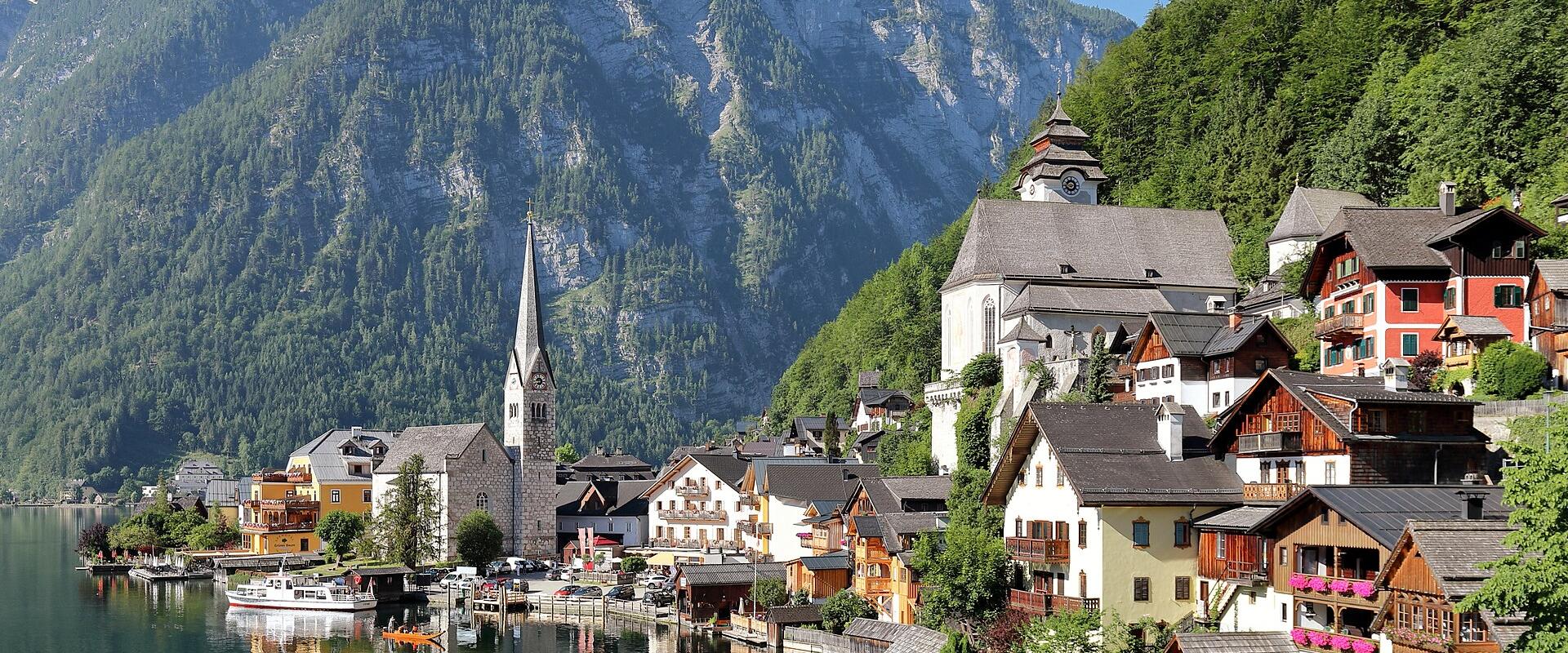
Geographic Context and Regional Overview
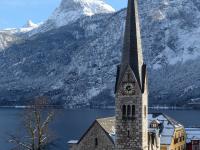
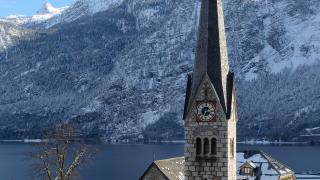
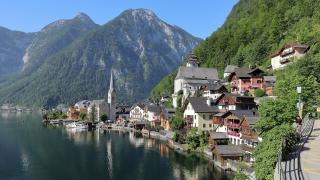
Salzkammergut is a distinct lake district in Upper Austria. It spans approximately 1,400 square kilometers across the Alps. The region contains over 70 lakes and numerous fjords. Hallstatt sits on a narrow strip of land. It rests between the Dachstein Mountains and Lake Hallstatt. This location creates severe topographical constraints for development. The village is geographically isolated from major road networks. No direct highway connects Hallstatt to the national grid. Travelers must use multi-modal transit to reach the site. The primary route involves driving to Attnang-Puchheim station. From there, a train ride takes roughly two hours. Passengers then transfer to a local bus service. The final leg requires a short boat crossing. This complex logistics chain limits direct vehicle access. Salzkammergut functions as a network of municipalities. It is not a single administrative entity. Each town manages its own local infrastructure. Hallstatt has a population of approximately 800 residents. The area experiences high seasonal tourist influx. This density strains the limited local resources. Visitors must plan transit carefully to avoid delays. The region’s geography dictates strict movement protocols. Understanding this structure is essential for efficient travel. The isolation preserves the landscape but complicates access. Logistics require patience and precise scheduling. The Austrian rail system supports this regional connectivity. However, last-minute changes can disrupt itineraries significantly.
Transit Logistics and Access Routes
Most travelers reach Hallstatt via the Attnang-Puchheim railway junction. This central hub connects Vienna, Salzburg, and Munich. ÖBB Railjet trains stop here frequently. From Attnang-Puchheim, take a regional train to Hallstatt-Lauterach station. The journey takes approximately two hours. Trains run hourly throughout the day. The Hallstatt-Lauterach station sits on the lake shore. It does not connect directly to the village. Visitors must transfer to a mandatory ferry. The Hallstättersee ferry crosses the lake to Hallstatt. The crossing takes only five minutes. Ferries depart every thirty minutes. Schedules align with major train arrivals. Private vehicles cannot drive to Hallstatt. Roads are closed to through traffic. You must park in Lauterach or Obertraun. Lauterach offers a large parking facility near the station. Daily fees are approximately €12.00. Spaces fill quickly during peak summer months. Obertraun provides an alternative lot near the cable car. This option is slightly cheaper. It costs around €9.50 per day. Both lots require cash or card payment. Shuttle buses connect these lots to the ferry. The ride takes ten minutes. Plan extra time for parking searches. Public transport integration is seamless. Tickets cover trains, ferries, and shuttles. The Salzkammergut Ticket offers unlimited travel. It costs €29.00 for one day. This pass covers all regional transport. It simplifies logistics significantly. Avoid driving during weekends. Traffic congestion is severe. Use the rail network instead. It is efficient and reliable. Hallstatt remains accessible without a car. The ferry adds a scenic element. It provides stunning lake views. This route preserves the village's integrity. It reduces noise and pollution. Logistics are straightforward for visitors. Clear signage guides travelers at each step.
Hallstatt experiences severe overcrowding from May through October. July and August represent the absolute peak months. Cruise ships deposit thousands of day-trippers daily. This volume overwhelms the narrow village streets. To avoid crowds, arrive before 9 AM. Most tour buses do not arrive until mid-morning. Alternatively, visit after 4 PM. Many day-trippers depart by late afternoon. The village becomes significantly quieter during these windows. Advance booking is mandatory for the Salt Mine. Timed-entry tickets sell out weeks in advance. You cannot purchase tickets at the gate. This restriction applies strictly to the historic mine tours. Pedestrian-only zones restrict vehicle access in the center. This policy reduces local traffic but increases foot traffic density. Ferry terminals face heavy congestion during peak hours. The lake crossing connects the village to the parking areas. Wait times can exceed thirty minutes in August. Plan your ferry crossing during off-peak times. Consider staying overnight to bypass day-triper crowds. Local hotels fill quickly during the high season. Book accommodations at least two months ahead. The Salzkammergut region offers alternative lakeside towns. Consider visiting Bad Ischl or Gmunden instead. These locations share the region’s beauty with fewer visitors. Public transport connects these towns efficiently. Use the ÖBB schedule for reliable transit. Avoid driving into Hallstatt during July weekends. Parking is extremely limited and expensive. Use the designated park-and-ride facilities outside the village. This strategy saves time and reduces stress. Proper planning ensures a manageable experience in this UNESCO site.
Salzkammergut Lake District Itineraries
Adopt a hub-and-spoke model for efficient regional exploration. Base yourself in Bad Ischl or Gmunden. These towns offer superior accommodation and dining options. Avoid staying in Hallstatt during peak season. The village lacks sufficient hotel capacity for large groups. Use the Salzkammergutbad boat service as your primary transport. This network connects major lakeside towns seamlessly. Ferries run frequently between May and October. Schedules align with train arrivals at key junctions. Plan a structured three-day itinerary to maximize coverage. Day one focuses on Hallstatt’s historic salt mines. Take the early morning ferry to avoid crowds. Day two explores Bad Ischl’s imperial heritage. Visit the Kaiser-Franz-Josef-Spa and the Emperor’s Villa. Day three covers Gmunden’s ceramic museums and lakeside promenades. Purchase the Salzkammergut Card for unlimited travel. This pass covers all regional buses and trains. It also includes discounts for over 100 attractions. The card costs approximately 29 euros for three days. This fee pays for itself with single museum entries. Book boat tickets in advance during summer months. Online reservations guarantee seating on popular routes. The card is valid for both locals and tourists. It simplifies logistics by removing individual ticket purchases. Integrate ferry times with your daily schedule. Most boats depart every hour from main docks. Plan meals near ferry terminals for convenience. This strategy reduces transit stress significantly. You can explore multiple towns without driving. Parking in Hallstatt is extremely limited and expensive. The card eliminates the need for a rental car. Focus on cultural sites rather than traffic navigation. This approach provides a comprehensive regional experience.
Accommodation and Booking Strategies
Hallstatt offers extremely limited lodging inventory. You must book accommodations three to six months in advance. Hotels fill rapidly during peak summer months. Prices often exceed €150 per night for standard rooms. This high cost reflects the village’s unique geographic constraints. Consider alternative bases in nearby towns for better value. Obertraun lies just two kilometers from Hallstatt’s main square. It offers more hotel choices and lower rates. Bad Ischl provides imperial history and ample parking. Gmunden serves as a convenient transit hub on Traunsee. Both towns connect to Hallstatt via regular bus services. Proximity to transit points remains a critical selection criterion. Staying near a bus stop saves significant walking time. Many local hotels offer packages including transit passes. These bundles often include free use of regional buses. Some packages also feature guided lake tours. Booking directly with Austrian hotels may yield better rates. Online platforms sometimes charge additional service fees. Verify cancellation policies carefully before confirming reservations. Austrian hotels typically require a credit card guarantee. Check-in times usually start at 3:00 PM. Late arrivals require prior notification to the front desk. Breakfast is often included in the nightly rate. This saves money on morning meals in expensive villages. Plan your stay duration based on transit availability. Early morning buses depart before 7:00 AM. Last evening returns occur around 8:00 PM. Align your accommodation schedule with these transit windows. This ensures efficient access to Hallstatt’s attractions without stress.