
Vienna Accommodation Landscape
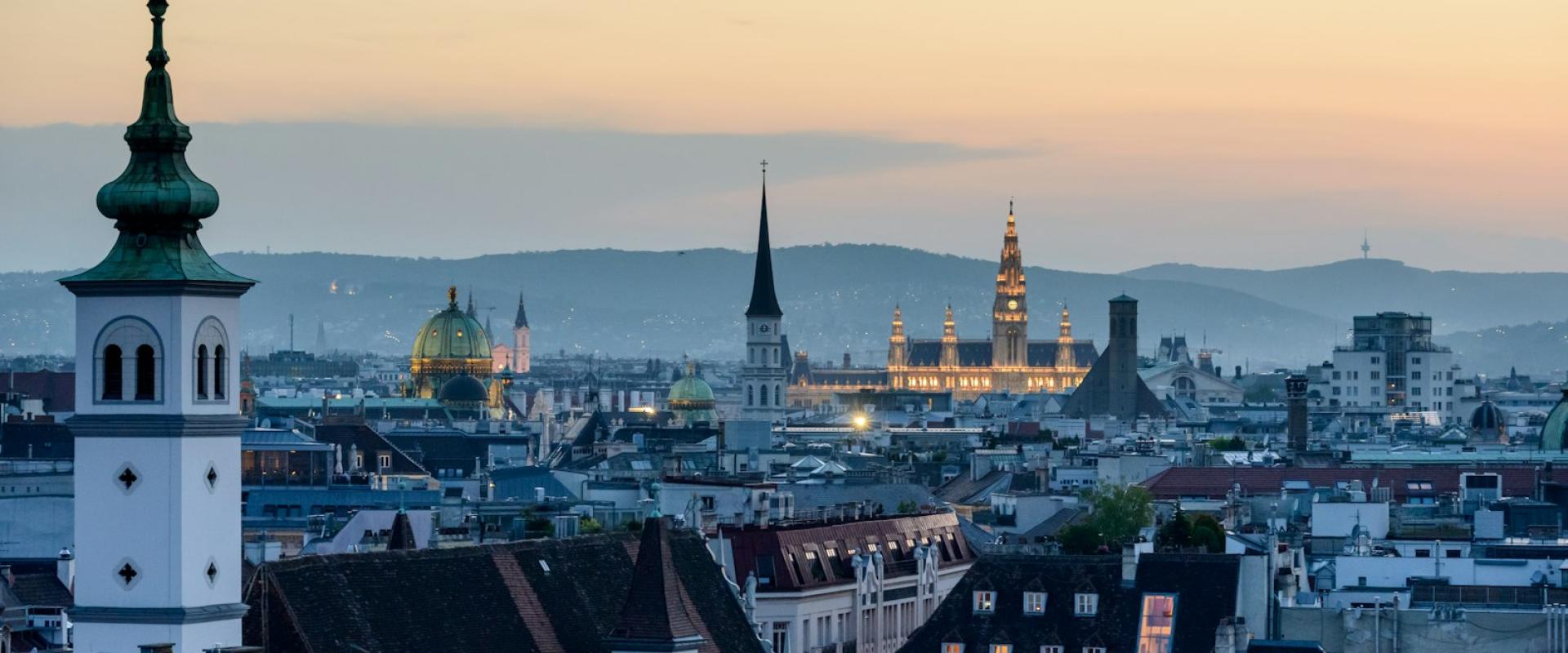
Vienna’s hotel market spans imperial luxury to efficient hostels. The city’s status as a cultural capital dictates location premiums. Properties cluster near the Ringstraße and historic districts. These areas command higher rates due to proximity to museums. Mid-range hotels typically cost €90 to €300 per night. Budget travelers find hostels for €25 to €45 nightly. Luxury suites exceed €350, offering five-star service. Vienna remains cheaper than London or Paris. However, costs are 10–20% above the Austrian average. Shoulder seasons offer significant savings of up to 40%. Travelers should book early for peak summer months. Architectural eras segment the market distinctly. Habsburg-era palaces provide grand, historic accommodations. Modern designs appear in newer districts like Seestadt. Public transport passes cost €17.10 weekly. This connects all lodging types efficiently. Value is high relative to service quality. Guests receive excellent breakfasts and central locations. Prices fluctuate based on event calendars. Concerts and exhibitions drive temporary rate spikes. Budget tools help track these daily expenses. Splitting costs among groups reduces individual burden. The average nightly rate sits around €110. This reflects the city’s balanced tourism strategy. Accommodation options suit diverse financial plans effectively.
District Location Analysis
Innere Stadt commands premium rates for central access. Hotels here cost €200+ nightly. Proximity to major sights justifies the expense. Leopoldstadt offers better value near the Danube. Rates average €110 per night. Landstraße provides affordable options near the stadium. Budget travelers find hostels for €60 nightly. Mariahilf balances cost with Westbahnhof connectivity. Trains depart frequently to international destinations. This district suits transit-focused itineraries. Neubau and Josefstadt deliver authentic local atmosphere. Prices remain moderate at €90 nightly. These areas lack tourist crowds. Public transport passes cost €17.10 weekly. This fee covers all district travel. Shoulder seasons reduce accommodation costs by 20%. April and September offer optimal pricing. Luxury suites exceed €350 in central zones. Mid-range hotels cluster around Ringstraße. Budget properties concentrate in outer districts. Logistics favor Westbahnhof for long-distance travel. Innere Stadt suits short, intensive visits. Leopoldstadt works for relaxed, scenic stays. Landstraße benefits sports event attendees. Mariahilf appeals to shoppers and commuters. Neubau attracts travelers seeking local culture. Josefstadt offers quiet, residential experiences. All districts connect via efficient U-Bahn. Vienna’s transport network ensures easy access. Location choice directly impacts daily budget. Central hotels save time but cost more. Outer districts require more transit time. Travelers must weigh convenience against price. Vienna’s district diversity supports varied budgets.
Cost Structures and Budgeting
Vienna’s accommodation costs exceed the Austrian national average by 10–20%. Mid-range hotels typically charge between €90 and €300 per night. Budget options start around €60 for basic private rooms. Luxury suites often surpass €350 nightly in central districts. Travelers should expect a 5% city tax. This fee is usually excluded from base rates. It applies to all overnight stays regardless of hotel class. Breakfast inclusion varies significantly across different property types. Many mid-range hotels exclude meals from standard room rates. Guests must budget separately for daily dining expenses. Shoulder seasons offer substantial savings for cost-conscious visitors. Booking during April–May or September–October reduces prices by 20–40%. These periods avoid the high summer tourist peaks. Public transport passes cost €17.10 weekly for efficient travel. This reduces reliance on expensive taxis or private transfers. AI tools can help track daily expenses accurately. Splitting costs among groups lowers individual financial burdens. Always verify if breakfast is included before booking. Hidden fees rarely appear, but city tax is standard. Planning ahead ensures better rates during peak demand. Vienna remains affordable compared to Paris or Zurich. Strategic timing and location choices optimize your budget effectively.
Booking Protocols and Accessibility
Vienna hotels require credit card guarantees for reservations. This secures your room against no-shows. Expect strict identity verification upon arrival. You must present a valid passport or ID card. The credit card used for booking is often swiped. This covers potential incidentals or damages. Many properties are housed in historic buildings. These structures often lack modern elevators. Guests with mobility issues should request ground-floor rooms. Availability is extremely limited in these cases. Always confirm elevator access before booking. Accessibility features vary significantly by property age. Newer constructions generally offer full compliance. Older imperial palaces may have step entrances. Check specific room descriptions for barrier-free access. Vienna’s strict data privacy laws apply. Your personal information is protected under EU regulations. Cancellation policies are typically rigid. Free cancellation usually ends 48 hours before arrival. Late cancellations incur full nightly charges. Always read the fine print carefully. Budget travelers should verify extra person fees. These can increase total costs significantly. Confirm breakfast inclusion during the booking process. It is rarely included in the base rate. Pay attention to city tax disclosures. This fee is added at checkout. It supports local infrastructure maintenance. Plan your arrival time carefully. Late check-ins may require prior notification. Reception desks often close by midnight. Arrange key collection in advance if needed. This prevents entry delays at night.
Neighborhood Safety and Logistics
Vienna maintains exceptionally low violent crime rates globally. Hotels in Austria benefit from this stable environment. Petty theft remains the primary risk for guests. Pickpockets target crowded hubs like Stephansplatz. Stay vigilant in busy transit zones. Night-time public transport operates reliably until 5:30 AM. The Vienna U-Bahn and tram networks run frequently. A weekly pass costs €17.10 for unlimited travel. Police presence is efficient and clearly visible. Uniformed officers patrol major tourist districts regularly. Signage is multilingual, aiding international travelers. Emergency numbers are accessible from all phones. Call 133 for police assistance locally. Hotels near the Ringstraße offer secure perimeters. Many properties feature 24-hour front desk services. Staff monitor entrances for unauthorized access. Logistics are streamlined for easy navigation. Trams connect hotels to outer districts quickly. Walking distances to major attractions are short. Most central hotels lie within a 10-minute walk of key sites. This proximity reduces reliance on taxis. Vienna’s infrastructure supports safe, efficient movement. Guests can explore confidently at any hour.