
Rail Network Overview
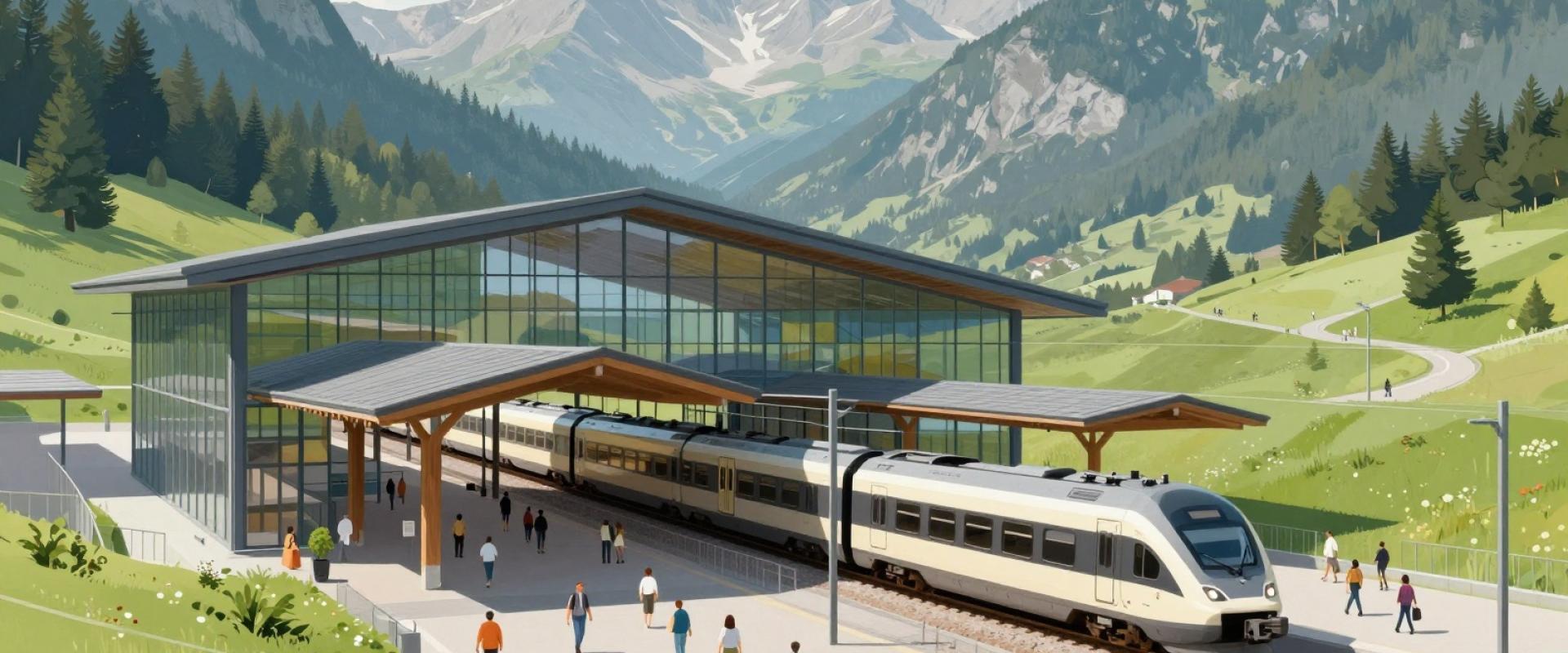
ÖBB operates Austria’s primary intercity rail network. It connects major cities like Vienna, Salzburg, and Innsbruck efficiently. Travelers choose between Railjet and Cityjet services. Railjet trains offer high-speed connections across the country. They reach speeds up to 230 km/h. Cityjet services provide regional intercity links. These trains are slightly slower but reliable. Both services offer First and Second Class options. Second Class is standard for most travelers. First Class provides extra space and quiet zones. Amenities include onboard restaurants and Wi-Fi. Tickets can be booked via the ÖBB app. Prices vary by distance and booking time. A Vienna to Salzburg ticket costs around €20. The journey takes approximately 2.5 hours. Regional trains integrate seamlessly with intercity lines. You can transfer easily at major hubs. This system covers rural areas effectively. Schedules are frequent and punctual. Check the ÖBB website for real-time updates. Delays are rare but possible during snow. Always validate tickets if required by class. The network is the best way to explore Austria.
Ticketing and Fares
ÖBB offers two primary fare types for intercity travel. Sparpreis tickets are non-refundable but significantly cheaper. These discounted fares are limited in quantity. Flexpreis tickets allow travel on any train that day. They cost more but offer full flexibility. Seat reservations are optional but highly recommended. A reservation fee of approximately €4 applies. This guarantees a specific seat during peak times. Digital tickets are the standard for modern travel. The ÖBB app handles all purchases and validation. You can buy tickets directly via the mobile platform. The Austria Ticket covers all regional and local trains. It does not cover Railjet or Cityjet services. These premium intercity trains require separate reservations. The pass is valid for unlimited travel on slower trains. It is ideal for budget-conscious travelers avoiding express lines. Always check your ticket type before boarding. Fines for traveling without a valid ticket are steep. Ensure your Sparpreis matches your specific train number. Flexpass holders enjoy greater freedom but pay a premium. Plan ahead to secure the lowest Sparpreis rates. Prices increase as the departure date approaches. Digital validation prevents issues with paper ticket scanners.
Bus and Air Alternatives
FlixBus provides extensive coverage across Austria. It connects smaller towns lacking rail links. Fares often start under ten euros. However, bus travel is significantly slower. A Vienna to Salzburg trip takes four hours by bus. The same route requires only two and a half hours by train. Domestic flights are rarely cost-effective. The Vienna to Innsbruck flight lasts one hour. Ground transport adds two hours to this total. Rail remains faster for this specific corridor. Air travel is only viable for long distances. Consider flying to Vienna from outside Europe. For remote Alpine villages, combine rail and bus. Take a train to the nearest hub. Transfer to a local bus for the final leg. This method ensures access to isolated regions. Always check ÖBB schedules for seamless connections. Bus tickets are cheaper but less flexible. Book FlixBus tickets in advance for best rates. Avoid peak holiday seasons for lower prices. Rail passes do not cover all bus routes. Verify specific operator rules before booking. This strategy optimizes both time and budget effectively.
Major hubs like Wien Hauptbahnhof and Salzburg Hbf feature clear signage. These stations handle high passenger volumes daily. Transfer times between platforms typically require ten minutes. Allow fifteen minutes for cross-platform changes at Innsbruck Hbf. Use the ÖBB app for real-time platform updates. Digital displays show accurate departure information instantly. Assistance services are available for passengers with reduced mobility. Request help at the station service desk or via the app. Staff provide wheelchair access and escort services. Elevators connect all levels in modern stations. Avoid peak hours between 7:00 and 9:00 AM. Crowds increase significantly during these times. Platform changes may involve walking long distances. Follow the yellow directional arrows carefully. They guide travelers to connecting trains. Keep tickets accessible for random inspections. Conductors check tickets frequently on platforms. Have your digital or paper ticket ready. This speeds up the boarding process. Stay aware of your surroundings. Secure your luggage during transfers. Use lockers if you have extra time. They are located near main entrances. Prices vary by locker size. Small lockers cost approximately two euros. This ensures your belongings remain safe. Plan your route before arriving. Check for any scheduled maintenance. Track disruptions via the ÖBB app. This prevents unexpected delays during your journey.
Practical Travel Advice
Always validate Sparpreis tickets before boarding. Use yellow machines at stations. Failure results in heavy fines. Carry valid photo ID. Inspectors check tickets randomly. Trains often lack space for large suitcases. Store bags in overhead racks only. Keep carry-ons under fifteen kilograms. Bicycles require separate reservations. Book bike tickets online early. They sell out quickly in summer. A standard bike ticket costs five euros. Folding bikes travel free if packed. Delays happen during heavy snowfall. Check ÖBB app for real-time updates. Service disruptions affect Alpine routes frequently. Refunds apply for significant delays. Wait times exceed thirty minutes. Contact station staff for assistance. They provide alternative transport options. Keep receipts for all purchases. Claim compensation within one year. Travel insurance covers unexpected cancellations. Always verify platform changes. Digital displays update instantly. Physical boards may lag. Arrive ten minutes early. This allows time for security checks. Intercity trains do not stop at every station. Confirm your specific stop. Missing a stop costs extra. Plan connections carefully. Transfer times vary by city. Wien Hauptbahnhof requires fifteen minutes minimum. Smaller stations need only five. Stay hydrated on long journeys. Vending machines offer water and snacks. Prices are slightly higher than supermarkets. Bring your own snacks to save money. Luggage carts are available at major hubs. They cost one euro per use. Return the cart to designated areas. Failure incurs a small fee. Respect quiet zones on trains. Loud conversations disturb other passengers. Keep phone calls brief. Use headphones for audio. Austria values punctuality and order. Follow all posted regulations. This ensures a smooth journey for everyone.