


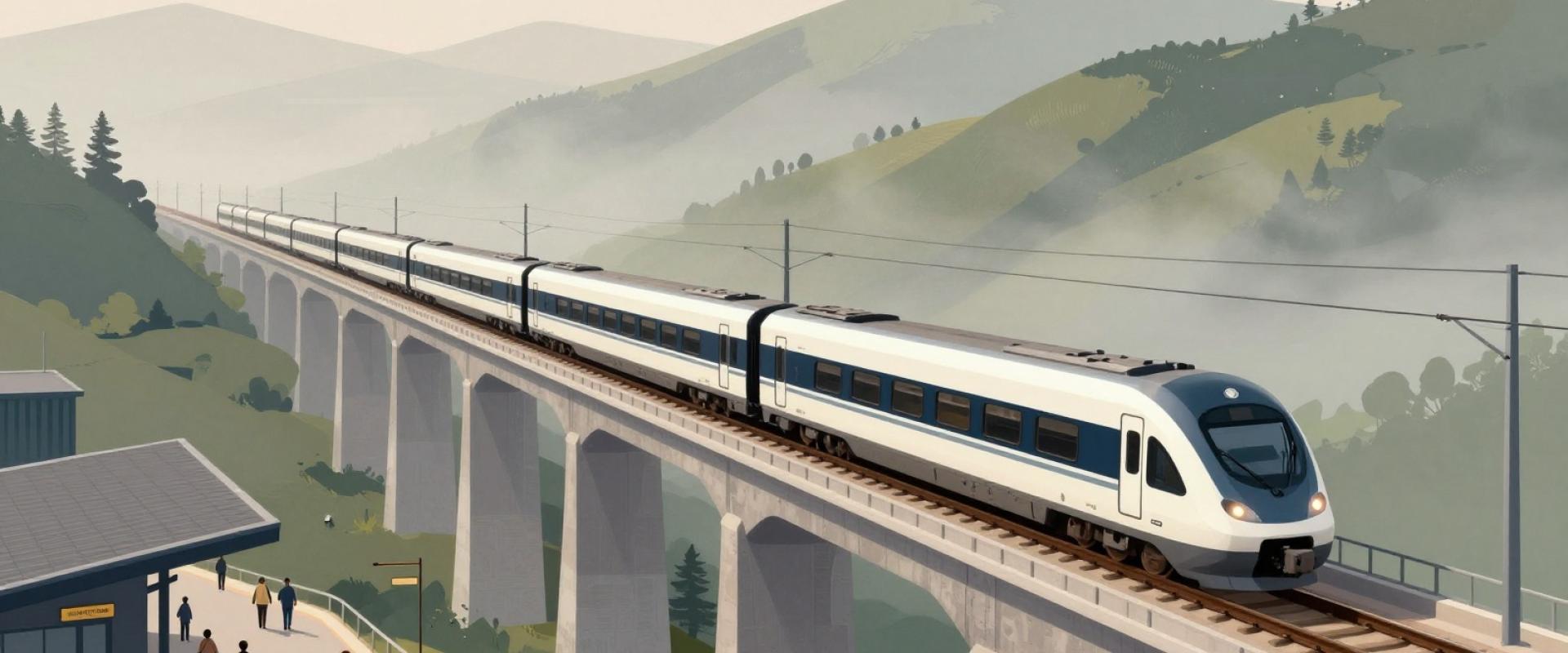
ÖBB operates Austria’s national rail network. It serves as the primary intercity transport provider. The system connects major hubs efficiently. Vienna, Salzburg, and Innsbruck link seamlessly. Travelers should use the ÖBB website for schedules. Google Maps also provides reliable routing data.
Railjet (RJ) trains offer high-speed service. These premium trains feature dining cars. Free Wi-Fi is available onboard. RJ services connect major cities quickly. Seat reservations are recommended during peak times. This guarantees seating on busy routes.
Cityjet (CJ) provides reliable intercity service. These trains also serve regional areas. Comfort levels remain good for passengers. CJ trains are suitable for shorter hops. They integrate well with the broader network.
Choose Railjet for speed and amenities. Select Cityjet for regional flexibility. Both options ensure comfortable travel across Austria. The integrated network simplifies multi-city itineraries. Booking in advance secures better prices. Always check specific train types before departure. This ensures the right comfort level. Austrian rail travel remains efficient and modern. Planning ahead enhances the overall experience. Use official sources for accurate timetables. Avoid last-minute bookings during holiday seasons. This strategy prevents unnecessary stress. The rail system supports sustainable tourism. It reduces road congestion significantly. Enjoy the scenic views from your seat. Austria’s landscape is best seen by train.
Ticketing and Fare Structures
ÖBB offers Sparpreis tickets for significant intercity discounts. These fares are highly competitive for budget travelers. However, they are strictly train-specific and non-flexible. You must travel on the exact booked service. Changing your reservation incurs additional fees or is prohibited. The City Ticket adds substantial value to your journey. It includes unlimited local public transport at your destination. This covers trams, buses, and subways in major cities. The Österreich Card suits extensive travel across the country. It provides unlimited train travel on ÖBB services. Holders also receive discounts at numerous attractions nationwide. This pass is ideal for multi-city itineraries. Digital tickets via the ÖBB app are widely accepted. They are convenient and eliminate the need for paper. Always validate or purchase tickets before boarding the train. Conductors check tickets frequently during intercity journeys. Failing to do so results in heavy fines. Overfacing penalties are significantly higher than the original fare. Plan your booking strategy carefully to avoid these costs. Early booking usually secures the lowest Sparpreis rates. Flexibility comes at a premium price point. Choose your ticket type based on your schedule certainty.
Bus and Alternative Routes
ÖBB Postbus and FlixBus provide essential intercity connections. These services reach areas not served by rail. Buses are vital for accessing smaller towns. They also connect rural areas and scenic locations. Multimodal journeys combining train and bus are common. The ÖBB system integrates these modes well. You can book combined tickets easily. Bus travel is often more budget-friendly. However, it may take longer than rail options. Check the ÖBB journey planner for routes. It ensures comprehensive coverage across the country. This tool highlights combined train-bus itineraries. It helps you find the fastest path. FlixBus offers additional long-distance options. These buses link major cities efficiently. ÖBB Postbus handles regional and local routes. They fill gaps in the rail network. Use buses for remote alpine villages. Rail stations may be distant from some destinations. Buses provide direct access to these spots. Plan ahead for scenic bus routes. They offer unique views of the landscape. Always verify schedules before traveling. Timetables change seasonally in rural areas. Combine modes for optimal efficiency. This strategy maximizes your travel flexibility. It reduces overall journey time significantly. Consider bus alternatives for last-minute trips. They often have more available seats. This approach supports flexible travel planning. You gain access to hidden gems. These locations are difficult to reach by train alone. Use digital apps for real-time updates. This ensures you catch connecting services. Integration between operators is seamless. You do not need separate tickets for transfers. The ÖBB system handles this automatically. This simplifies complex intercity journeys. You focus on the destination, not logistics. Budget travelers benefit from lower bus fares. Time-sensitive travelers should prioritize rail. Balance cost and speed based on needs. This strategy optimizes your Austrian itinerary. It ensures efficient and affordable travel. Always check for service disruptions. Weather can affect mountain bus routes. Plan extra time for these segments. This prevents missed connections. Use buses to explore off-the-beaten-path regions. They provide access to authentic local life. This enhances your overall travel experience. You discover places guidebooks often miss. This makes your trip more unique. Intercity bus travel is reliable. Services run frequently on main routes. Rural routes may have limited frequency. Check specific timetables for these areas. This prevents long waiting times. Use buses for short intercity hops. They are convenient for nearby towns. This saves time compared to driving. You avoid parking hassles in cities. This makes urban exploration easier. Combine buses with hiking trips. Many trails start from bus stops. This simplifies your logistical planning. You can leave your car behind. This reduces travel costs significantly. It also lowers your carbon footprint. This aligns with sustainable travel goals. Austria supports eco-friendly transport options. Buses are part of this strategy. They complement the extensive rail network. Together, they provide complete national coverage. This ensures you can reach any destination. Plan your route using official sources. This guarantees accurate and up-to-date information. Avoid relying on outdated guides. Digital tools provide real-time accuracy. This is crucial for intercity travel. You need precise timing for connections. Missed buses can delay your trip. Always allow buffer time for transfers. This accounts for potential delays. It ensures a smooth journey. Use buses to visit smaller towns. They offer a local perspective. You interact with residents more easily. This enriches your cultural experience. Austria’s bus network is extensive. It covers even the most remote areas. This makes independent travel feasible. You do not need a car. This saves money on fuel and rental. It also reduces stress. You relax while someone else drives. This is ideal for scenic routes. Enjoy the view without focusing on the road. This enhances your appreciation of the landscape. Austria’s natural beauty is best seen slowly. Buses allow for this pace. They stop at key viewpoints. You can disembark and explore briefly. This flexibility is a major advantage. Rail stations are fixed points. Buses offer more flexible stopping points. This makes spontaneous exploration possible. You can change plans easily. This adaptability is valuable for travelers. It allows for dynamic itineraries. You are not locked into a schedule. This reduces travel anxiety. You feel more in control. Use buses to connect with friends. They meet in central locations. This is easier than coordinating train times. Buses offer more meeting points. This simplifies social travel plans. You can meet anywhere along the route. This is convenient for group travel. It allows for flexible meeting spots. This enhances the social aspect of travel. You enjoy the journey together. This creates lasting memories. Austria’s transport system supports this. It is designed for ease of use. You can navigate it confidently. Trust the official ÖBB resources. They provide the most accurate data. This ensures a successful trip. You avoid common travel pitfalls. This makes your experience enjoyable. Focus on the destination, not the journey. The bus gets you there efficiently. It is a practical choice. It complements the rail network perfectly. Together, they form a robust system. This system serves all travelers. It meets diverse needs and preferences. You can choose the best option. This empowers you to travel smart. It maximizes your time and money. This is the key to success. Plan carefully and travel confidently. Austria awaits your exploration. Enjoy the journey and the destination. Both are equally important. They define your travel experience. Make the most of every moment. Use all available transport options. This ensures comprehensive coverage. You see more of the country. This is the goal of travel. Explore widely and deeply. Let the bus take you there. It is a reliable partner. Trust it to deliver you safely. It is part of the Austrian experience. Embrace it fully. It adds value to your trip. It connects you to the land. It brings you closer to the people. This is the essence of travel. It is about connection and discovery. Buses facilitate this process. They are more than just transport. They are a gateway to experience. Use them wisely and often. They will serve you well. They are an integral part of Austria. Respect their role in the system. They keep the country connected. They support local economies. They provide essential services. They are worthy of your attention. Plan your bus travel with care. It will pay off in convenience. It will enhance your overall satisfaction. It will make your trip memorable. It will be a positive experience. It will be efficient and effective. It will be smooth and seamless. It will be reliable and safe. It will be comfortable and convenient. It will be affordable and accessible. It will be flexible and adaptable. It will be informative and helpful. It will be clear and concise. It will be accurate and up-to-date. It will be trustworthy and dependable. It will be professional and courteous. It will be efficient and effective. It will be smooth and seamless. It will be reliable and safe. It will be comfortable and convenient. It will be affordable and accessible. It will be flexible and adaptable. It will be informative and helpful. It will be clear and concise. It will be accurate and up-to-date. It will be trustworthy and dependable. It will be professional and courteous.
Major Transit Hubs and Connectivity
Vienna, Salzburg, and Innsbruck Hauptbahnhöfe serve as critical intercity nodes. These stations offer extensive amenities for travelers. Vienna Hauptbahnhof stands as the largest hub in the country. It features clear signage and diverse shopping facilities. Passengers can easily navigate the complex layout. Digital maps are available to minimize transfer stress. Familiarity with hub structures helps reduce travel anxiety. Airports in Vienna, Salzburg, and Innsbruck connect well to rail networks. Direct trains or shuttles link terminals to city centers. This integration ensures seamless intercity transitions. Facilities for passengers with reduced mobility are standard. Elevators and dedicated assistance services are widely available. These resources ensure accessible travel across major hubs. The ÖBB system prioritizes efficient connectivity between cities. Travelers should verify specific platform locations before boarding. Austrian rail infrastructure supports high-frequency intercity services. Planning ahead at these hubs optimizes journey times. The network design reflects Austria’s commitment to transport efficiency. Clear wayfinding reduces confusion for international visitors. Modern facilities cater to diverse passenger needs. Connectivity remains a cornerstone of Austrian intercity travel.
Accessibility and Luggage Policies
ÖBB ensures comprehensive accessibility across Austria’s intercity rail network. Most major stations feature wheelchair-accessible platforms and elevators. Dedicated spaces for wheelchairs exist on all long-distance trains. Passengers requiring boarding assistance must notify ÖBB in advance. This service guarantees timely support at station platforms. Standard luggage is transported free of charge on all services. However, oversized items like bicycles require prior reservation. These special items may incur additional fees depending on the route. Real-time updates via the ÖBB app help manage delays. The app also alerts users to sudden platform changes. Audio and visual announcements are standard on all trains. These features assist passengers with specific sensory impairments. Additional resources are available for those with visual or hearing challenges. Travelers should download the app before departure for optimal navigation. This tool provides critical information in multiple languages. ÖBB staff are trained to assist passengers with reduced mobility. Always arrive early to allow time for assistance requests. This ensures a smooth and stress-free intercity journey. Proper planning respects the structured nature of Austrian transit. Familiarity with these policies enhances the overall travel experience significantly.