
Alpine Waterscapes Overview
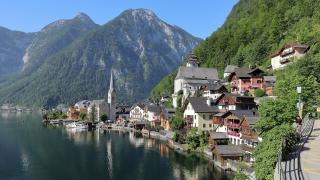
Austrian lakes offer distinct aquatic experiences based on altitude. Alpine lakes like Achensee remain cold year-round. Summer water temperatures rarely exceed 20°C. These clear waters suit kayaking and diving. Lowland lakes, such as Neusiedl, are warmer. They provide ideal conditions for swimming. The Salzkammergut region features numerous glacial lakes. These waters are generally pristine and clear. Many beaches hold Blue Flag status. This indicates high water quality standards. Paddling routes vary by geography. The March and Thaya rivers offer flatwater trails. The Drau provides dynamic alpine currents. Lake Weissensee allows for calm kayaking. Altitude significantly impacts water temperature. Higher elevations mean cooler swimming conditions. Travelers should check local forecasts. Water safety guidelines apply strictly in Tirol. Rental equipment is widely available. Prices vary by region and season. Booking tours in advance is recommended. Neusiedl hosts unique moonlight paddling events. Ranger-led tours explore the Donau-Auen. These experiences highlight local wildlife. Swimming is permitted in designated zones. Kayaking requires appropriate safety gear. Always respect local water codes. Austria’s diverse landscapes support varied activities. Choose locations based on desired temperature. Alpine settings offer dramatic scenery. Lowland areas provide gentle relaxation. Plan your itinerary around water conditions. Ensure you have suitable swimwear. Cold water requires wetsuits in alpine zones. Warm lowland lakes need standard gear. Research specific lake regulations beforehand. Austria offers safe, structured aquatic environments.
Kayaking and Canoeing Routes
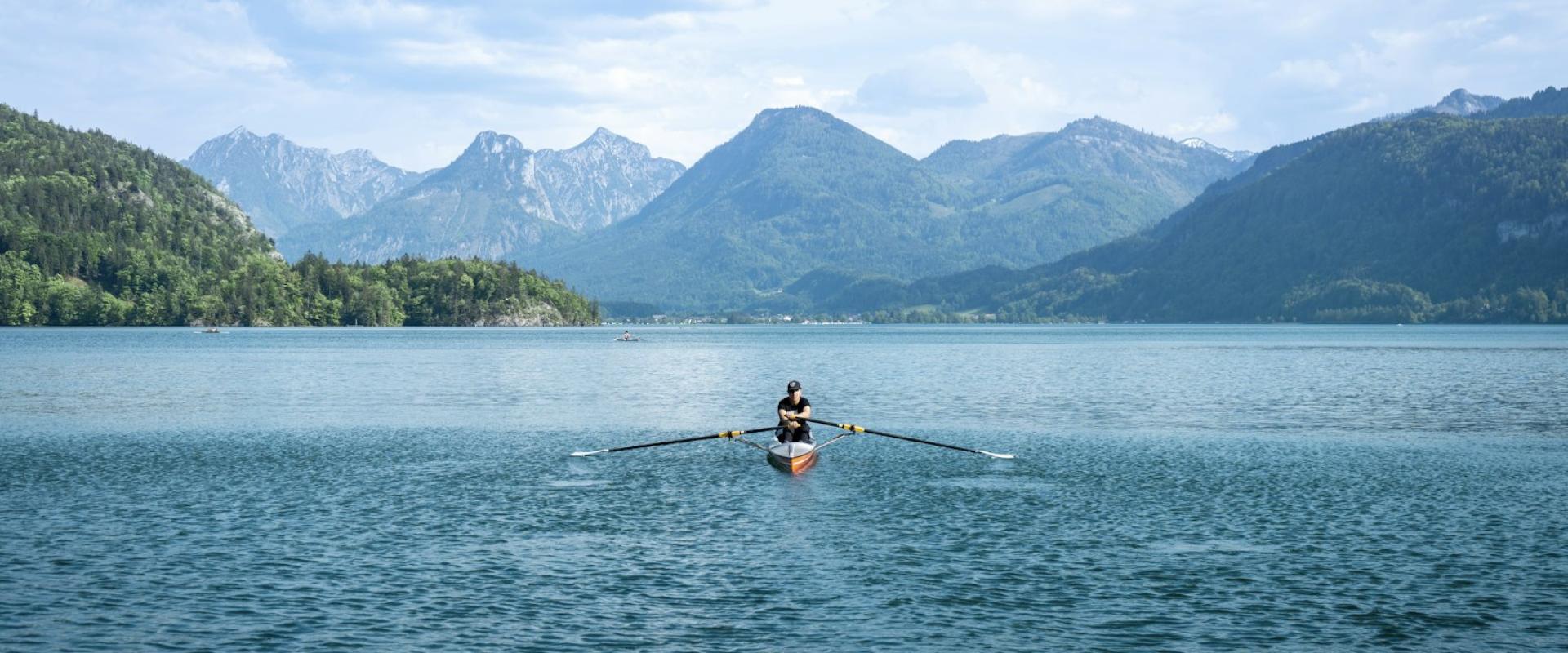
Austria offers diverse paddling routes across varied terrains. Northeastern rivers like the March and Thaya provide gentle flows. These flatwater sections suit beginners and families. The River Raab in Styria offers slightly faster currents. Paddlers should check water levels before launching. Lake Neusiedl presents unique flatwater experiences. Group tours and moonlight paddling are popular here. The Donau-Auen National Park requires ranger-led tours. These guided trips focus on beaver spotting. The Drau River in the Southern Alps demands advanced skills. White water sections challenge experienced kayakers. Lake Weissensee in Carinthia offers calm alpine paddling. Rental costs average €25 per day for single kayaks. Multi-day trips require prior booking. Summer months provide the best conditions. Water temperatures vary significantly by region. Alpine lakes remain cold even in July. Northeastern plains offer warmer, slower-moving waters. Paddlers must respect local wildlife zones. Specific routes near Vienna require permits. Always carry a whistle and light. Safety gear is mandatory for alpine rivers. Local guides provide essential route information. Booking online is recommended during peak season.
Swimming Zones and Beach Culture
Austrian lakes enforce strict bathing zones marked by red and white buoys. These markers separate swimmers from motorized watercraft. Lifeguards staff major beaches like those at Wörthersee during peak summer months. Their presence ensures rapid response to aquatic emergencies. Smaller, remote alpine lakes often lack professional supervision. Swimmers must rely on personal judgment in these areas. Beach culture emphasizes order and environmental respect. Visitors typically use designated entry points to protect fragile shorelines. Cleanliness is paramount; littering results in significant fines. Most managed beaches charge an entry fee ranging from €3 to €6 daily. These fees fund maintenance and safety services. Amenities vary by location. Popular spots offer changing rooms, showers, and rental shops. Wild swimming areas provide no facilities. Paddlers should respect these zones to avoid conflicts. Kayaks must yield to swimmers in designated swimming lanes. This hierarchy ensures safety for all water users. Understanding local norms enhances the overall aquatic experience significantly.
Safety Protocols and Water Conditions
Alpine water temperatures pose significant hypothermia risks. Achensee waters rarely exceed 20°C in summer. Cold shock can incapacitate swimmers instantly. Paddlers must wear wetsuits or drysuits. Lake Neusiedl offers warmer, shallow waters. However, sudden thunderstorms threaten all watercraft. Check the ZAMG forecast before launching. Alpine storms develop rapidly without warning. Local water codes enforce strict right-of-way rules. Motorboats always yield to kayaks and canoes. Swimmers must stay within marked buoy zones. Red and white buoys define safe areas. Lifeguards monitor major beaches like Wörthersee. Mandatory life jackets apply to all children. Rental shops provide certified safety gear. Helmets are essential for white-water sections. The Drau River requires advanced skills. Always inform someone of your route. Emergency numbers are 112 across Austria. Respect local signage at all times. Preparedness ensures safe enjoyment of alpine waters.
Rental Logistics and Booking Tips
Book kayaks and canoes weeks in advance for July and August. Peak season demand is high at Lake Neusiedl and Wörthersee. Local providers like Achensee Sport require reservations for group tours. Beginners should inquire about guided packages. Ranger-led tours in Donau-Auen National Park offer educational value. These include beaver spotting and safety briefings. Equipment rental typically costs between €15 and €25 per day. Prices vary by location and equipment type. Inspect all gear before departure. Check hull integrity and paddle shafts for cracks. Ensure life jackets fit securely and meet Austrian safety standards. Remote alpine lakes like Weissensee have limited rental infrastructure. Plan transport to these sites in advance. Storage facilities are available at major marinas. Lock valuables in provided lockers. Bring cash for smaller, family-run rental stations in Carinthia. Verify opening hours, as some close early in September. Safety codes apply strictly to all watercraft users.