
Rail Network Fundamentals
ÖBB Railjet trains connect Vienna, Salzburg, and Innsbruck efficiently. These high-speed services reach speeds up to 230 km/h. Travel between Vienna and Salzburg takes approximately 2.5 hours. Regionalzug trains serve smaller towns like Hallstatt’s nearest station. Book Railjet seats during summer peak season to guarantee space. Reservations are mandatory for specific seat assignments on long routes. Local buses integrate seamlessly with train schedules in alpine regions. The ÖBB app provides real-time updates for all connections. Ticket prices vary by distance and class selection. Second class offers standard comfort for budget-conscious travelers. First class provides extra space and quiet zones. The City-Ticket includes local transport within major cities. This pass covers trams, buses, and subways in Vienna. It also applies to regional trains in Salzburg. Plan your multi-city route using the ÖBB timetable. Direct connections exist between Vienna, Graz, and Linz. Night trains offer overnight travel to save daytime hours. These services include sleeper cabins and couchette options. Ensure your ticket covers all required transfers. The Austrian rail network prioritizes punctuality and reliability.
Strategic Route Planning
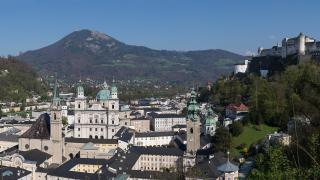
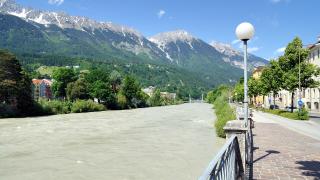
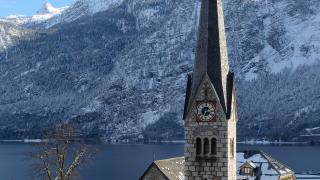
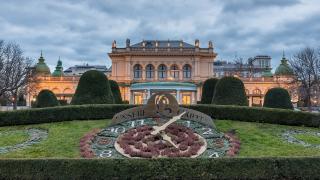
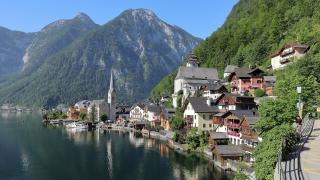
Adopt a linear East-West trajectory for efficiency. Begin in Vienna, then proceed to Salzburg. Continue westward to Innsbruck. This flow minimizes backtracking and travel fatigue. Allocate a minimum of two nights per major hub. This duration allows for adequate exploration of each city. Hallstatt presents unique logistical challenges. It lacks direct rail connectivity from major hubs. Travelers must combine train and bus transfers. Plan extra time for these complex connections. The optimal duration for this multi-city tour is ten to fourteen days. This timeframe balances major hubs with smaller destinations. It ensures a manageable pace without rushing. Prioritize direct ÖBB connections where possible. Avoid unnecessary detours to maintain schedule integrity. Focus on high-yield stops within each region.
Ticketing and Pass Systems
ÖBB Sparpreis tickets offer significant discounts for advance bookings. These fares are non-refundable and tied to specific trains. Flexpreis tickets provide full flexibility for changes without extra fees. The Austria Card offers unlimited travel on ÖBB trains nationwide. It also includes free entry to numerous museums and attractions. Seat reservations on Railjets are mandatory for high-speed services. These reservations cost approximately four euros per journey. The City-Ticket option integrates local public transport into train fares. This inclusion covers trams, buses, and subways in major cities like Vienna and Salzburg. This system simplifies multi-city logistics by combining long-distance and local transit. Travelers should verify specific inclusions for each city pass. Advance planning ensures the best rates for intercity connections.
Luggage and Transit Logistics
Railjets provide ample overhead racks and dedicated luggage areas. Store large suitcases securely in designated zones. Wien Hbf requires ten minutes for transfers between platforms. Nightjet services offer sleeper cabins for overnight travel. These beds save hotel costs and maximize daytime sightseeing. Secure valuables in personal bags at all times. Lockers at major stations cost approximately €4 daily. Use ÖBB’s luggage forwarding service for seamless multi-city moves. This service delivers bags directly to your next hotel. Avoid carrying heavy items during long transit segments. Plan buffer time for platform changes at busy hubs. Verify train schedules via the ÖBB app. This ensures accurate arrival times for your itinerary.
Seasonal Considerations and Delays
Summer peak season (June-August) drives prices up 30%. Train availability drops significantly during this period. Book ÖBB tickets three months in advance. Alpine road closures occur frequently due to construction. The Arlberg Tunnel often restricts heavy vehicle traffic. Winter weather risks are high in Tyrol. Snowstorms delay Railjet services between Innsbruck and Salzburg. Delays can exceed two hours during heavy snowfall. Shoulder seasons (April-May, September-October) offer better reliability. Train schedules run on time more consistently. Fewer tourists mean easier seat reservations. Avoid August for critical multi-city connections. Winter travelers should monitor ÖBB status alerts. Alpine passes may close without warning. Plan buffer days for alpine transit. This strategy mitigates weather-related disruptions effectively.