



The Austro-German Tradition
Austria anchors the Austro-German musical tradition. Vienna remains its undisputed global center. This heritage defines serious classical performance. Key figures include Mozart, Strauss, and Mahler. Their works shape the national repertoire. The Vienna State Opera presents high art. It opened in 1869 with Wagner’s Fidelio. The Volksoper offers lighter operetta and ballet. These venues serve distinct artistic audiences. The Salzburg Festival occurs annually each summer. It draws international stars to Mozart’s birthplace. Cultural expectations demand strict audience reverence. Patrons observe silence during performances. Dress codes remain formal in major houses. Tickets for the Staatsoper start around €10. Standing room offers the cheapest access. Concerts fill historic halls like the Musikverein. Acoustics here are world-renowned. Visitors must book tours weeks in advance. Guided visits cost approximately €14. Arriving early ensures entry for performances. The tradition values artistic immersion above all. This seriousness distinguishes Austrian venues from others. Music is treated as sacred cultural property. Every note carries historical weight. The audience participates through attentive listening. This shared respect sustains the tradition.
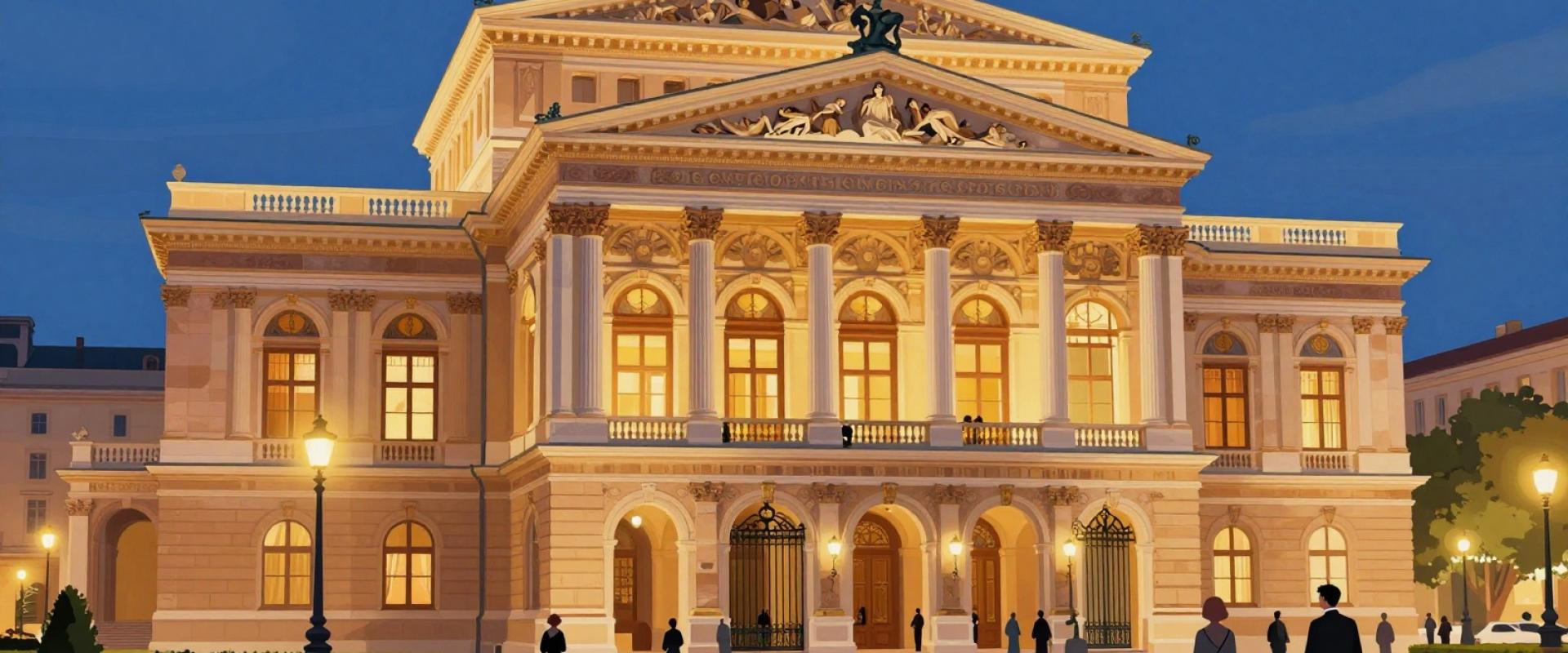
Vienna State Opera dominates the Ringstraße. Its neoclassical architecture opened in 1869. It remains the premier opera house globally. Acoustics here are exceptional for vocal clarity. Guided tours require advance online booking. These tours cost approximately €10. They last about 45 minutes. Visitors should arrive 15 minutes early. The Volksoper offers a distinct alternative. It focuses heavily on operetta productions. This venue often features rising stars. Tickets are generally more affordable. The Musikverein houses the Golden Hall. Its acoustics are world-renowned for orchestras. The New Year’s Concert occurs annually here. Concert tickets sell out months in advance. The Konzerthaus provides a modern atmosphere. It hosts diverse classical and contemporary works. Acoustics are praised for their warmth. Guided tours are available for non-performance visits. These tours cost around €12. They provide insight into architectural details. All venues offer affordable standing room options. Prices start at €10 for standing tickets. This allows budget-conscious access to high art. Vienna’s venue network supports year-round performance. Each house maintains distinct historical character.
Ticketing Strategies and Costs
Vienna State Opera offers standing room (Stehplätze) for €3.50. These tickets sell out quickly on performance days. Purchase them at the box office early. Arrive by 7:00 PM for evening shows. Seated tickets require advance booking online. Prices range from €30 to €150. Salzburg Festival tickets cost significantly more. Book months ahead for summer performances. Official websites like wiener-staatsoper.at are safest. Avoid third-party vendors to prevent high fees. Youth discounts apply to those under 19. The Jugendkarte costs €10 annually. It grants reduced entry to many venues. Students with valid IDs receive similar rates. Always verify age requirements before purchasing. Box offices open two hours before shows. Vienna’s Volksoper offers slightly lower prices. Theater an der Wien hosts varied productions. Always check specific venue policies online. Cash is preferred at smaller ticket windows. Credit cards work at major venues. Plan your budget around peak season costs. Salzburg prices surge during August festivals. Vienna remains affordable for standing room. This option provides a unique cultural experience. Secure seats early for popular premieres.
Etiquette and Cultural Norms
Punctuality is strictly enforced at Austrian venues. Arrive thirty minutes before curtain time. Latecomers are often excluded until intermission. This rule applies to the Vienna State Opera and Salzburg Festival. Dress codes vary by institution. Formal attire is expected at the Staatsoper. Men typically wear suits or tuxedos. Women choose elegant evening wear. Smart casual is acceptable at the Volksoper. Silence is mandatory during performances. Turn off all mobile devices completely. Whispering disrupts the acoustic experience significantly. Applause follows specific cultural protocols. Wait for the conductor to lower their arms. Do not applaud between movements of a symphony. Clap only after the final note. This respect honors the composer’s structure. Silence during pauses shows deep appreciation. Austrians value quiet concentration over casual chatter. Standing ovations are reserved for exceptional performances. They signal genuine artistic admiration. Follow these norms to show respect. Proper behavior enhances the shared cultural experience. Ignoring etiquette may result in removal. Vienna’s traditions demand serious attention. Respect these customs for the best experience.
Planning Your Musical Journey
Plan visits around Austria’s distinct cultural seasons. The Salzburg Festival runs from late July through August. This event fills the Großes Festspielhaus daily. Vienna’s main season spans September to July. The Musikverein hosts the famous New Year’s Concert. This specific performance sells out months in advance. Book guided tours for the Vienna State Opera online. These tours provide architectural insight before the show. Matinee performances offer better availability and lower prices. Standing tickets remain the most affordable option. Utilize Austria’s efficient ÖBB rail network for travel. Trains connect Vienna, Salzburg, and Graz quickly. Use the U-Bahn in Vienna for local access. Stations like Volkstheater serve the opera district directly. Combine a morning tour with an afternoon matinee. This strategy maximizes your cultural experience efficiently. Public transport passes cover all major venues. Check the ÖBB app for real-time schedules. Arrive early to secure standing room spots. This practice ensures access to popular productions. Austria’s infrastructure supports seamless musical tourism.