






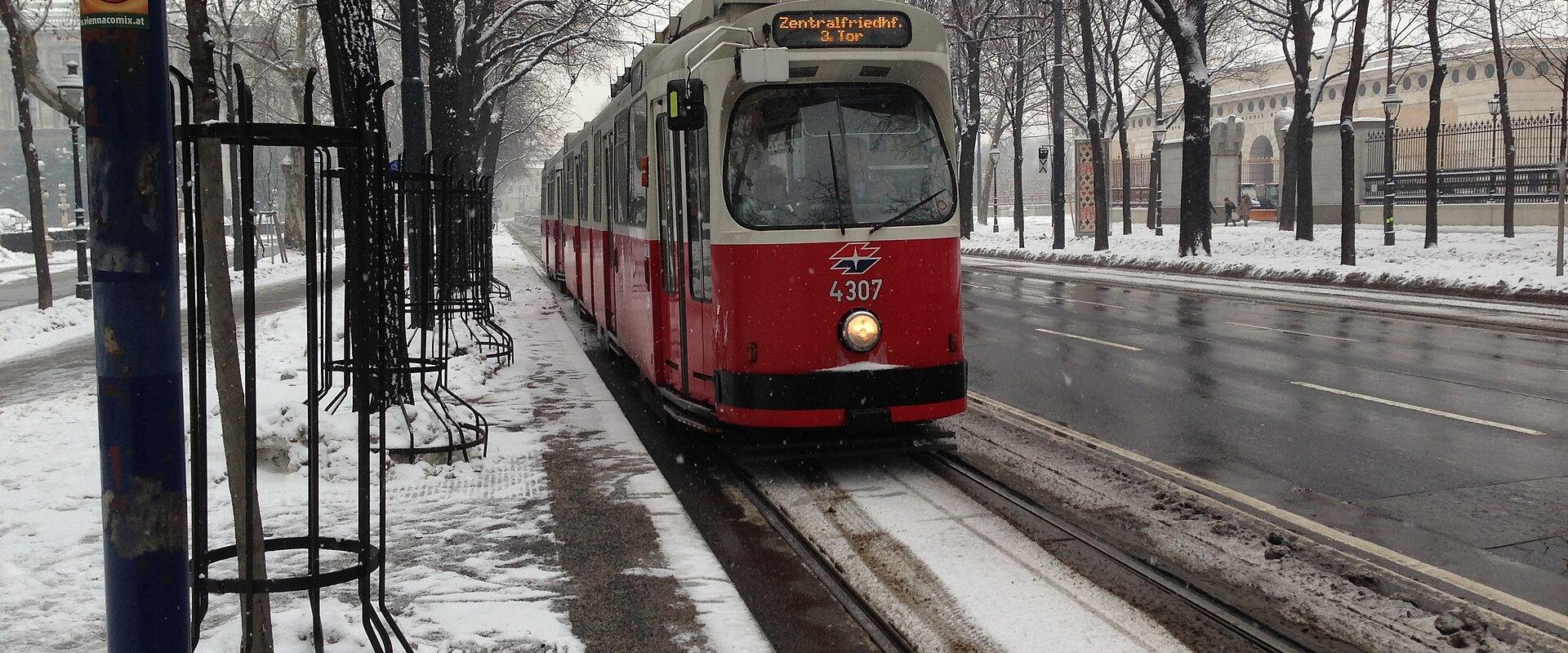
Vienna operates a distinct two-tier zone system. Zone 100 covers the city center. Zone 110 extends to the outer suburbs. Most urban networks are municipal, not national. This differs from the federal rail system. Vienna’s Wiener Linien manages the U-Bahn and trams. Graz uses Graz Linien for local transit. Salzburg relies on Salzburger Lokalbahn services. Pedestrian zones dominate Graz and Salzburg centers. Cars are restricted in historic districts. You must distinguish urban from regional tickets. A Vienna City Card covers Zone 100. It excludes Zone 110 travel. Regional passes do not work in cities. Check operator boundaries before boarding. Fines for invalid tickets are steep. Vienna charges approximately €2.40 for a single ride. Graz tickets cost around €2.60. Salzburg single fares are roughly €2.80. Daily passes offer better value for tourists. Monthly passes suit long-term residents. Always validate paper tickets before entry. Digital apps simplify payment processes. Avoid confusion by checking local maps. Urban networks prioritize frequency over speed. Trams often serve as primary transit. Buses fill gaps in coverage. Rail connections link suburbs efficiently. Plan routes using official city apps. Real-time updates prevent missed connections. Cleanliness standards remain high across all modes. Accessibility features are widely available. Wheelchair ramps exist on most vehicles. Priority seating is clearly marked. Drivers announce major stops clearly. English announcements are common in Vienna. Other cities may use local dialects. Learn basic German transport terms. This helps during ticket purchases. Customer service centers assist with queries. Lost and found offices handle misplaced items. Safety is generally high in vehicles. Well-lit stations deter criminal activity. Emergency buttons are accessible on platforms. Always have a valid pass ready. Inspectors patrol trains and buses regularly. Keep your ticket visible until exit. This avoids unnecessary fines or delays.
Ticketing Structures and Validation
Paper tickets require immediate validation upon boarding. Use yellow validation machines at bus stops or tram platforms. Failure to validate results in a fine of approximately €110. This penalty applies even if you hold a valid ticket. Digital tickets offer greater convenience for modern commuters. The Wien Mobil app allows easy purchase and storage. Tickets remain valid without internet access once downloaded. Tobacco shops, known as Tabaktrafik, sell physical tickets nationwide. This option ensures accessibility for tourists without smartphones. Contactless bank card payments are increasingly common. Major cities like Vienna and Graz support direct tap-in systems. You simply tap your card at the reader. No physical ticket is required for these journeys. However, rules vary slightly between municipal operators. Always check specific city guidelines before traveling. Unvalidated travel is strictly monitored by inspectors. Fines are enforced rigorously across all networks. Keep digital tickets accessible for random checks. Validation machines are clearly marked in red and yellow. Ensure your paper ticket shows the correct date and time. Incorrect validation invalidates the ticket entirely. Plan your purchase method before entering the station. Avoid last-minute searches for machines or shops. Compliance ensures a smooth and penalty-free journey.
Intermodal Connectivity
Vienna’s Hauptbahnhof seamlessly integrates U-Bahn, S-Bahn, and regional trains. Passengers transfer between modes within the same complex. This design minimizes walking time significantly. Innsbruck and Salzburg offer direct tram access from main stations. Commuters exit platforms and board trams immediately. Real-time apps like WienMobil or ÖBB Scotty are essential. These tools provide accurate arrival predictions across all modes. They display live delays and platform changes instantly. Intra-city transfers occur within municipal boundaries. Inter-municipal transfers connect suburbs to city centers. Vienna’s VOR network covers these distinct zones. Peak hour congestion is managed through frequency adjustments. Trams and buses increase service intervals during rush hours. S-Bahn trains run every ten minutes in Vienna. This high frequency reduces waiting times effectively. Navigation apps help users avoid crowded carriages. They suggest alternative routes during disruptions. Ticket validity covers all connected transport types. A single ticket allows unlimited transfers within its time limit. This simplifies complex multi-modal journeys for daily commuters.
Accessibility and Service Reliability
Vienna’s U-Bahn stations feature elevators and escalators for full accessibility. All trams utilize low-floor designs for easy boarding. This ensures seamless access for passengers with mobility challenges. The N-Bus night service operates on weekends. Routes connect major hubs across the city center. Trains run with high reliability standards daily. Real-time delay notifications appear on digital displays. Passengers receive updates via the Wien Mobil app. Bicycle transport is permitted on most trams. A valid ticket costs approximately €2.50 per bike. Bikes must be folded or stored in racks. Commuters should check for strike announcements beforehand. Strikes occasionally disrupt S-Bahn and U-Bahn services. The VOR website lists current service alerts. Planning ahead prevents unexpected travel delays. Vienna maintains strict punctuality records for urban transit. Other Austrian cities follow similar reliability protocols. Graz and Linz offer comparable accessibility features. Night buses supplement late-night travel needs. These services ensure safe urban mobility. Riders benefit from consistent, predictable schedules. The integrated network supports efficient daily commutes.
Strategic Travel Planning
Multi-day passes offer significant savings over single tickets. Vienna’s 72-hour card costs €17. This covers unlimited travel in Zone 100. It includes airport transfers. Combine inter-city ÖBB rail with local passes. Many cities offer integrated tickets for tourists. Avoid peak hours between 7:00 and 9:00 AM. Trams and U-Bahn trains become extremely crowded then. Comfort decreases significantly during these rush periods. Afternoon peaks occur around 5:00 PM. Verify your accommodation’s location within fare zones. Some suburbs fall outside central city limits. This distinction affects ticket validity and price. Always download offline maps before traveling. Mobile signal drops in tunnels or valleys. Backup plans are essential for delays. Check real-time status via the WienMobil app. Have cash ready for ticket machines. Cards are not always accepted everywhere. Plan extra time for transfers. Intermodal hubs require careful navigation. Stay informed about strike schedules. These disruptions affect all public transport modes.