


Mandatory Coverage Rules
Schengen visa applicants must secure travel insurance immediately. The policy requires a minimum coverage of €30,000. This amount covers emergency medical treatment and repatriation. Coverage must remain valid across all Schengen states. Austrian authorities strictly enforce this requirement at borders. Non-visa travelers face significant financial risks without insurance. Austria’s healthcare system charges high fees for foreigners. Emergency room visits can cost thousands of euros. Medical evacuation from remote Alpine regions is extremely expensive. Travelers without coverage bear these full out-of-pocket costs. Policy documents must be accessible during border checks. Carry printed copies of your insurance certificate. Digital versions on phones may not suffice for officials. Ensure your policy explicitly covers the entire Schengen area. Gaps in coverage can lead to denied entry. Austrian border police verify insurance validity upon arrival. Always check specific country requirements before booking. This rule applies to all short-stay visa applicants. Long-term residents may have different local mandates. Verify your status with Austrian immigration authorities. Proper documentation prevents legal complications during your stay. Prioritize comprehensive coverage for peace of mind.
Alpine Activity Exclusions
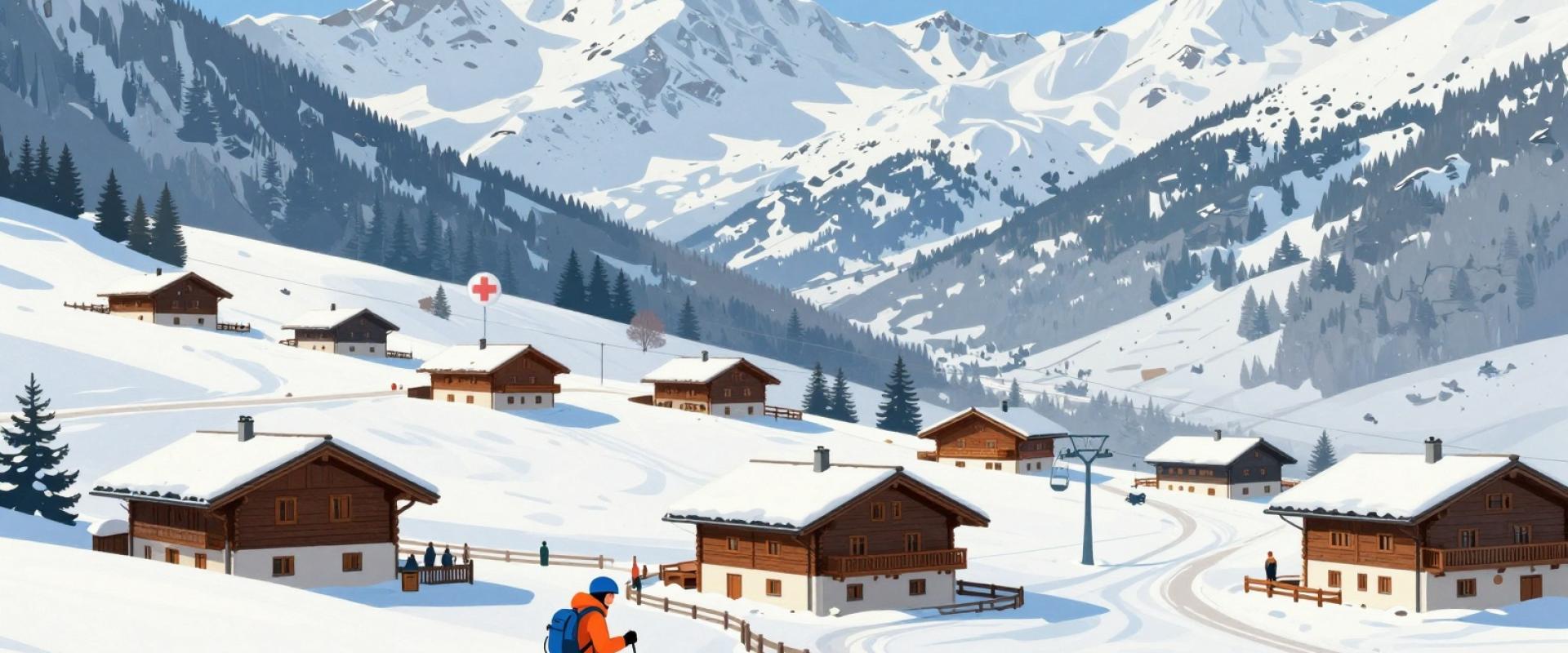
Standard Austrian travel insurance often excludes high-altitude winter sports. Basic medical plans rarely cover skiing or snowboarding injuries. Mountain rescue costs in the Alps are exceptionally high. These fees can exceed €500 per incident. Basic policies typically do not include these rescue charges. You must purchase specific winter sports riders for coverage. Comprehensive adventure coverage is essential for alpine travelers. Check altitude limits carefully before your trip. Coverage validity often expires above 2,000 meters. Some insurers require certified guides for higher elevations. Verify if your policy covers off-piste skiing. Standard plans usually restrict you to marked trails. Helicopter evacuation costs are rarely included in base plans. These services can cost thousands of euros. Always confirm if your policy includes avalanche rescue. Austrian rescue organizations like Bergrettung charge significant fees. Ensure your policy explicitly lists these services. Do not assume standard medical coverage applies to sports injuries. Review the fine print for activity exclusions. Specific riders cost more but provide necessary protection. Without them, you face full financial liability. Check if your plan covers equipment damage. Standard policies often exclude ski gear theft. Verify coverage for trail closures due to weather. Austrian alpine conditions change rapidly. Ensure your policy covers trip interruptions from snowstorms. Confirm if your plan includes search and rescue. These services are critical in remote Austrian regions. Always read the exclusion list thoroughly. Do not rely on general travel advice. Specific alpine risks require specific insurance solutions. Verify coverage limits for each activity type. Ensure your policy meets Austrian safety standards. Failure to do so risks significant financial loss. Always prioritize comprehensive alpine coverage for peace of mind.
Austrian hospitals often require upfront payment for non-emergency care. Direct billing networks are limited for international visitors. You must pay cash or use a credit card initially. Keep every detailed receipt for reimbursement claims. Many documents appear in German, so translate key sections. Use 24/7 assistance hotlines to locate English-speaking doctors. These services help navigate local clinics efficiently. Private room coverage adds comfort during extended stays. Standard wards may lack privacy for serious injuries. Mountain rescue teams charge high fees for heli-evacuations. Ensure your policy covers these specific Alpine costs. Verify if your plan includes dental emergencies. Routine check-ups are rarely covered by travel policies. Always carry your insurance card and policy number. Digital copies work well with local authorities. Austrian pharmacies accept most major international cards. Ask for itemized bills to speed up processing. Delays occur without proper documentation. Prioritize plans with robust European coverage limits.
Trip Interruption Protections
Austrian rail networks frequently halt during heavy alpine snowfall. Standard policies reimburse non-refundable train tickets for these weather delays. Road closures in Tyrol often strand travelers for days. Insurers cover reasonable meal costs during these extended delays. You must retain all receipts from local Austrian vendors. Hotels near major transit hubs accept these emergency claims. Unused prepaid costs for Vienna tours qualify for reimbursement. Early return flights home are covered if the trip ends prematurely. This applies when weather makes further travel unsafe. Basic plans may cap daily meal allowances at €50. Higher-tier policies offer more flexible reimbursement limits. 'Cancel for Any Reason' upgrades provide essential flexibility. This option refunds up to 75% of prepaid costs. It covers interruptions outside standard covered reasons. This is vital for unpredictable Alpine weather patterns. Always verify specific exclusions for mountain regions. Ensure your policy covers high-altitude transport disruptions. Keep documentation of all weather-related service cancellations. Contact your insurer immediately after any trip delay.
Policy Selection Checklist
Verify your policy dates match your Austrian itinerary exactly. Ensure the sum insured meets the €30,000 Schengen visa requirement. Confirm coverage includes alpine rescue services in the Tyrol region. Check if your plan covers skiing or snowboarding explicitly. Standard policies often exclude high-altitude winter sports injuries. Understand the deductible amount you must pay upfront. Review exclusions for pre-existing medical conditions carefully. Clarify the claims documentation required by Austrian providers. Note the processing timeline for medical reimbursements. Prepare digital copies of your policy documents. Keep physical copies of emergency contact numbers handy. Save the number for Austrian emergency services. Verify if direct billing is available in Vienna. Most Austrian hospitals require upfront cash payment. Keep all receipts for medical expenses incurred. Check if trip interruption covers Austrian rail delays. Snowfall often halts trains in the Alps. Ensure your policy covers these specific transport disruptions. Review the total cost against your budget. Average premiums range from $250 to $300. Select a provider with strong local support. Tin Leg and IMG are popular choices. Confirm the policy is valid for your entire stay. Do not rely on U.S. domestic health plans. They rarely accept claims in Austria. Secure comprehensive coverage before you depart.