
Regional Snow Dynamics
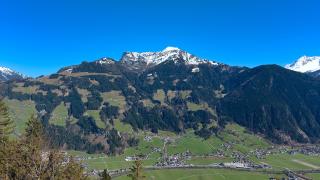
Austria’s winter sports landscape varies significantly by region. Western Austria, including Tyrol and Vorarlberg, offers higher altitudes. These areas average elevations above 2,000 meters. Eastern regions like Styria sit lower, often below 1,500 meters. Higher altitudes ensure more reliable natural snowfall. Western resorts maintain consistent coverage from December through March. Eastern slopes rely more heavily on artificial snowmaking. Many Eastern pistes require snow cannons for reliable conditions. Travelers should verify specific resort snow reports daily. Microclimates cause rapid weather shifts in alpine valleys. Check local forecasts for wind and temperature changes. Snow reliability decreases significantly in low-lying Eastern areas. Western high-altitude zones provide superior skiing stability. Plan itineraries around these geographic realities. Prioritize Western regions for guaranteed snow conditions. Eastern trips require flexible scheduling and backup plans. Always confirm current snow depth before booking lifts. Regional differences dictate the quality of your experience.
Lift Pass Integration
Austrian ski resorts utilize complex lift pass systems. Major alliances like Ski Amadé and SkiWelt dominate the market. Ski Amadé covers over 270 lifts across Salzburg and Tyrol. SkiWelt spans the border between Tyrol and Bavaria. Independent resorts issue single-area passes. These are less cost-effective for multi-resort itineraries. Integrated networks offer significant savings for travelers. You can access multiple mountains with one card. Early-bird discounts apply to online purchases. Buying before December often reduces costs by 20 percent. Peak season prices rise sharply in January. Always check specific resort websites for current rates. Digital passes are widely accepted across Austria. They link directly to lift gates. This eliminates physical ticket queues. Some passes include public transport. The Ski Bus connects remote villages efficiently. Verify inclusion before booking your itinerary. Regional alliances simplify logistics for long stays. They reduce daily planning stress. Focus on one major alliance per trip. This maximizes value and minimizes confusion. Ensure your pass covers your planned altitude. Higher lifts often require separate upgrades. Plan your route around pass validity zones. This ensures seamless travel between slopes.
Transport Logistics
Austria’s rail network connects major hubs to ski resorts efficiently. ÖBB trains depart frequently from Vienna, Salzburg, and Innsbruck. Journey times to Tyrolean resorts typically range from two to four hours. Regional buses provide last-mile connectivity from train stations to valley floors. These services operate on fixed schedules aligned with train arrivals. Car rentals offer superior flexibility for remote mountain villages. Renting a vehicle costs approximately €30 to €50 daily. Winter tire regulations are mandatory from November 1 to April 15. All vehicles must carry snow chains or possess winter-rated tires. Snow chains are required on specific mountain passes during heavy snowfall. Airport shuttles from Innsbruck and Salzburg link directly to major ski areas. These transfers take roughly 45 to 90 minutes depending on traffic. Public transit passes often include unlimited bus and train access within regions. The Ski Bus network in Tyrol operates free for lift pass holders. This integration reduces the need for private vehicles in resort centers. Parking fees in village centers average €5 to €10 per day. Early morning departures are advisable to avoid traffic congestion on weekends. Fuel stations near high-altitude resorts may have limited operating hours. Always verify chain requirements before entering alpine passes. Public transport remains the most sustainable option for urban-to-resort travel.
Equipment and Rentals
Austrian ski villages host numerous rental shops near lift stations. These locations offer immediate access to gear for skiers. Most shops operate from early December through mid-April. Online pre-booking is essential during peak holiday periods. This ensures availability of properly sized equipment for your itinerary. Local prices typically range from €25 to €40 daily. Basic packages include skis, boots, and poles. Helmets often cost an additional €5 to €8. Many shops provide insurance for equipment damage or loss. This coverage protects against accidental breaks during your trip. Advance booking allows you to select specific ski models. This customization enhances performance on varied Austrian slopes. Shops in Tyrol and Salzburg often stock premium brands. You can pick up gear before your first run. Return procedures are streamlined at most village locations. Staff verify equipment condition upon drop-off. This process is usually quick and efficient. Consider booking multi-day packages for better value. Discounts apply for rentals exceeding three consecutive days. Some hotels offer storage for personal gear. This option reduces daily transport needs. Verify opening hours before visiting, as they vary. Most shops close by 5:00 PM. Plan your rental pickup for the morning. This avoids queues during busy lift times.
Safety and Altitude
Austrian ski resorts enforce the International Ski Federation’s Ten Rules strictly. These guidelines prioritize safety for all alpine participants. Skiers must yield to those downhill. Always control your speed and direction carefully. Check weather conditions before ascending any peak. Austrian mountains experience rapid weather changes. Snowstorms can reduce visibility to near zero. Carry essential emergency supplies in your pack. Altitude sickness affects visitors above 2,500 meters. Symptoms include headaches, nausea, and dizziness. Descend immediately if symptoms worsen significantly. Hydration is critical at high elevations. Drink water frequently, even without thirst. Emergency services in Austria are highly efficient. Dial 140 for mountain rescue teams. Dial 112 for general medical emergencies. Insurance coverage is mandatory for all visitors. Ensure your policy includes high-altitude rescue costs. Austrian rescue operations are expensive without coverage. Average rescue fees exceed 1,000 euros. Verify your insurance limits before arrival. Carry a fully charged mobile phone. Inform others of your planned route. Stick to marked trails at all times. Unmarked areas pose significant avalanche risks. Respect all warning signs and closures. These protocols ensure a safe winter itinerary.
Accommodation Strategy
Ski-in/ski-out lodges in Tyrol cost significantly more than valley options. Expect premiums of 30 to 50 percent for direct slope access. These properties eliminate commute time but increase daily expenses. Shuttle-accessible hotels in towns like St. Anton offer better value. Public buses run frequently from village centers to lift stations. This option saves money while maintaining reasonable convenience. Lower-altitude lodgings in regions like Salzkammergut provide health benefits. Reduced altitude minimizes risk of acute mountain sickness. These areas also feature lower accommodation rates. Early booking is critical for peak season availability. Reservations should be made six months in advance. Flexible cancellation policies are rare during Christmas and February holidays. Non-refundable rates often secure the best prices. Verify shuttle schedules carefully. Some valley hotels require early morning departures. Prioritize locations near major hubs like Innsbruck or Salzburg. These cities offer diverse lodging tiers. Ski resorts in Vorarlberg provide unique alpine experiences. Choose based on budget and slope preference. Balance cost with travel time to lifts.