
Legal Residency Framework
Austria lacks a dedicated digital nomad visa. Remote workers must navigate existing residency categories carefully. The standard Schengen Visa allows only ninety days of stay within any 180-day period. This limit strictly prohibits long-term remote employment. You cannot legally work remotely on this visa. For stays exceeding ninety days, you need a Red-White-Red Card. This card targets skilled workers with local job offers. Freelancers may apply under specific self-employment provisions. Tax residency triggers after 183 days of physical presence. You must declare worldwide income to Austrian authorities. Compliance with local labor laws remains mandatory. Employers outside Austria must respect Austrian social security rules. Double taxation treaties may apply depending on your home country. Consult the Austrian Federal Ministry for Digital and Economic Location. Legal advice is essential before relocating. Violating visa terms risks deportation and future bans. Ensure your contract permits work from Austrian soil. Verify health insurance coverage for the entire duration. Plan your tax obligations well in advance. The system favors traditional employment over nomadic lifestyles.
Connectivity Infrastructure
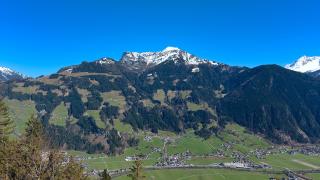
Austria boasts robust fiber optic networks in major urban centers like Vienna and Salzburg. Urban workers typically experience speeds exceeding 100 Mbps. Providers such as A1 Telekom and Magenta Telekom dominate the market. These companies offer reliable business-grade connections for remote professionals. Rural areas present significant connectivity challenges. Internet speeds drop considerably in Alpine regions. Some villages still rely on slower DSL infrastructure. Digital nomads should verify local coverage before booking accommodation. Public Wi-Fi security varies across Austrian establishments. Cafés in Vienna often provide free access. However, encryption standards are frequently weak. Avoid sensitive transactions on unsecured networks. Always use a Virtual Private Network for protection. Backup strategies are essential for rural work. Carry a local SIM card from T-Mobile or Drei. These networks offer broader coverage than urban providers. Mobile hotspots serve as reliable internet backups. Check signal strength maps before traveling to remote areas. Reliable connectivity remains critical for seamless remote work execution.
Co-Working Ecosystem
Vienna hosts major hubs like WeWork and The Office. These spaces offer professional environments for remote workers. Monthly memberships range from €200 to €400. Secondary cities like Graz and Linz have smaller, independent co-working spots. These options are often more affordable than Vienna. Average costs hover around €150 monthly. Austria’s strong cafe culture supports remote work. Many cafes provide free Wi-Fi and power outlets. However, noise levels can be high during peak hours. Quiet zones are rare in traditional coffee houses. Workers should visit during off-peak times for better focus. Some establishments require minimum spending on food or drinks. This policy varies by location and time of day. Day passes at co-working spaces typically cost €15 to €25. These allow flexible access without long-term commitments. Booking in advance is recommended for popular venues. Reliable internet is standard in most designated work areas. Workers should verify connectivity speeds before committing to a spot. Overall, the ecosystem balances professional facilities with social cafe environments.
Accommodation Logistics
Austrian rentals are typically fully furnished. This includes kitchenware and basic linens. Tenants rarely need to buy furniture. This saves significant upfront moving costs. Legal restrictions heavily impact short-term stays. Vienna bans most short-term rentals under 30 days. You must register your address locally. This registration is mandatory for residency. Utility costs are often included in rent. This simplifies budgeting for remote workers. Heating is critical during winter months. Austrian buildings feature excellent insulation standards. Double-glazed windows are standard in most units. This ensures efficient heat retention. Heating costs can be high in older buildings. Check if heating is prepaid or metered. Urban centers like Vienna have higher rents. Expect to pay €1,200 monthly for a one-bedroom. Smaller towns offer lower rates. Always verify internet stability before signing. Landlords may not guarantee high-speed connections. Confirm fiber optic availability in the contract. This ensures reliable video conferencing capabilities.
Cultural and Operational Norms
Austrian business culture demands strict punctuality. Arriving late is considered highly disrespectful. Formality prevails in initial professional interactions. Use titles and surnames until invited otherwise. Sunday is a protected rest day. Most shops and offices remain closed. Remote workers should avoid scheduling calls then. German is the primary business language. English proficiency varies outside major cities. Learning basic German phrases aids integration. Work-life balance is deeply valued. Employees typically work thirty-eight to forty hours weekly. Overtime is rare and often unpaid. Lunch breaks are sacred and uninterrupted. Many offices close between noon and one. This midday pause ensures afternoon productivity. Remote workers must respect these local rhythms. Ignoring Sunday closures disrupts local harmony. Formal communication styles prevent misunderstandings. Clear boundaries between work and personal time are essential. Austrian colleagues value direct, honest feedback. Avoid excessive small talk in professional settings. Efficiency and reliability define successful remote collaboration here.