- Where
- Upper Austria, Upper Austria
- Directions
- Directions
Herb hikes are guided walks that introduce visitors to the wild and cultivated plants of the countryside and to the traditional knowledge of how they are used, and in Upper Austria they are offered in a number of areas, mainly in the Mühlviertel and the Traunviertel. The landscapes of these regions, with their meadows, forest edges, hedgerows and farm gardens, support a rich variety of aromatic and medicinal plants, and the walks are a way of learning to recognise them and to understand why they have mattered to rural people.
A typical herb walk is led by a local expert, often a trained herbal educator or a farmer's wife with a lifetime of experience, who stops at plants along the path and explains what they are, when to gather them and what they are used for. Common species include yarrow, which was used for wounds, St. John's wort, a plant with yellow flowers used in oils and teas, elder, whose blossoms are made into syrup and fritters, thyme and wild marjoram, which flavour food, and arnica, a mountain plant used in healing ointments. Participants can smell, touch and sometimes taste the plants, and the guides share recipes for teas, syrups, salves and kitchen uses.
The walks also explain cultural traditions. In Catholic regions of Austria, bundles of herbs and flowers are blessed in church on the feast of the Assumption of Mary in mid-August, and the bundles are then hung in houses or barns for protection and healing, a custom known as the Kräuterweihe. Folk medicine drew on this kind of plant knowledge long before modern pharmacies existed, and many remedies are still used at home. The hikes give a chance to hear about these customs from people who keep them alive.
The pace is gentle, since the point is to look closely and not to cover distance, and the routes are generally easy, suitable for families and for people of modest fitness. Many walks end with a tasting of herbal teas, spreads or baked goods at a farm or hut. Some are tied to herb gardens and farms that sell their own products, such as dried herbs, soaps and liqueurs.
The season runs from late spring to early autumn, when the plants are in leaf and flower, and dates and meeting points are best checked with local tourist offices. Collecting wild plants for personal use is subject to rules, and protected species must never be picked. The walks suit nature lovers, cooks and anyone curious about traditional plant lore.
Categories
More photos coming soon
Nearby Attractions
Other places to visit in Upper Austria
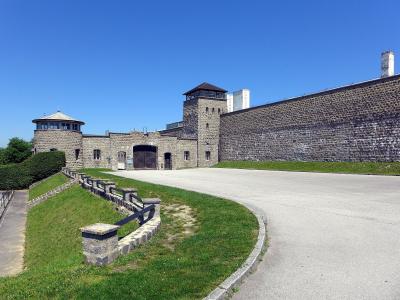
Mauthausen
Former Nazi camp with the Stairs of Death
Free History & Heritage · Museums & Art
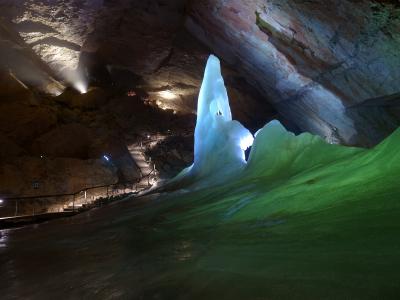
Dachstein Giant Ice Cave (Dachstein Rieseneishöhle)
Europe's largest ice cave with 9m ice mountain
Natural Wonders · Glacial Caves
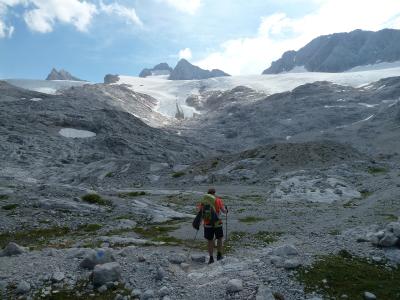
Dachstein Glacier
High-altitude glacier with skywalk and ice palace
Adventure & Activities · Museums & Art
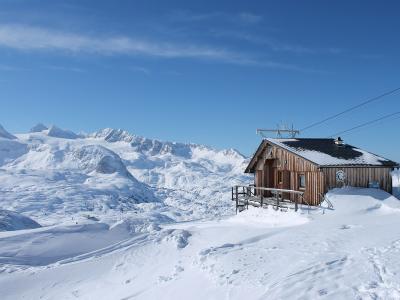
Dachstein Krippenstein
UNESCO site with 5Fingers platform and ice caves
Cable Cars · Glacial Caves
Questions people ask
Quick Facts
Best Time to Visit
Visit from May to October for mild weather ideal for hiking and lake activities, avoiding peak summer crowds in May or September.