Kaiser-Franz-Josefs-Höhe
Highest point of the Grossglockner High Alpine Road
- Admission
- Free admission to the information centre
- Hours
- Daily 10:00 to 17:00
- Where
- Grossglockner High Alpine Road, Salzburg
- Directions
- Directions
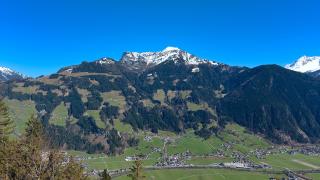
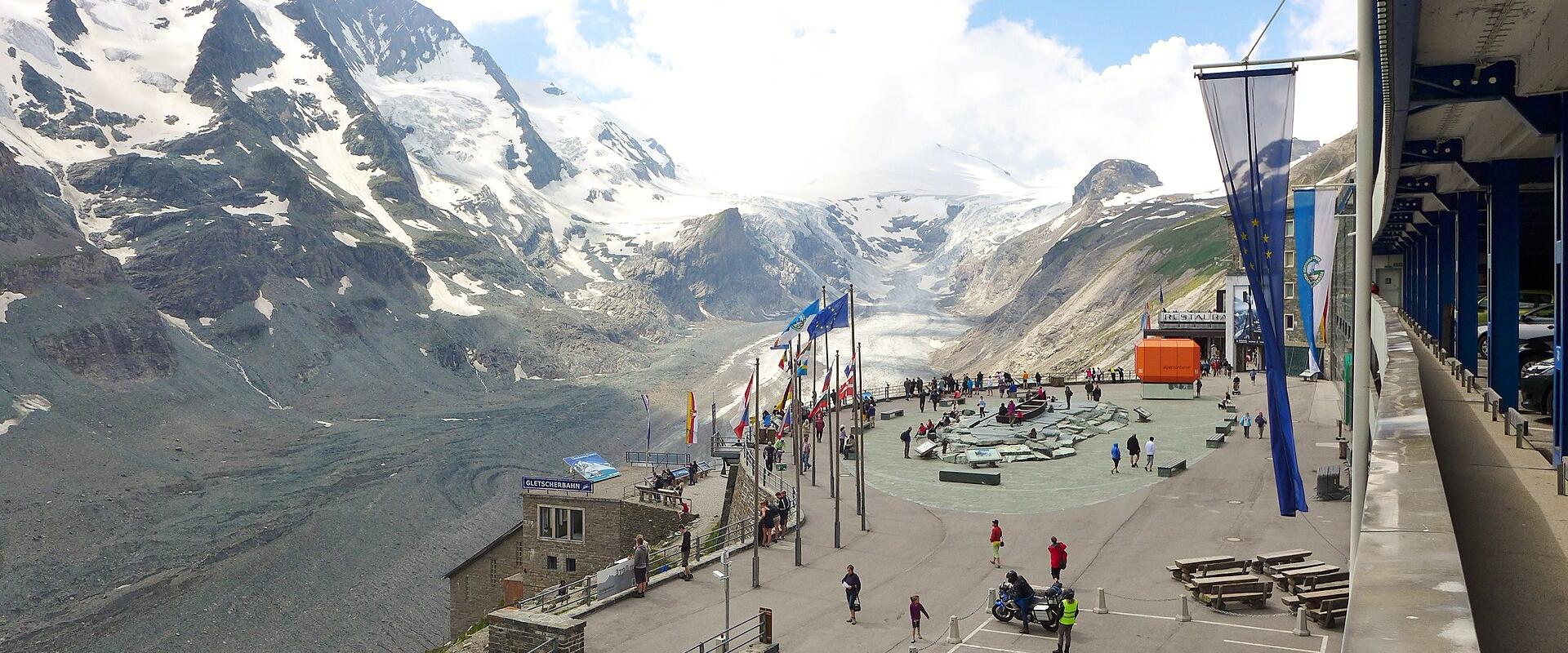
Kaiser-Franz-Josefs-Höhe is a viewpoint at the end of a side road of the Grossglockner High Alpine Road, at 2,369 metres, and it is the best place from which to see the Pasterze, the longest glacier in the Eastern Alps, and the Großglockner, the highest mountain in Austria at 3,798 metres. The ice tongue of the Pasterze lies directly below the terrace, and the pyramid of the Großglockner rises behind it, together with the ridges of the Hohe Tauern, so that visitors can see the whole high-alpine landscape of rock, ice and snow without walking for hours. The place was named after Emperor Franz Joseph I, who came here in 1856 with Empress Elisabeth, and the visit of the imperial couple helped to make the glacier famous.
The glacier is a symbol of climate change as much as a scenic attraction. The Pasterze has been retreating for more than a century, and it is now much shorter and thinner than it was in the Emperor's time, and boards along the paths mark the former extent of the ice. This makes the viewpoint a place of serious reflection as well as a viewing platform, and the exhibition in the visitor centre explains the glacier's changes. The centre contains an exhibition area of about 300 square metres with touchscreens and models, and a cinema with high-definition projection and good sound which shows the dynamics of the high-alpine environment, from avalanches to the life of plants and animals. Admission to the centre is free, and it is open during the season, which runs generally from May to October.
The area offers walking opportunities. A well-known path, the Gamsgrubenweg, leads along the side of the mountain, past waterfalls and rock walls and through a tunnel, with views of the glacier, and the terrain is demanding in places, with steep drops, so sturdy shoes are important. Wildlife is part of the attraction, with marmots near the car park and ibex and chamois visible on the slopes, and golden eagles and bearded vultures circle above. The air is thin, the weather can change quickly, and the temperature is often well below that in the valley, so warm clothing is needed even in summer.
The road to the viewpoint is part of the famous Grossglockner High Alpine Road, a toll road that was opened in 1935 and climbs over the main ridge of the Alps between Salzburg and Carinthia, with hairpin bends and wide views. The toll ticket is linked to the vehicle. Public buses also serve the route in the season.
Allow one to two hours for the viewpoint and the exhibition, and more if you want to walk.
Categories
More photos coming soon
Hours & Fees
- Open
- Daily 10:00 to 17:00
- Admission
- Free admission to the information centre
Hours and prices change, especially out of season. Check with the venue before you go.
Nearby Attractions
Other places to visit in Grossglockner High Alpine Road
Questions people ask
Quick Facts
Free admission to the information centre
Best Time to Visit
Visit from June to October for clear weather and open road conditions, with July and August being peak months.