Pasterze Glacier
Largest East Alpine glacier in the Hohe Tauern
- Where
- Grossglockner High Alpine Road, Salzburg
- Directions
- Directions
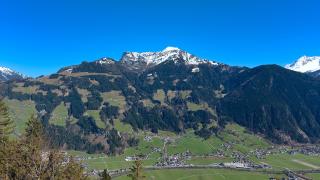
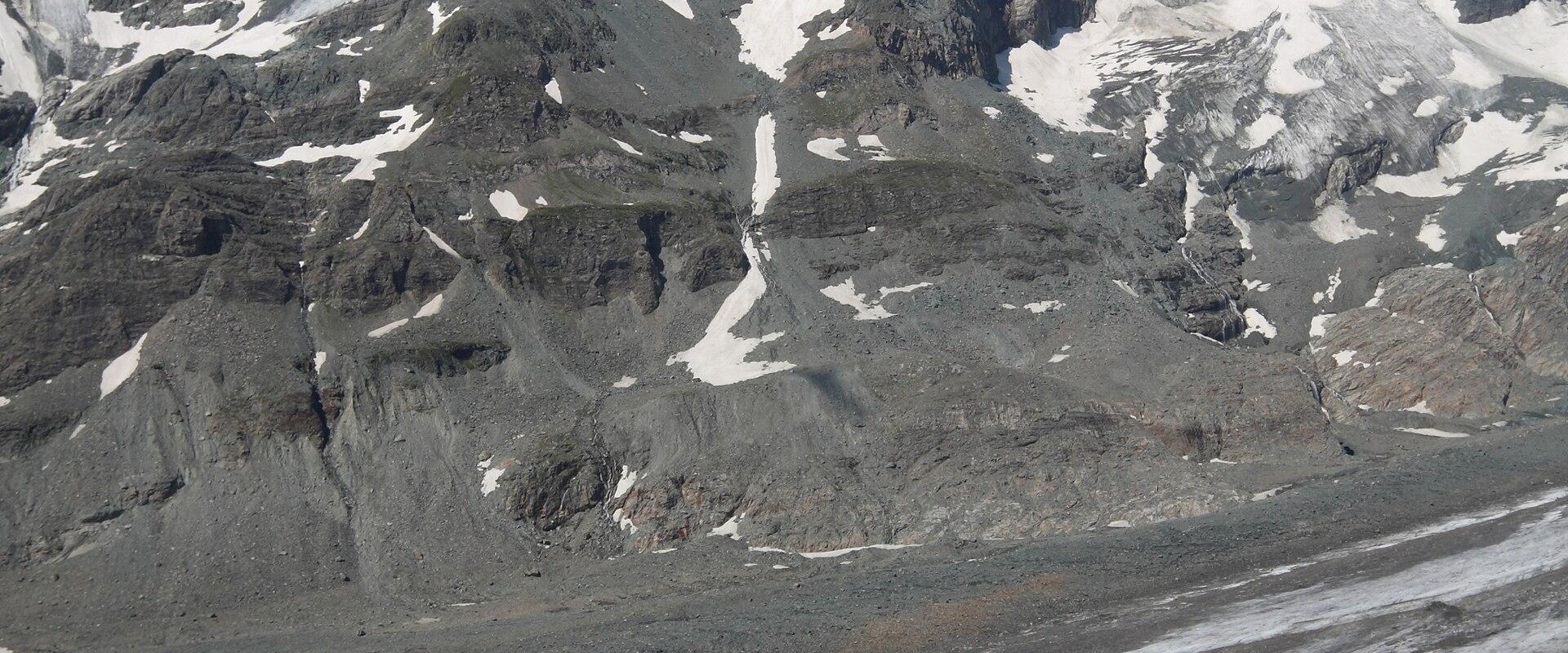
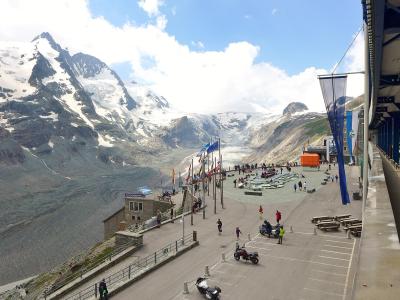
The Pasterze is the largest glacier in the Eastern Alps, a long river of ice that flows from the slopes of the Grossglockner, Austria's highest mountain, in the Hohe Tauern National Park in Carinthia. It lies at the end of the Grossglockner High Alpine Road, one of the most famous mountain roads in Europe, and the best view of it is from the Kaiser-Franz-Josefs-Höhe, a high viewpoint at about 2,370 metres that was named after the emperor who visited in the nineteenth century. From the terrace and the paths along the edge of the slope, visitors look straight down onto the glacier and across to the summit of the Grossglockner, which rises to nearly 3,800 metres, so the scene combines ice, rock and sky on a monumental scale.
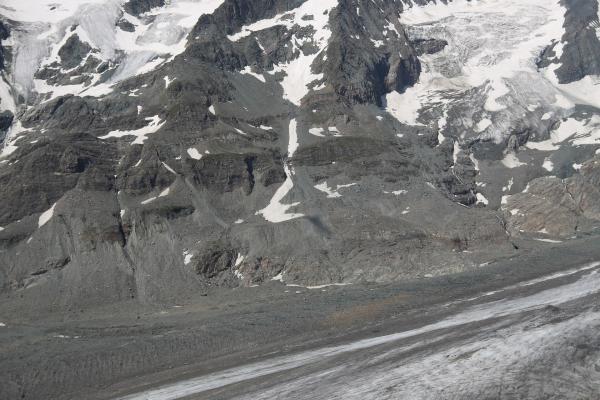
The glacier is long, running for several kilometres from the high basin beneath the Glockner down to its tongue in the valley, and it is crossed by deep crevasses and covered in places by debris. It has been shrinking for many decades, and the retreat is one of the best documented effects of climate change in the Alps. The ice has lost a great deal of thickness and length, and the tongue has pulled back by tens of metres in some years, so the glacier looks very different from the photographs taken a century ago. Information boards at the viewpoint and on the trails explain the change, and a visit gives a vivid and sobering insight into what is happening to Alpine ice.
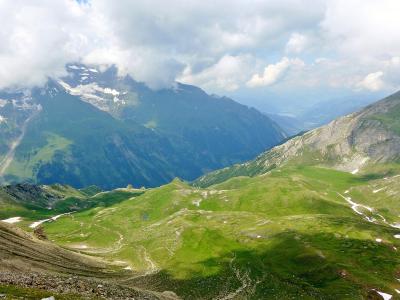
Visitors can see the glacier from several vantage points. Short paths from the Franz-Josefs-Höhe lead along the slope with views of the ice, and a longer trail, the Gletscherweg, descends toward the tongue and gives a closer look at the changing landscape, with information along the way. It is steep and requires sturdy shoes and some fitness, and the climb back takes effort. Walking on the ice itself without a guide and equipment is dangerous because of crevasses and should not be attempted. Marmots live on the grassy slopes near the viewpoint and are often seen, and the alpine flowers in early summer are a pleasure.
The road to the viewpoint is a toll road, and it is open from about May until the late autumn, depending on snow, with the daily hours depending on the season. Weather at 2,400 metres can be cold and windy even in summer, and clouds sometimes hide the view, so check the forecast and bring warm clothing.
The glacier suits drivers, walkers, photographers and anyone interested in the mountains and the climate.
Categories
More photos coming soon
Nearby Attractions
Other places to visit in Grossglockner High Alpine Road
Questions people ask
Quick Facts
Best Time to Visit
Visit from June to October for clear weather and open road conditions, with July and August being peak months.