- Admission
- Free
- Hours
- Trail closures may occur for safety or maintenance; check current information channels for...
- Where
- Schladming, Styria
- Directions
- Directions
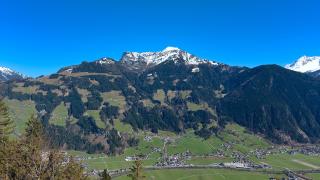
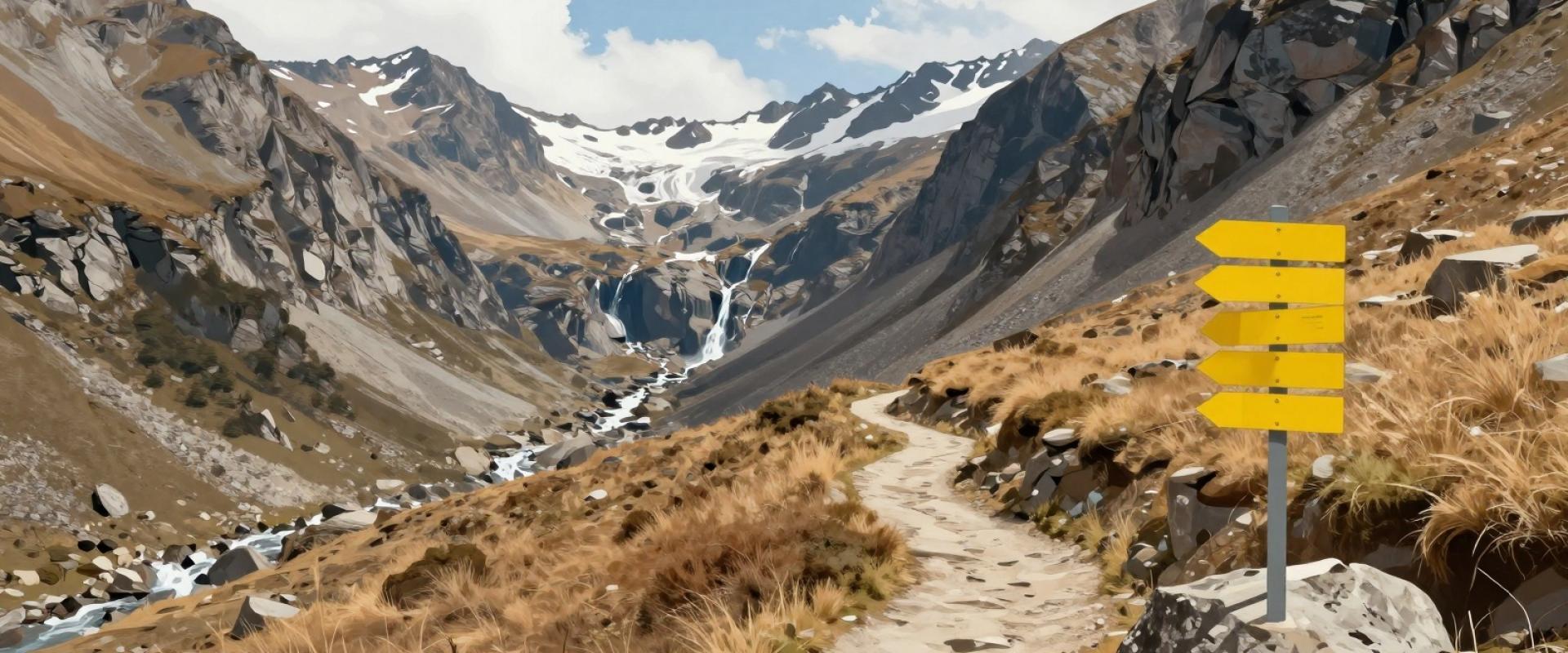
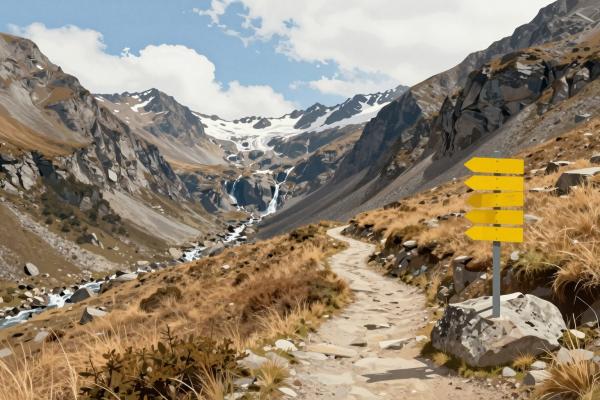
The Schladming-Dachstein region has one of the most extensive hiking networks in Austria, with around 1,500 kilometres of marked trails spread across the Schladminger Tauern, the Dachstein massif and the plateau of Ramsau. The region has been awarded the Austrian hiking seal of quality, which reflects its standards for waymarking, signage and huts. The trails are divided broadly into two zones, one centred on Schladming and the Tauern valleys and the other around Ramsau am Dachstein, and each has its own character.
The landscape is shaped by glaciation, and it is dotted with hundreds of small mountain lakes, often counted at around three hundred. Many sit in high cirques beneath rocky ridges, and walkers reach them on half-day or full-day routes through forests and meadows. Among the best known are the Riesachsee, in the Untertal valley, and the Duisitzkarsee, which lies in a high bowl above the Obertal valley. The Riesachfälle, a waterfall that drops in several stages, are among the highest in Styria and make a popular objective on the way to the Riesachsee. Other lakes and waterfalls add variety, so you can choose routes with water as a theme.
Choice of difficulty is wide. Families can follow gentle paths along valley floors and to alpine huts reached by lifts, while experienced walkers can take on long ridges, high passes and summit tours that climb above 2,000 metres. The long-distance trails include the Schladminger Tauern High Trail, which links a series of huts over several days and is among the classic multi-day walks of the region. A visitor card gives access to free hiking buses and some mountain lifts, which makes it easier to plan point-to-point walks without returning to the start.
Huts are an essential part of the culture. Many are run by alpine clubs or farming families and offer simple, filling food such as dumplings, soup and cakes, along with drinks and beds for overnight walkers. The Alpine Garden in Schladming introduces local mountain flora and is a gentle option for those who prefer shorter outings.
Weather in the mountains changes quickly, and thunderstorms are common on summer afternoons, so start early and carry rain gear and warm layers. Snow can linger on high routes into early summer, and it is wise to check conditions with the local tourist office. The main season runs from June to October. The trails suit all kinds of walkers, from casual visitors to serious mountain trekkers, and they combine well with a stay in Schladming town.
Categories
More photos coming soon
Hours & Fees
- Open
- Trail closures may occur for safety or maintenance; check current information channels for updates.
- Admission
- Free
Hours and prices change, especially out of season. Check with the venue before you go.
Nearby Attractions
Other places to visit in Schladming
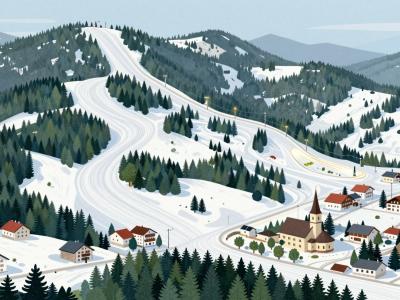
Schladming Ski Arena (Schladming-Dachstein-Ramsau)
Austrian four-mountain ski link hosting World Championships
Mountain Hiking · Ski Resorts
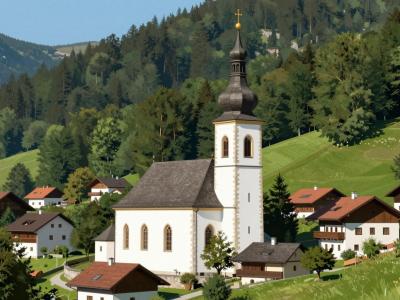
Schladming Ski Area (Schladming-Dachstein-Ramsau)
Former mining town hosting 1982 World Ski Championships
Free Cable Cars · Mountain Hiking
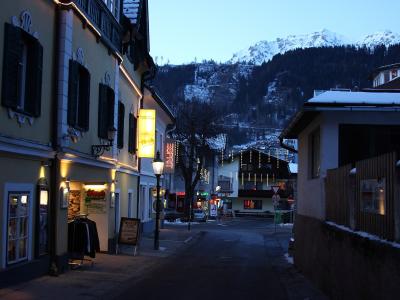
Schladming Town Square (Marktplatz)
Historic alpine market square in Schladming
City Centers · Old Towns
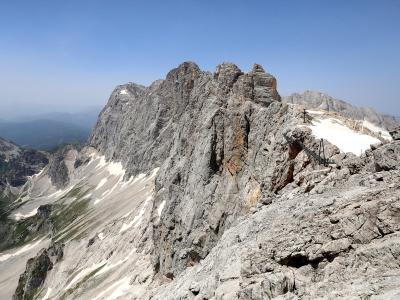
Dachstein Mountain (Dachstein)
Alpine glacier with skywalk, ice palace, and 360-degree v...
Adventure & Activities · Natural Wonders
Questions people ask
Quick Facts
Best Time to Visit
Austria enjoys a Mediterranean climate with warm summers and mild winters, making it ideal for visiting year-round.