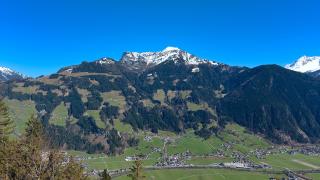
Schladming lies in the upper Enns valley, the Ennstal, at about 740 metres, with the southern wall of the Dachstein rising to the north and the Schladminger Tauern, a granite range with many lakes, to the south. The valley is wide, and the town has a compact centre at the junction of two roads, with cable cars to the Planai on one side and the Hochwurzen on the other. The Ennstal belongs to Styria, and the region feels more Austrian-Styrian than Tyrolean, in its food and dialect.
The history is that of mining. In the Middle Ages, silver and copper were extracted in the surrounding mountains, and in the sixteenth century Schladming was the largest mining town in Styria, with a population of several thousand and a strongly Protestant community. In 1525, during the Peasants' War, miners and farmers rebelled against the Archbishop of Salzburg, and the uprising was crushed, with the town burned. Later, in the seventeenth century, many Protestants were expelled. The Evangelical Church of Schladming, built in the nineteenth century, recalls that history, and the town's mining heritage is explained in a small museum.
Skiing came to define the place from the 1960s. The Four Mountains Ski Area, with the Planai and Hochwurzen above the town, Hauser Kaibling and Reiteralm in the neighbouring areas, is linked by lifts and buses, and the Ski amadé pass covers a far larger region. Pistes suit all levels, from wide beginner slopes to the steep Planai World Cup course. The Planai-Hochwurzen-Bahn, one of the largest gondolas in the Alps, carries skiers from the town centre. The Night Race, held on the Planai on a Tuesday evening in January, is a floodlit slalom of the Alpine Ski World Cup, and the stadium at the finish holds 50,000 spectators; the party atmosphere is among the best in the sport. In February 2013, Schladming hosted the Alpine World Ski Championships.
Summer in Schladming is a walking and cycling season. Marked hiking trails of more than 1,500 kilometres cover the district, from valley paths to high-level routes on the Dachstein, where the glacier and the Dachstein Südwand, a 1,000-metre rock face, can be reached by cable car from Ramsau. The Riesachfall, a waterfall of about 140 metres, the highest in Styria, lies in the Untertal valley, with a walk along the stream and past mountain huts to the Riesachsee, a lake at the foot of the Schladminger Tauern. The Duisitzkarsee, a small lake in a glacial cirque in the Obertal, is another pretty destination, with an easy walk along a waterfall trail. Mountain biking, white-water rafting on the Enns and via ferrata climbing are other options.
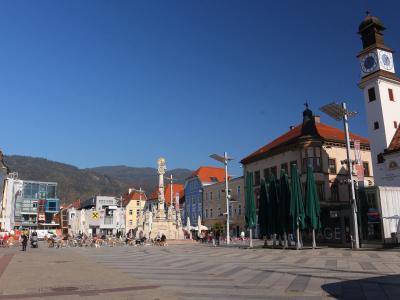
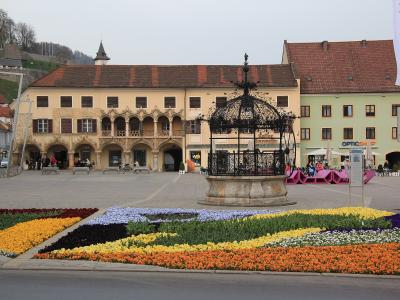
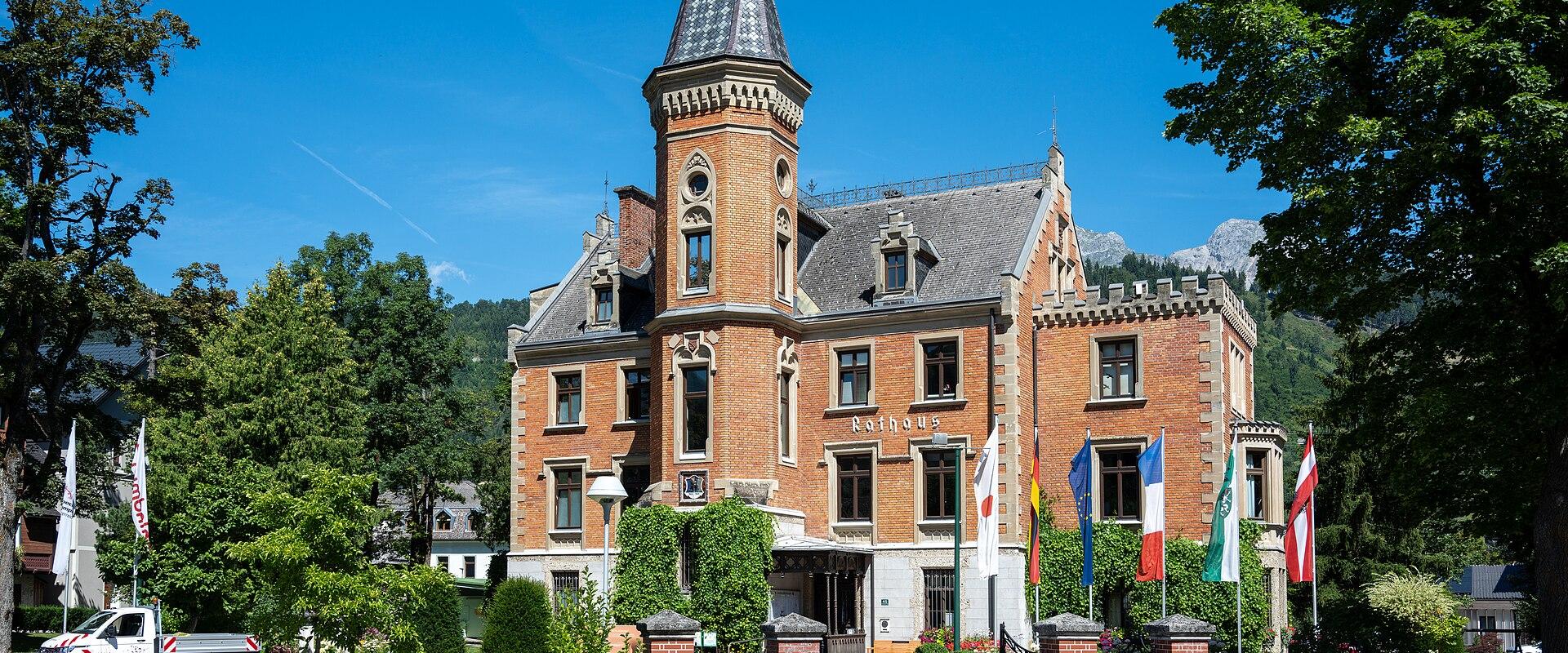
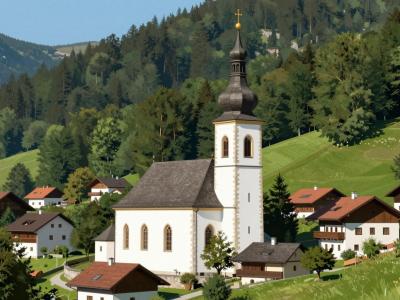
The town centre is a small pedestrian area around the Hauptplatz, the main square, with the Town Hall, the Rathaus, and colourful houses, and the Marktplatz is the social heart. Cafes, restaurants and shops line the streets, and the parish church of St. Leonhard, with a Gothic tower, stands on a rise above. The Schladming ice rink offers skating in winter, and a small alpine garden near the town displays local plants. Local traditions include the annual Schladminger Knappenfest, a miners' festival, and brass band concerts.
Food is Styrian and Ennstal cooking: Ennstaler Steirerkas, a pungent local cheese, Kasnocken, Backhendl and Käsekrainer sausages, with Kaiserschmarrn for dessert, and in Styria pumpkin seed oil appears on salads and soups. Mountain huts serve simple dishes with views.
The best times to visit are from December to March for skiing and from June to September for hiking, with September and early October clear and colourful. Spring is quiet.
Getting there is easy. Schladming has a railway station on the Ennstal line, with direct trains from Salzburg in about two hours and from Graz in about two and a half hours, and regional buses serve the ski areas. By car, the A10 Tauern motorway and the Ennstal road lead to the town, with Salzburg about an hour and a half away, Graz about two hours and Vienna about four hours. Ski buses connect the town with the lifts, and a ski pass includes them.
What to see in Schladming
Our picks first.
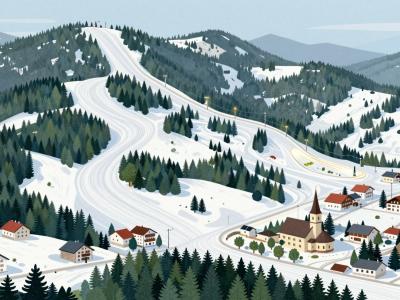
Schladming Ski Arena (Schladming-Dachstein-Ramsau)
Austrian four-mountain ski link hosting World Championships
Mountain Hiking · Ski Resorts
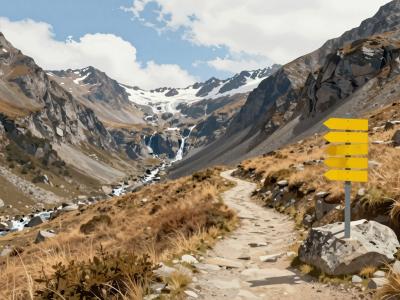
Local Alpine Hiking Trails
1,500km of trails and 300 alpine lakes
Free Alpine Lakes · Mountain Hiking
Schladming Ski Area (Schladming-Dachstein-Ramsau)
Former mining town hosting 1982 World Ski Championships
Free Cable Cars · Mountain Hiking
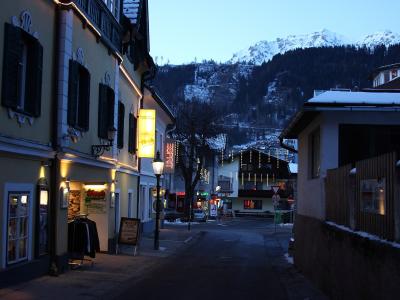
Schladming Town Square (Marktplatz)
Historic alpine market square in Schladming
City Centers · Old Towns
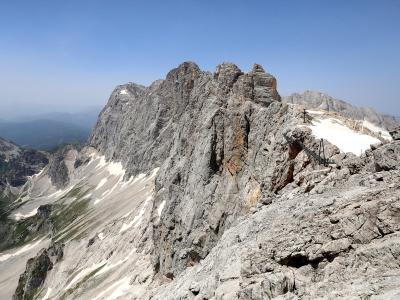
Dachstein Mountain (Dachstein)
Alpine glacier with skywalk, ice palace, and 360-degree v...
Adventure & Activities · Natural Wonders
Schladming Alpine Garden (Alpines Garten)
Alpine botanical garden in the Austrian Alps
Natural Wonders · Herb Gardens
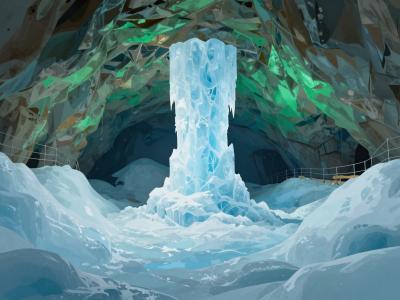
Schladming Ice Cave (Eishöhle)
Natural ice cave with frozen waterfalls
Glacial Caves · Local History
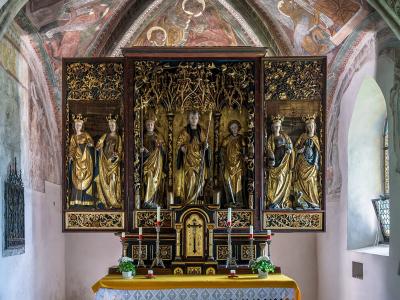
St. Leonard's Church (St. Leonhard)
17th-century baroque church in Schladming
Architectural Highlights · Historic Houses
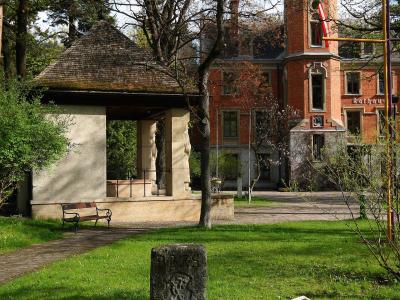
Schladming Town Hall (Rathaus)
Historic town hall in the Austrian Alps
Architectural Highlights · Historic Districts
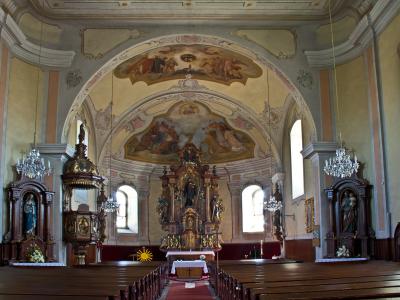
St. Leonhard Parish Church
14th-century church with intricate frescoes
Architectural Highlights · Local History
Schladming by interest
The same sights, grouped by what you came for.
Did you know?
Checked facts about Schladming, each with its source.
-
Sports
Schladming Has Hosted a Floodlit World Cup Slalom Since 1997
Since 1997 the Planai slope above Schladming has hosted The Nightrace, a floodlit FIS Alpine Ski World Cup slalom run after dark. Its 25th edition was held in January 2022, and in normal years tens of thousands of fans pack the finish area.
Source: Snow Sports News
Planning a visit to Schladming
Good to know
- Currency
- EUR
- Language
- German