- Admission
- Free admission
- Where
- Bregenz, Vorarlberg
- Directions
- Directions
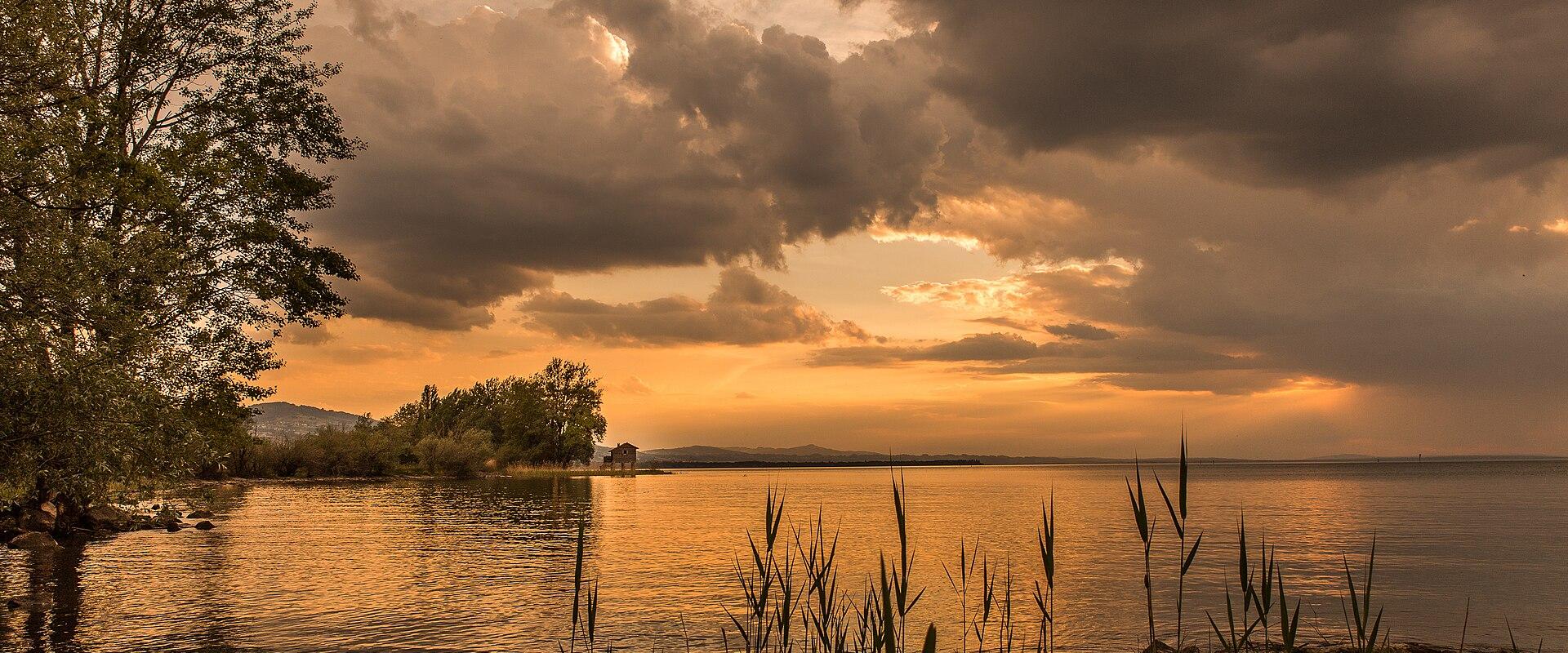
The Rheindelta is the delta where the Rhine flows into the Bodensee, Lake Constance, at the eastern end of the lake in Vorarlberg, and it is the largest wetland on the Austrian side of the lake. It covers about two thousand hectares of reed beds, wet meadows, alluvial forest, sandy and gravelly shores, and shallow bays, and it forms a mosaic of habitats that has become rare along the heavily developed shores of the lake. The area has been protected since 1976 and is a Ramsar wetland of international importance and a Natura 2000 site, and it spans the municipalities of Höchst, Fußach, Gaißau and Hard.
The delta is shaped by human intervention as much as by nature. The Rhine used to wander across a broad plain, flooding and shifting its bed, and in the nineteenth and twentieth centuries the river was straightened and diverted. Today the main flow goes through the Fußach cut, completed at the start of the twentieth century, while the Old Rhine to the north forms the border with Switzerland. Silt carried by the river continues to build up new land in the lake, so that the delta advances slowly into the water, and areas of different age show the stages of plant succession.
The main reason to come is the birdlife. Around 330 species have been recorded in the area, and the delta is an important breeding site, resting place and wintering ground for waterbirds. In spring and autumn, migratory waders and ducks stop to feed, in winter there are large numbers of ducks, grebes and geese on the lake, and in summer reed warblers and other songbirds nest in the reeds. Observation points and paths allow visitors to see the birds without disturbing them, and binoculars make the experience far richer. The visitor centre, the Rheindeltahaus, is open on weekends in the season, and the nature centre in Dornbirn, inatura, manages the reserve and offers guided tours and information.
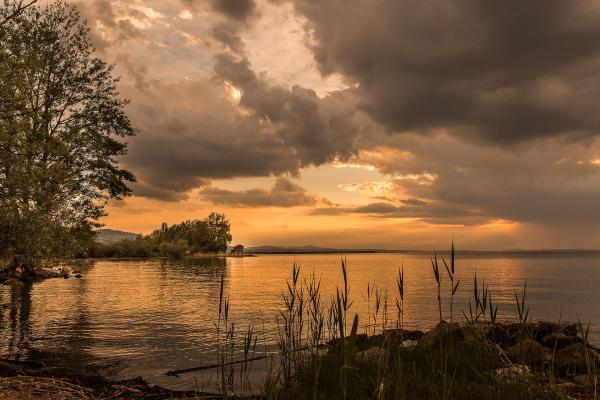
Strict rules protect the habitats. Visitors must stay on marked paths, avoid the closed water areas, take their rubbish away, use only the designated fire places and keep dogs on a lead. Parking close to the water is restricted, and the best way to reach the paths is by bike or on foot from Fußach or Hard. The paths from the forest to the shore lead to wide views across the lake to the Swiss mountains, and in misty weather the reed beds have an atmospheric, almost mysterious quality.
The reserve is free to enter and can be combined with a trip to Bregenz, a few kilometres away. Allow two to three hours for a walk and some birdwatching.
Categories
More photos coming soon
Admission Fees
- Admission
- Free admission
Hours and prices change, especially out of season. Check with the venue before you go.
Nearby Attractions
Other places to visit in Bregenz
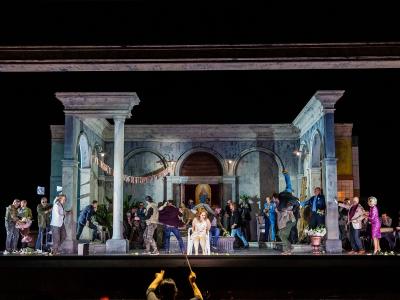
Bregenz Festival (Bregenzer Festspiele)
Opera on a floating stage in Lake Constance
Museums & Art · Urban Exploration
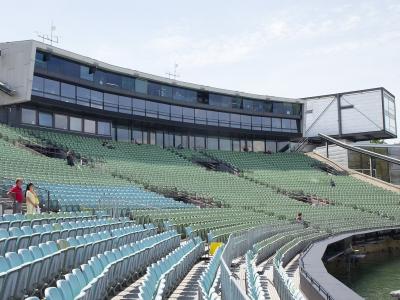
Seebühne Bregenz
Floating opera stage on Lake Constance
Alpine Lakes · Architectural Highlights
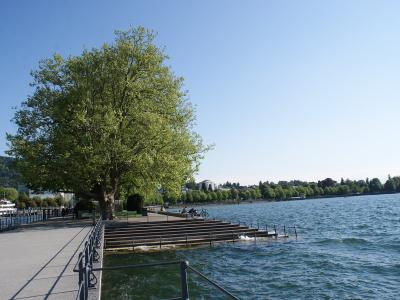
Bregenz Old Town
Historic village in Bregenz district, Vorarlberg
Architectural Highlights · City Centers
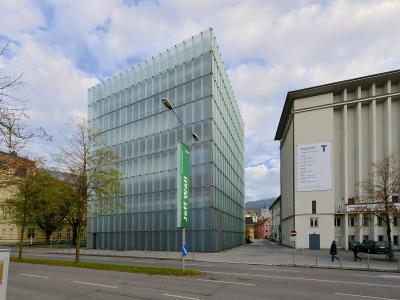
Kunsthaus Bregenz
Contemporary art museum in a glass cube
From €12 Museums & Art · Urban Exploration
Questions people ask
Quick Facts
Best Time to Visit
Visit from late June to early September for warm weather and the Bregenz Festival, or spring/autumn for mild sightseeing.