- Where
- Salzburg, Salzburg
- Directions
- Directions
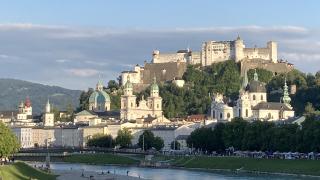
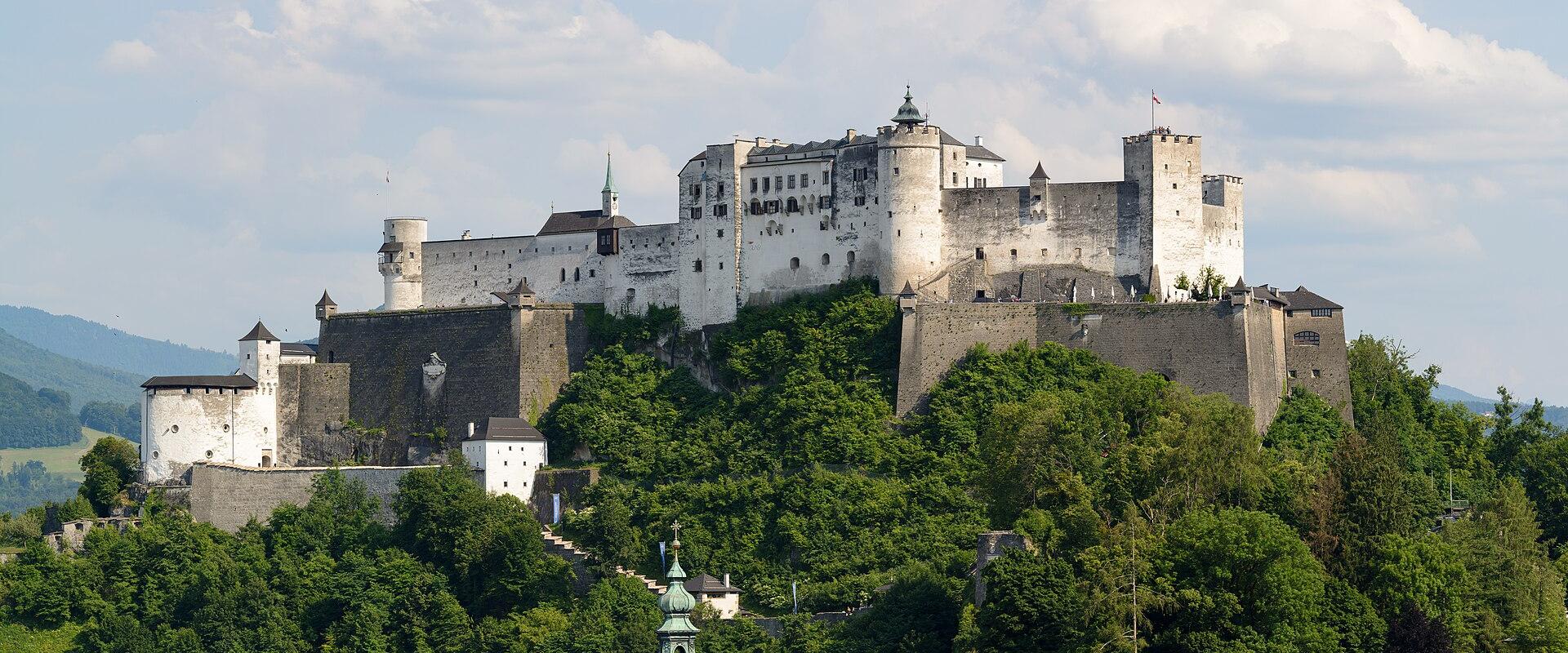
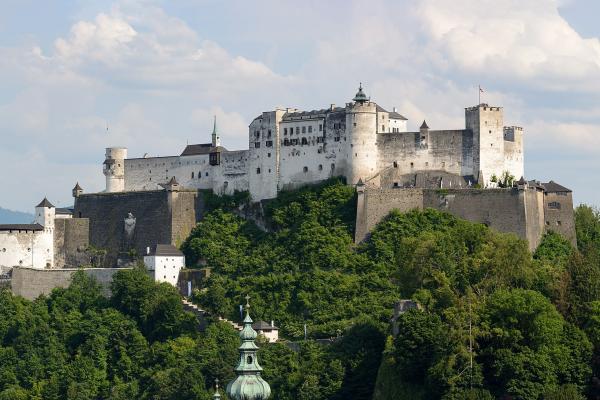
Hohensalzburg Fortress, called Festung Hohensalzburg in German, sits on the Festungsberg above Salzburg's old town and is visible from almost everywhere in the city. It is one of the largest fully preserved medieval fortresses in Europe. Construction began in 1077 under Archbishop Gebhard, during the conflict between pope and emperor, and the complex grew over the centuries as the Prince-Archbishops of Salzburg strengthened and enlarged it. The most significant expansion came around the turn of the sixteenth century under Archbishop Leonhard von Keutschach, who gave the fortress much of the form it has today.
The fortress was built to protect its rulers rather than to impress, and it has the thick walls, bastions and narrow courtyards of a real stronghold. It was never successfully taken by force, which helps explain why so much of the medieval fabric survives. Visitors usually arrive by the Festungsbahn funicular, which climbs from the foot of the hill in a few minutes, though a steep footpath also leads up from the old town for those who prefer to walk.
Inside, the Prince's Chambers are the standout. The Golden Hall and Golden Chamber are richly decorated late Gothic rooms with carved and painted ceilings, a sign of how comfortable the archbishops intended to be behind their defences. Elsewhere you can see weapons, instruments of justice, and the Fortress Museum, along with rooms devoted to the history of the local Rainer Regiment. Among the more curious exhibits is the so-called Salzburg Bull, a mechanical organ that has been sounding at the fortress since the Renaissance and still plays at fixed times. The Reisszug, a very early rope-hauled funicular used to supply the castle, can also be seen.
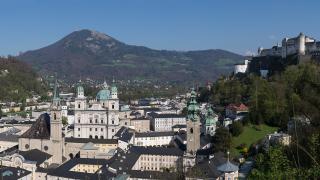
The views are a major reason to climb. From the ramparts you look across the rooftops and church spires of the old town, the Salzach river and the Alpine foothills beyond. Kapuzinerberg rises on the opposite bank, and on clear days the mountains toward Bavaria and the Tennengebirge stand out sharply.
Plan on two to three hours to cover the rooms and walk the ramparts. The fortress is a good partner to a walk through the old town, where Mozart's Birthplace, St. Peter's Cemetery and the Mirabell Gardens can fill the rest of the day. Families with children usually enjoy it, and the audio guide helps make sense of the layers of building history.
Categories
More photos coming soon
Nearby Attractions
Other places to visit in Salzburg
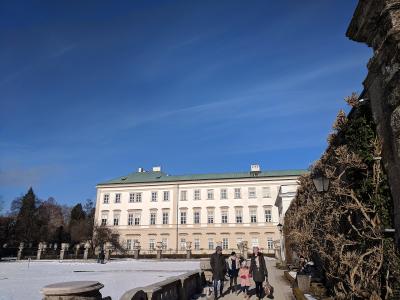
Mirabell Gardens
Baroque gardens with terraced fountains and palace views
Architectural Highlights · City Centers
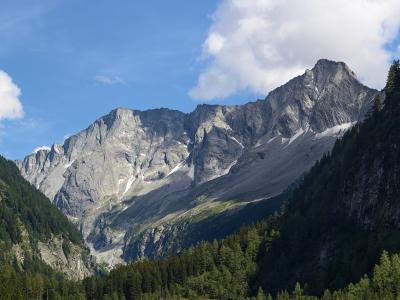
Hohe Tauern National Park
Central Europe's largest national park, home to the Großg...
Mountain Hiking · National Parks
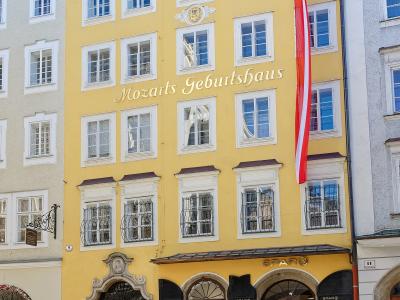
Mozart's Birthplace (Mozarts Geburtshaus)
Mozart’s 18th-century home in Salzburg
History & Heritage · Museums & Art
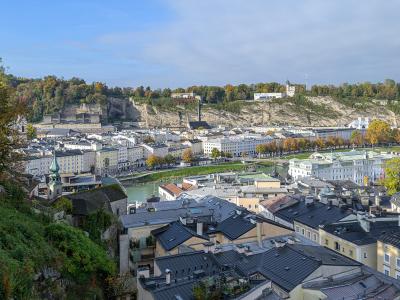
Kapuzinerberg (Monk's Mountain)
Forested hill with active Capuchin monastery
Free History & Heritage · Natural Wonders
Questions people ask
Quick Facts
Best Time to Visit
The best time to visit Salzburg is from May to September for mild weather and outdoor activities, or December for festive Christmas markets.