- Where
- Upper Austria, Upper Austria
- Directions
- Directions
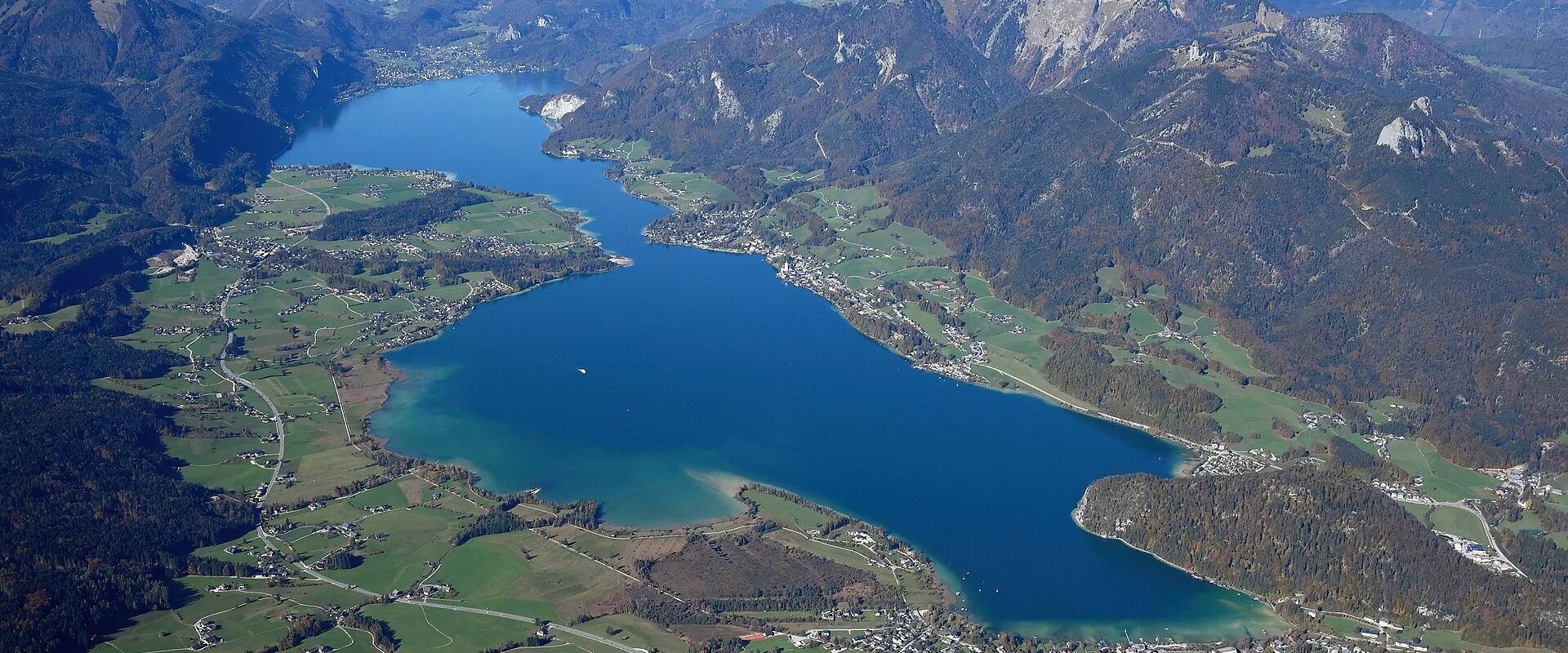
The Salzkammergut is a famous lake and mountain region in the north of the Alps, spread across parts of Upper Austria, Salzburg state and Styria. Its name, which can be translated roughly as salt estate, refers to the imperial salt-mining estate that once governed the area, and salt has shaped the region's economy and its settlements for thousands of years. Today it is best known for its scenery: dozens of clear lakes, usually counted at around seventy, sit among forested hills and limestone peaks, and the water often appears blue-green in sunlight.
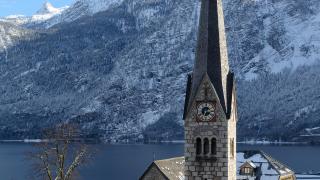
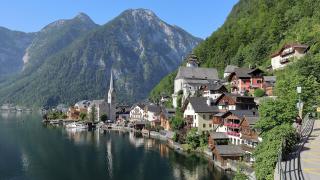
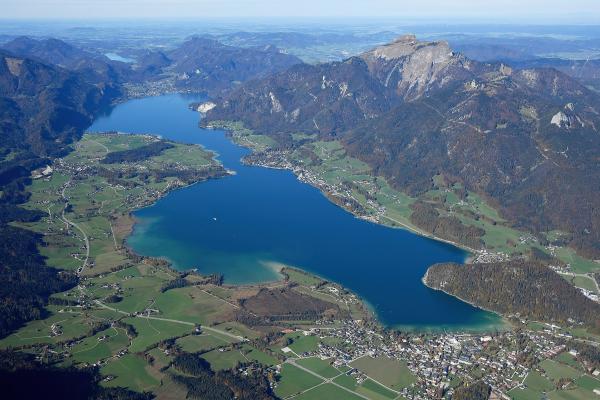
The lakes are the main draw, and each has its own character. The Traunsee is the deepest in Austria and is overlooked by the steep Traunstein. The Attersee is the largest and a favourite for sailing, while the Wolfgangsee is famous for the village of St. Wolfgang and its pilgrimage church. The Mondsee is among the warmest and has a lively old town, and the Hallstätter See holds the village of Hallstatt, a UNESCO World Heritage site and one of the best known sights in the country. Many of the smaller lakes are quiet and good for swimming and walking.
History is just as important as scenery. Bad Ischl was the summer residence of Emperor Franz Joseph I, and the imperial villa there is a reminder that the region was once the favourite retreat of the Habsburg court, attracting aristocrats, composers and writers. That tradition of elegant summer holidays still gives many of the towns a gently nostalgic atmosphere. Bad Ischl, together with the surrounding region, was a European Capital of Culture in 2024.
The mountains offer plenty of activity. The Dachstein massif rises at the southern edge, and attractions such as the 5Fingers viewing platform on the Krippenstein, with its steel arms that extend over the abyss, draw many visitors. The Schafberg, reached by a rack railway or cable car from the Wolfgangsee area, gives a wide view across several lakes. Walkers, cyclists and kayakers will find routes of every difficulty, and in winter the region offers skiing and snowshoeing.
A regional visitor card gives discounts on cable cars, boat trips and museums, which is worth considering if you plan several excursions. Summer weather can be changeable, with sudden showers, so pack for rain even on sunny days. The region suits families, walkers, cyclists and travellers who enjoy quiet lakeside towns, and it is most pleasant outside the peak weeks of July and August.
More photos coming soon
Nearby Attractions
Other places to visit in Upper Austria
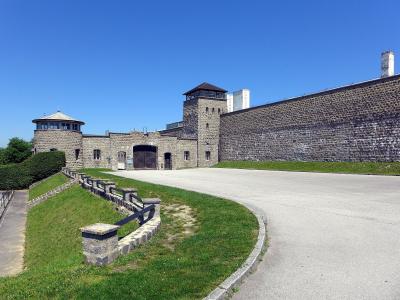
Mauthausen
Former Nazi camp with the Stairs of Death
Free History & Heritage · Museums & Art
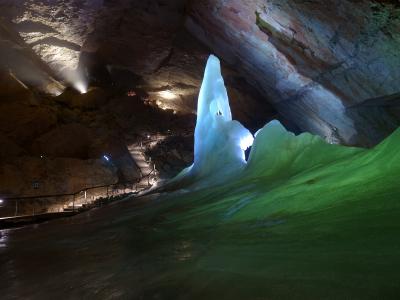
Dachstein Giant Ice Cave (Dachstein Rieseneishöhle)
Europe's largest ice cave with 9m ice mountain
Natural Wonders · Glacial Caves
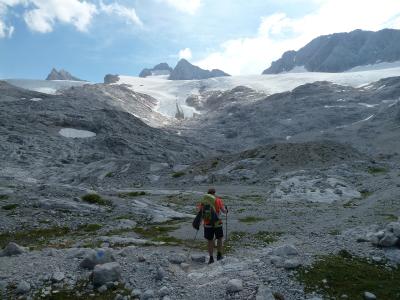
Dachstein Glacier
High-altitude glacier with skywalk and ice palace
Adventure & Activities · Museums & Art
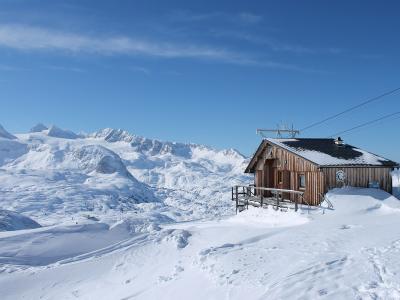
Dachstein Krippenstein
UNESCO site with 5Fingers platform and ice caves
Cable Cars · Glacial Caves
Questions people ask
Quick Facts
Best Time to Visit
Visit from May to October for mild weather ideal for hiking and lake activities, avoiding peak summer crowds in May or September.