- Where
- Melk, Lower Austria
- Directions
- Directions
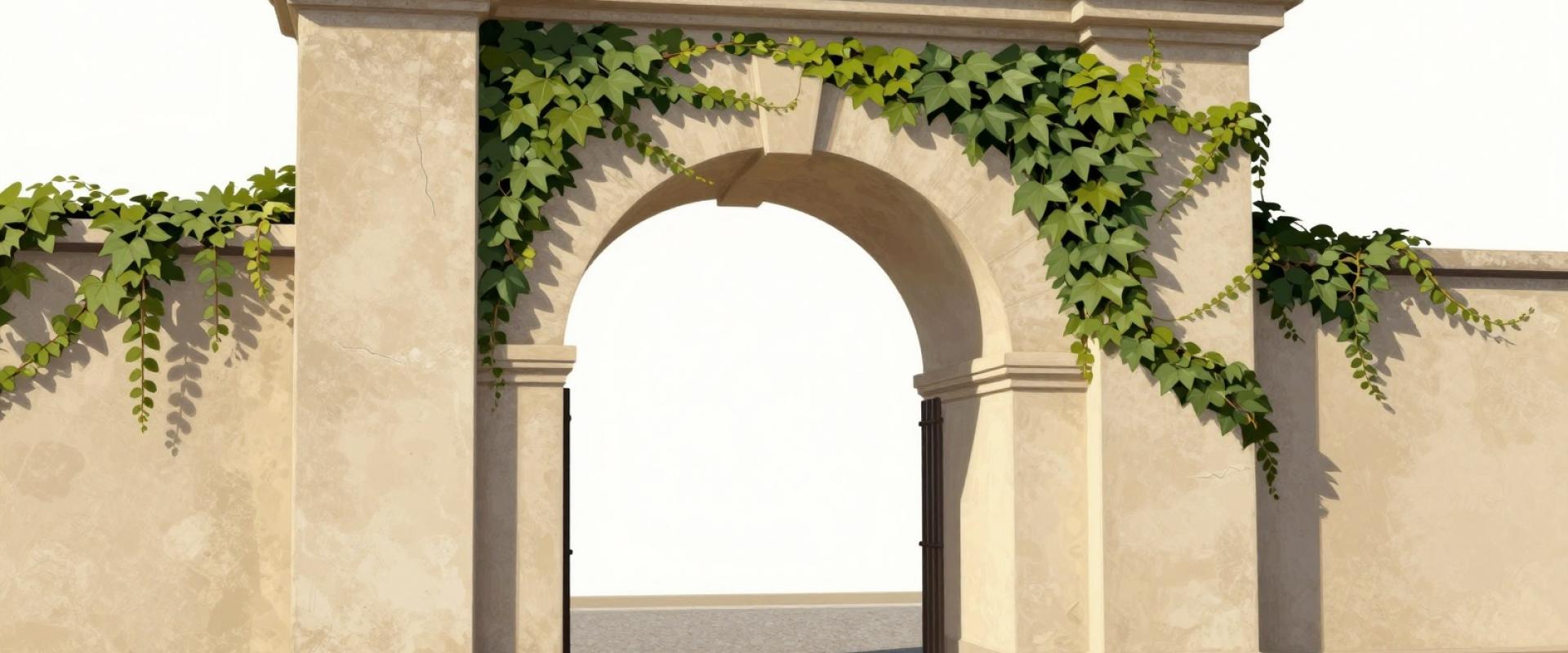
The Sandtor, or Sand Gate, is a surviving piece of the medieval defences of Melk, the small town on the Danube in Lower Austria that is best known for its enormous Baroque abbey. Before the abbey became the main attraction, Melk was a fortified town, and the gates in its walls controlled who could enter and leave, collected tolls and protected the inhabitants against attack. Most of the walls have long since disappeared or been absorbed into houses, but the Sandtor remains as one of the clearest reminders of that earlier period, and it gives a taste of the town's past that is quite different from the grandeur of the abbey above.
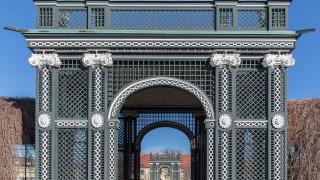
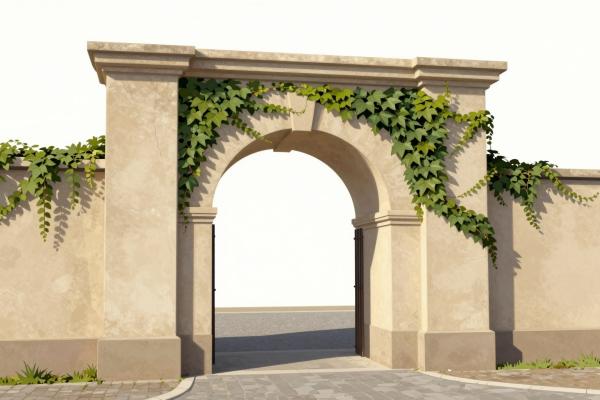
The gate is plain and sturdy. Unlike the ornate Baroque buildings that dominate much of the modern townscape, it has the austere, practical look of a defensive structure, with thick masonry and a simple arched passage through which people have walked and driven for centuries. It stands in the old part of town and is woven into the streets, so you may walk through it without noticing at first. It is not a museum and has no interior displays, so its interest lies in the structure itself and in the way it helps to explain the layout of the town. Seen in this light, the gate shows the boundaries within which Melk grew, and it invites reflection on how medieval towns were organised.
Melk has a lot to see within a few minutes' walk. The abbey, a Benedictine monastery on a rock above the Danube, is one of the greatest Baroque buildings in Europe, with a magnificent church, library and marble hall, and it is the reason most visitors come. The town square, lined with pastel-coloured houses, and the parish church of the Assumption give the centre a lively atmosphere, and a house associated with the Nibelungenlied, the medieval epic, adds a literary angle. The Danube cycle path runs beside the town, and the Wachau valley, famed for its wine and apricots, begins just upstream.
For visitors interested in history, a walk that includes the Sandtor and the surviving sections of the walls can fill an hour and give a feeling for medieval Melk before the abbey took over the skyline. There are cafes and inns nearby for a break.
The gate can be seen at any time, free of charge. It suits history lovers, photographers and visitors who like to look for the small details of a town.
Categories
More photos coming soon
Nearby Attractions
Other places to visit in Melk
Haus Am Stein
Historic house museum in Melk, Austria
Architectural Highlights · Historic Houses
House To The Nibelungenlied
Historic house linked to the Nibelungenlied
History & Heritage · Museums & Art
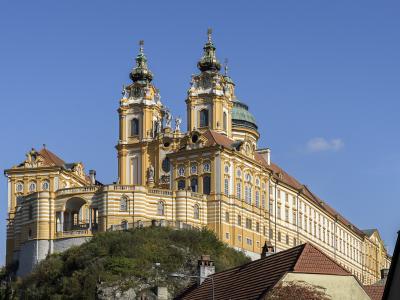
Melk Abbey
Baroque Benedictine monastery in Melk, Austria
Architectural Highlights · Historic Palaces
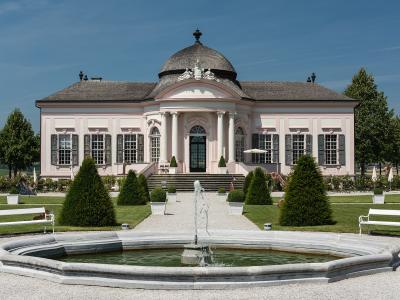
Melk City Park
Baroque abbey park in Melk, Austria
History & Heritage · Urban Exploration
Questions people ask
Quick Facts
Best Time to Visit
Visit from mid-June to early September for warm weather ideal for wine tasting and hiking in the Wachau Valley.