- Where
- St. Wolfgang, Upper Austria
- Directions
- Directions
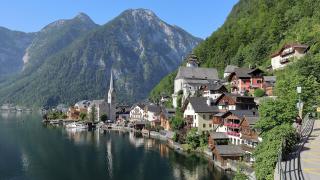
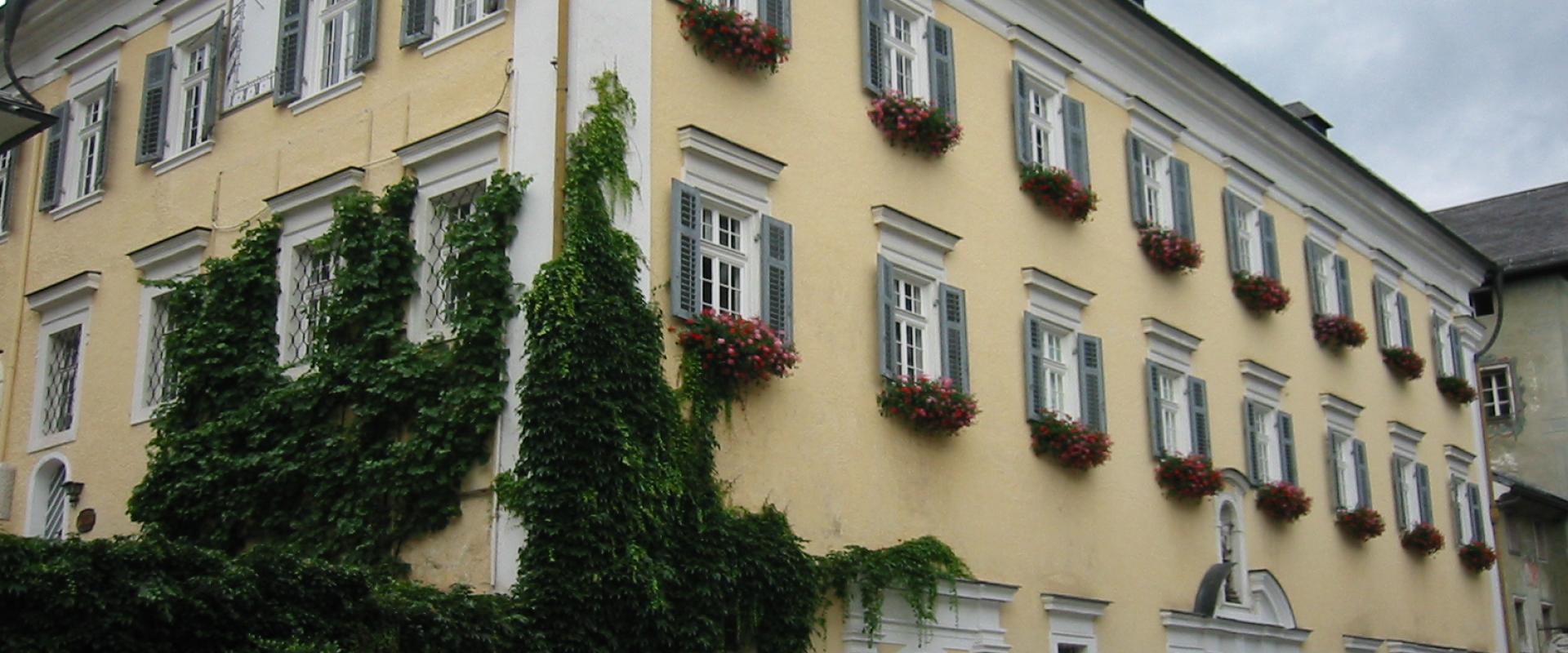
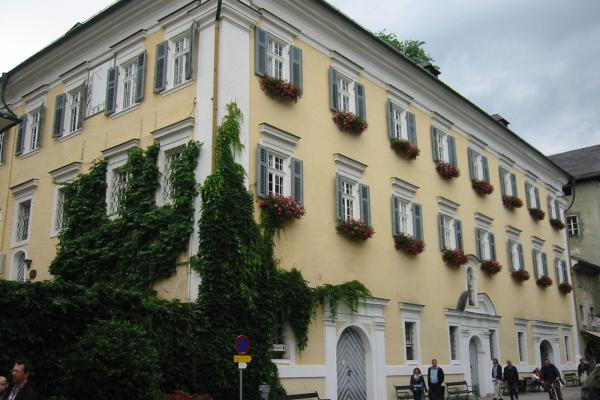
St. Wolfgang is a small village on the northern shore of the Wolfgangsee, in the Salzkammergut of Upper Austria, and the buildings along its lakefront are among the most photographed in the region. The white-fronted house at the water's edge, which many visitors associate with the village, is best seen as one element in the larger picture of the lakeside, where the pilgrimage church, the hotels, the boat landing stage and the mountains all come together. The building lies close to the church, and is only a few minutes from the quay where the lake boats call.
The village owes its character to centuries of pilgrimage. According to tradition, the hermit Wolfgang, a bishop of Regensburg in the tenth century, lived for a time on the lake, and the place became one of the most important pilgrimage destinations in the Alps in the Middle Ages. Pilgrims came to the church, which contains a late Gothic altarpiece by Michael Pacher, and they needed food and lodging, so the first inns and guesthouses were established. The tradition of hospitality that began with the pilgrims still shapes the village today, and the white-fronted inn on the waterfront is linked to the operetta White Horse Inn (Im weißen Rößl), which brought the village international fame in the 1930s.
The interior of the building is mainly used as a restaurant and hotel, so access is limited to guests, and for most visitors the experience is of the exterior and the terrace. Sitting by the lake with a coffee or a meal and watching the boats arrive is the main pleasure. The surrounding area is full of options. A path leads along the shore to the lido at Appesbach Strand, the lake boats run to St. Gilgen and Strobl, and the Schafbergbahn, a cog railway, climbs from the village to the summit of the Schafberg for a wide panorama over the lakes of the Salzkammergut. The pilgrimage church and its tower are covered separately.
The village is at its busiest in July and August, with day trippers arriving by boat and bus, so the early morning or late afternoon offers a quieter experience. In spring and autumn, the lake and the mountains have a different charm, and in winter the village is calm, with a small Advent market that is popular in December.
St. Wolfgang is easy to reach from Salzburg and Bad Ischl, and it works well as a half-day trip or as a base for several days. Combine the waterfront with the church and a boat trip for a full impression.
Categories
More photos coming soon
Nearby Attractions
Other places to visit in St. Wolfgang
Lake Wolfgang (Wolfgangsee) Boat Tour
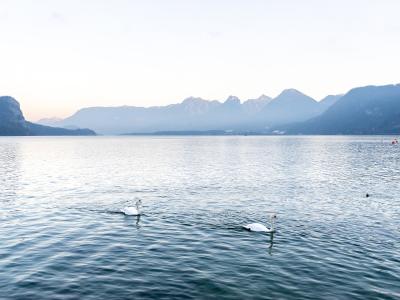
Historic lake steamship tours in St. Wolfgang
Natural Wonders · Transportation Heritage
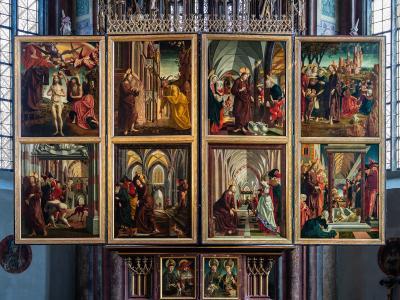
St. Wolfgang's Pilgrim Church (Wallfahrtskirche St. Wolfgang)
Largest village church in St. Pölten diocese
Free Architectural Highlights · Historic Houses
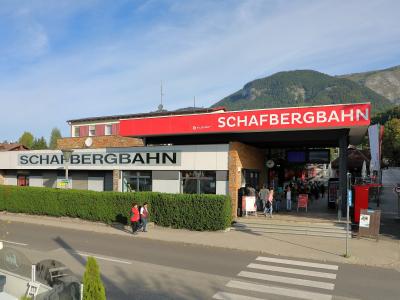
Schafbergbahn
Austria's steepest historic steam cog railway
Historic Railways · Mountain Hiking
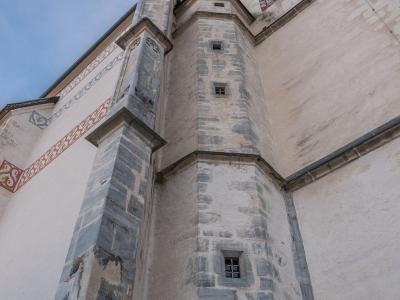
St. Wolfgang's Church Tower (Turm)
13th-century Gothic church tower in St. Wolfgang
Architectural Highlights · Local History
Questions people ask
Quick Facts
Best Time to Visit
Austria enjoys a Mediterranean climate with warm summers and mild winters, making it ideal for visiting year-round.