- Where
- Schwaz, Tyrol
- Directions
- Directions
The Silberbergwerk Schwaz lies on the hillside above the town of Schwaz in the Inn valley in Tyrol, and it is a surviving part of what was once the largest silver mining area in Europe. In the fifteenth and sixteenth centuries, the mines of the Schwaz district produced huge amounts of silver and copper, and local people called the district the Mother of All Mines. At the height of the boom, several thousand miners worked underground, and the town became one of the largest in the Habsburg lands, with a population rivalling that of Innsbruck. The wealth flowed to the Habsburg rulers and to banking families such as the Fugger of Augsburg, who financed their activities with the proceeds of Tyrolean silver, and it helped to shape the politics and economy of Europe in the age of Emperor Maximilian I and Charles V.
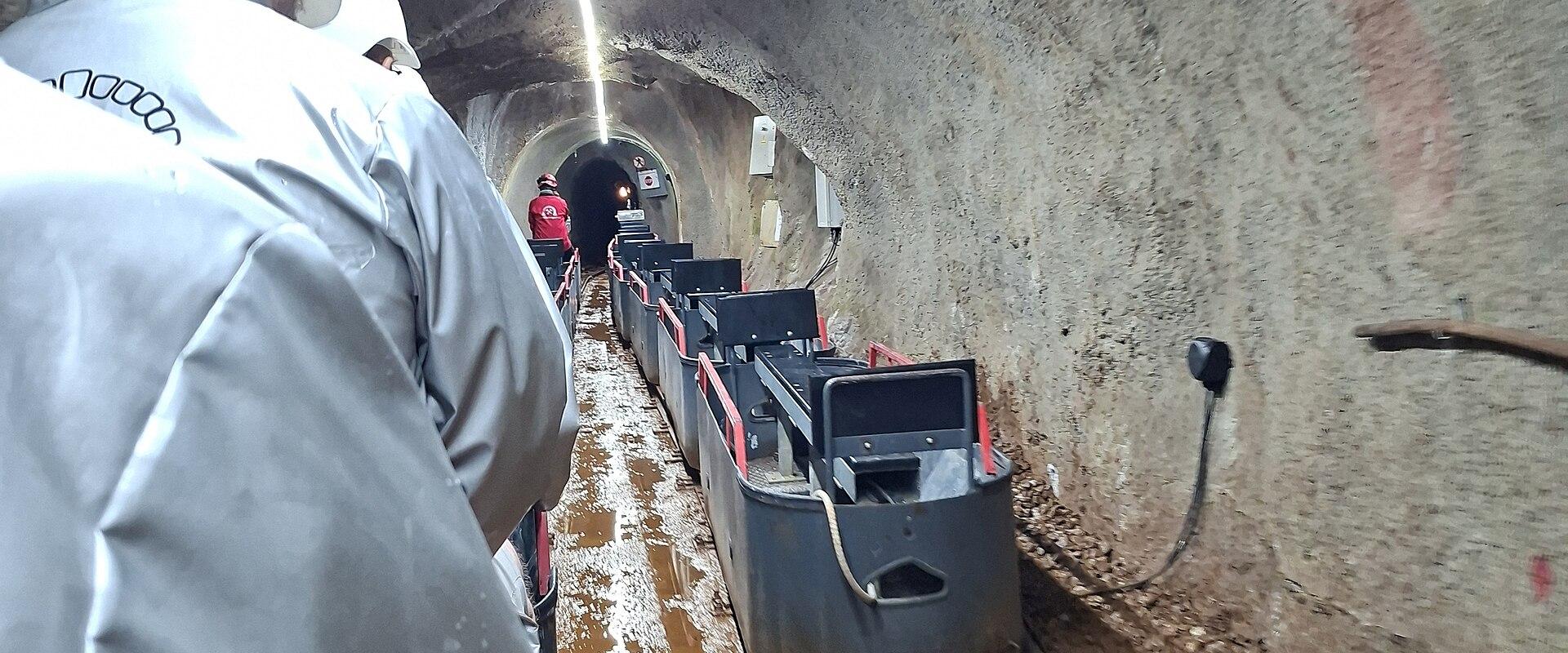
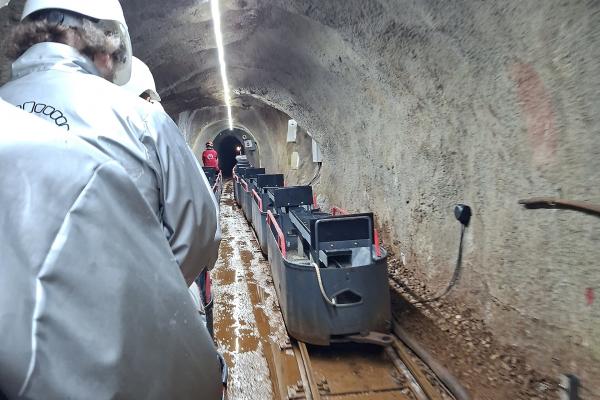
A visit to the mine takes visitors back to this world. The tour starts with a ride on a small mining train that carries groups deep into the mountain, which saves a long walk along the tunnel and gives a taste of the dark, damp conditions underground. Guides then lead the group through galleries and chambers where the work of the medieval miners is explained. You see tools, timbering, the stepped shafts that were dug by hand with hammer and chisel and the sections where miners lay on their sides to work narrow seams. Displays and models show how ore was extracted, transported and processed, and the guides describe the dangers, the long hours and the social life of the mining community. The tour lasts around an hour and a half, and the temperature underground stays cool throughout the year, so a warm jacket is advisable.
Above ground, the site includes a museum area with exhibits on mining history and the wider story of the silver trade, and some parts of the complex are especially suitable for visitors with accessibility needs or allergies because of the clean mountain air. The mine also has a role in education, with programmes for school groups.
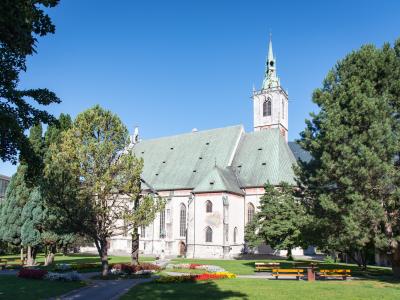
The town of Schwaz has other sights that reflect its past wealth. The parish church of the Assumption, one of the largest Gothic churches in Tyrol, is famed for its double nave, built with funds from the miners, and the Franciscan monastery and the Renaissance castle of Freundsberg add to the heritage.
Tours run on a regular schedule, and booking ahead is wise in the busy season. The mine suits families, history lovers and anyone who wants to know how Tyrol became rich.
Categories
More photos coming soon
Nearby Attractions
Other places to visit in Schwaz
Questions people ask
Quick Facts
Best Time to Visit
Visit from May to October for mild weather ideal for hiking and exploring the silver mine.