Schwaz
Historic mining town in Tyrol with silver mine and monastery
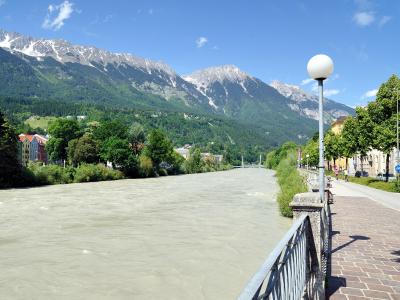
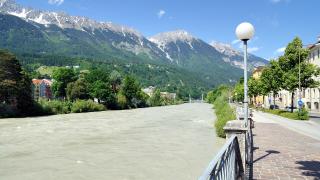
Schwaz, in the Tyrol of Austria, lies on the right bank of the Inn, and Schwaz's Old Town stands close to the river, about 30 kilometres east of Innsbruck, at the entrance to the Zillertal. The mountains behind it are riddled with old galleries: from the fifteenth century, rich deposits of silver and copper were worked here, and the mining industry boomed after new techniques allowed deeper shafts. At its height around 1500, Schwaz had some 20,000 inhabitants and was the largest mining centre in Europe, with perhaps 10,000 miners, and its output of silver financed the Habsburg emperors. The mines were nicknamed the Mother of All Mines, and the wealth of the Habsburg rulers of the Holy Roman Empire, as well as the road network across the Alpine Pass routes, rested on them.
The Fugger family of Augsburg, among the richest bankers of the age, controlled much of the mining trade and lent huge sums to Emperor Maximilian I and Charles V, and the surplus built churches, houses and a prosperous town. The boom declined in the sixteenth century as the veins ran thin and cheaper silver arrived from the Americas, and Schwaz returned to being a regional market town.
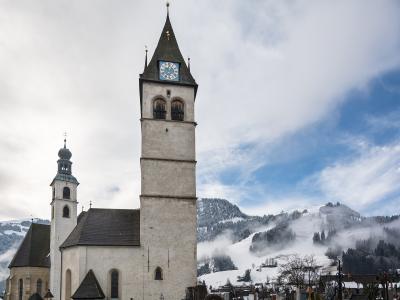
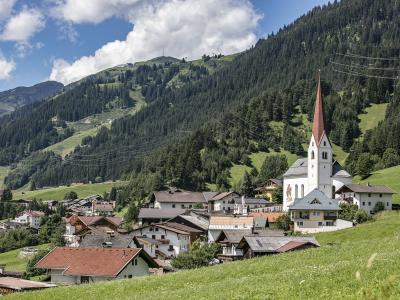
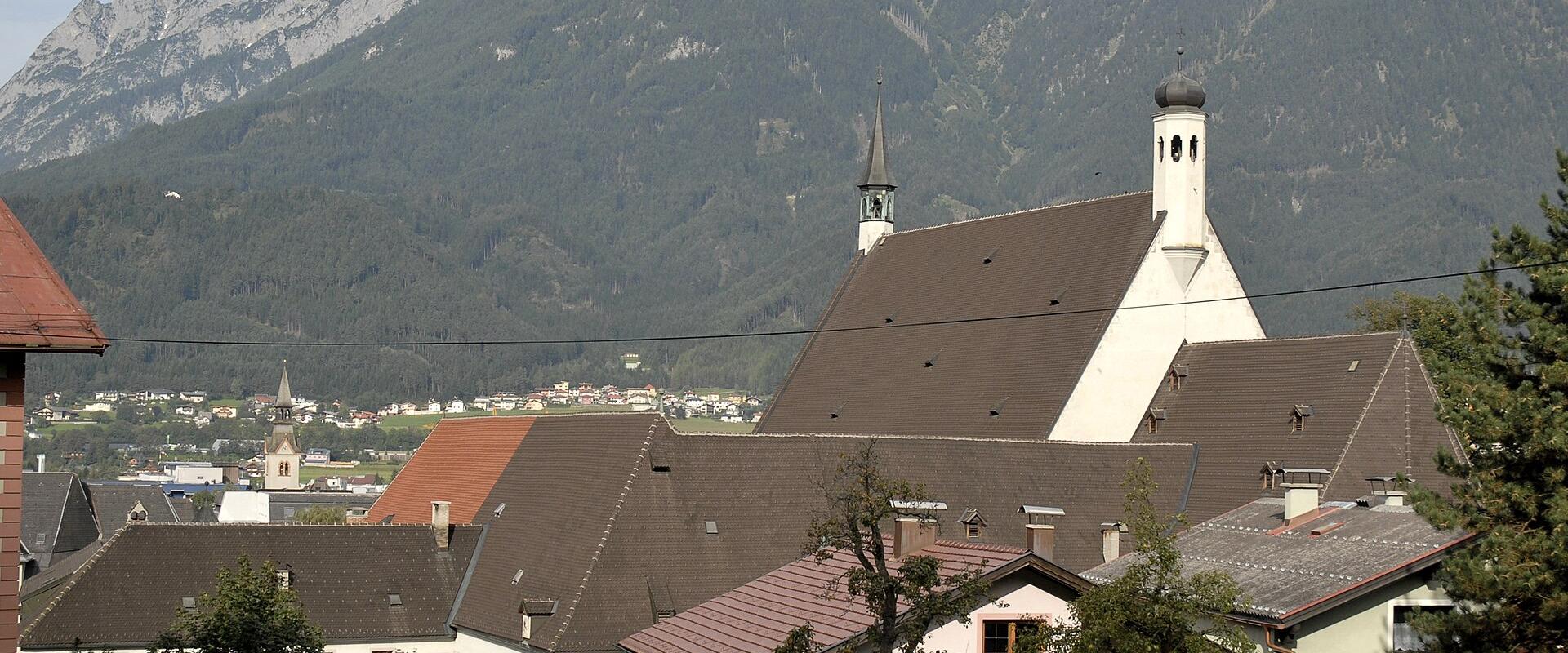
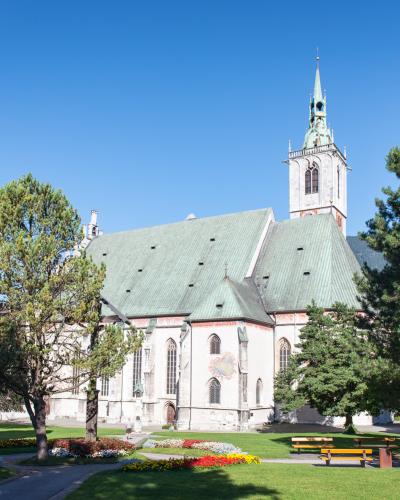
The finest monument of that wealth is the parish church, the Pfarrkirche Maria Himmelfahrt, the Church of the Assumption. It is the largest late Gothic hall church in Tyrol, with a double nave, wide vaults and tall windows, and it was financed by miners' guilds. The interior contains altars, a Gothic font and wall paintings, and its steep roof, among the most striking in the Alps, stands out in views of the town. Next to it stands the Franciscan Monastery, founded in 1507 on the orders of Maximilian I, with a cloister that preserves rare Gothic frescoes and a church of the monks. Both are well worth an hour.
The town centre has a pedestrian zone lined with houses decorated with painted façades, oriel windows and Renaissance gables, and a good number of cafes. Strolling past the old merchants' houses, you can find the Fugger House and other buildings associated with the bankers. A small museum in the Haus der Völker, devoted to ethnology, offers a surprising contrast, with objects from many cultures.
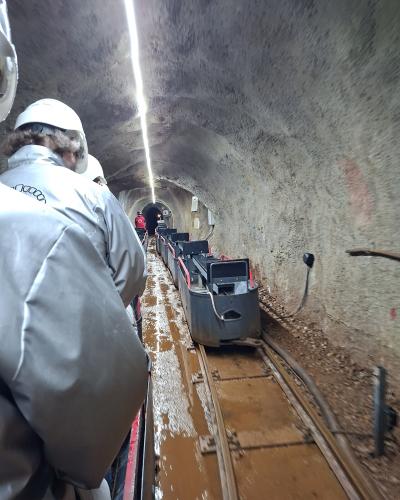
Above the town, the Schwazer Silberbergwerk, the Silver Mine, welcomes visitors. Tours start with a ride on a miners' train into the mountain, followed by a walk through galleries that show how the ore was cut and transported, with guides explaining the lives of miners. The temperature underground stays around 10 degrees, so wear warm clothing. The mine is one of the main attractions of the region and can be combined with a visit to the town.
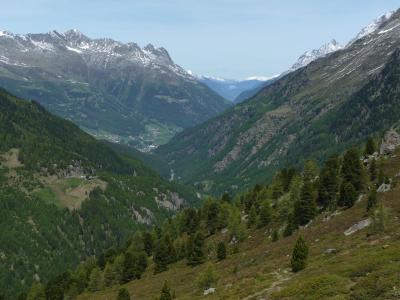
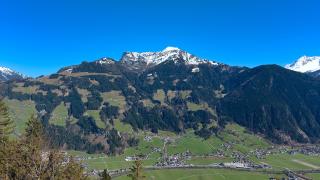
The mountains offer more. The Kellerjoch, a peak of about 2,300 metres, is reached by a Cable Car from Schwaz, and trails lead to alpine pastures and huts with views across the Inn Valley to the Karwendel and the Zillertal Alps. In winter, small Ski areas and a Lift such as the Arzberg lift above the town, offer family skiing, and cross-country trails run through the valley.
The Inn cycle path passes through the town, and the Zillertal, with its railway and its resorts, is just to the south-east. Innsbruck, with its Golden Roof and Nordkette cable car, is less than half an hour away; the Kellerjoch Cable Car above Schwaz is another option; the old town centre has a pedestrian zone, and a market is held there on some days.
A Christmas Market fills the old town in Advent, with August and summer concerts as the other seasonal peak, and local festivals and concerts are held in summer. Food is Tyrolean: Kasnocken, Tiroler Gröstl, dumplings and apple strudel, plus local beer.
The best time to visit is from May to October for walking, with spring and autumn quiet and clear. In winter, the Advent market is the draw, and the mine runs in the cold season too.
Getting there is easy. Schwaz lies on the main railway between Innsbruck and Salzburg, with regional trains from Innsbruck in about 20 minutes, and the Zillertalbahn starts from nearby Jenbach. By car, the A12 Inntal Autobahn passes the town, and Munich is about two hours to the north, with the Brenner route to Italy to the south from Innsbruck. The town is also reachable from Salzburg in about two hours.
Best Time to Visit
Visit from May to October for mild weather ideal for hiking and exploring the silver mine.
Plan Your Visit to Schwaz
Essential travel tips and information for your trip to Schwaz.
Suggested Itineraries
Travel Tips
Currency
EUR • Cards widely accepted
Language
German • English in tourist areas
WiFi
Free WiFi in cafes and hotels
Explore Schwaz by Interest
Discover attractions and experiences in Schwaz organized by your interests and travel preferences.
All attractions in Schwaz
Sorted by our recommendation score
Quick Facts
Book your stay
Frequently Asked Questions
More destinations in Tyrol
Explore other amazing places in the Tyrol region