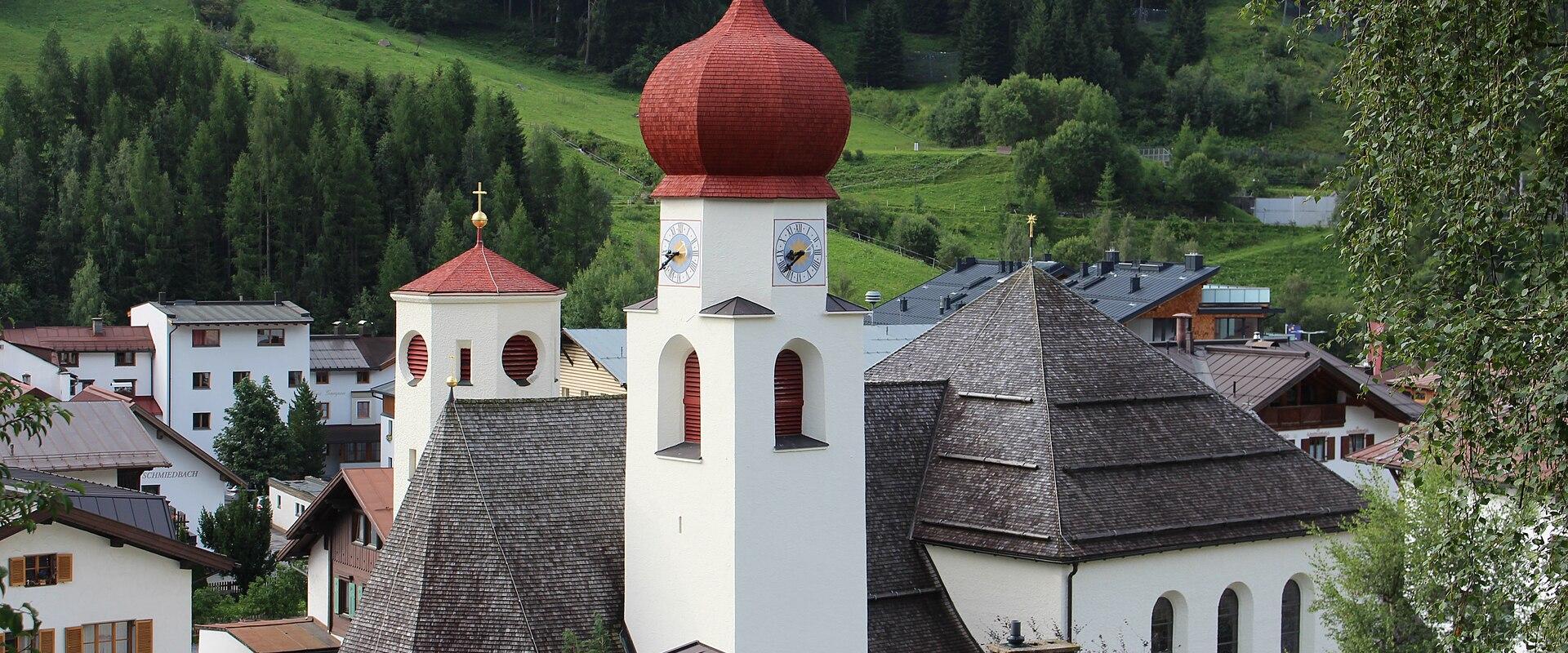
St. Antönien Church (St. Antonius Church)
Baroque parish church in St. Anton, Tyrol
- Where
- St. Anton Am Arlberg, Tyrol
- Directions
- Directions
The parish church of St. Anton am Arlberg is dedicated to Saint Anthony of Padua, the saint who gave the village its name, and it is one of the few buildings in the resort that tells the story of the place before skiing. The church stands in the centre of the village, close to the shops and lifts, and it belongs to the Zams deanery of the Diocese of Innsbruck. For many people, the village is known only for its après-ski and its ski runs, but the church reminds them that this was once a quiet farming community on a pilgrim and trade route over the Arlberg Pass, with a chapel to Saint Anthony for the benefit of travellers and local farmers.
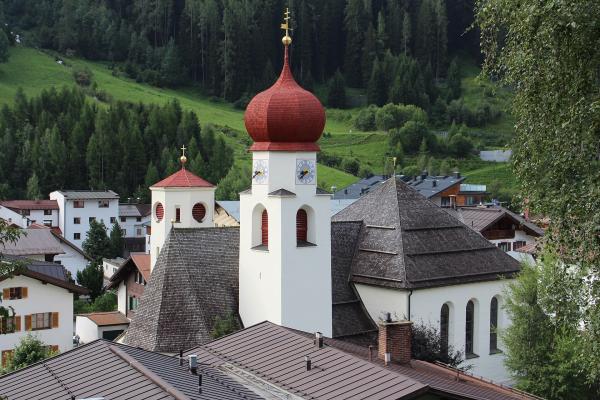
The building is Baroque in origin, with a whitewashed exterior, a steep roof and a tower with a shingled or copper-clad spire that is easily visible from the village street. The Baroque style came to the Alps in the seventeenth and eighteenth centuries, and it brought a taste for bright, richly decorated interiors that contrasted with the austere stone exteriors. The church is also associated with the Virgin Mary, to whom a secondary dedication is given, and the Franciscan saint, Francis, which adds to the layers of devotion found in the building. In this way, the church reflects the typical mixture of local saints and patrons seen in Alpine parishes.
A notable feature of the church's history is the work of Clemens Holzmeister, the Tyrolean architect who became one of the most important Austrian architects of the twentieth century. Holzmeister, born in the Tyrol and known for designing the Salzburg Festival Hall and many public buildings in Austria and Turkey, was also involved in church architecture, and he is credited with significant additions to the church in St. Anton. His work gives the building a distinctive character, since it combines the old Baroque core with a restrained twentieth-century hand, and it is a good example of the way Alpine churches grew over time as villages expanded with the arrival of tourism.
The church is an active place of worship, and it plays a role in the life of the village, with services, weddings and festivals. Visitors are welcome at times when it is open, but should dress modestly and be quiet, particularly during services. The interior usually rewards a short visit with its altars, paintings and quiet atmosphere, which contrast with the energy outside.
The church is close to the ski museum and the village centre, so it fits easily into a short walk. A visit takes about fifteen minutes. It suits those interested in Tyrolean church architecture and in the history of the village.
Categories
More photos coming soon
Nearby Attractions
Other places to visit in St. Anton Am Arlberg
Kreuzjoch
High-altitude pass and ski area in the Tyrolean Alps
Free Mountain Hiking · Ski Resorts
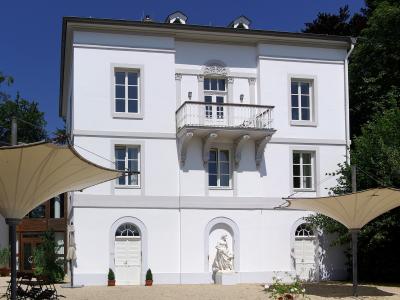
St. Anton Am Arlberg Ski Museum
Ski history in historic Villa Trier
Historic Railways · Local History
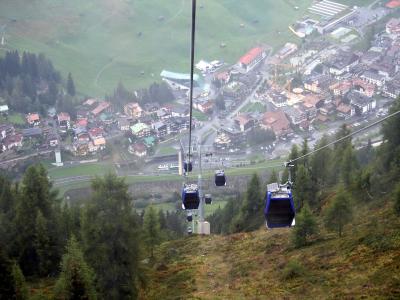
St. Anton Am Arlberg Village Center
Historic village center in the Austrian Alps
City Centers · Local History
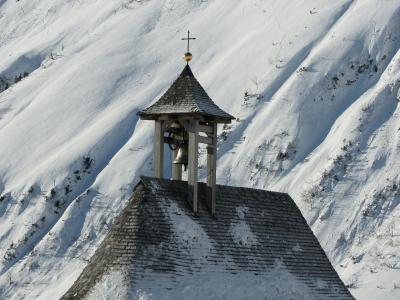
St. Anna Church (St. Anna Kapelle)
Baroque parish church in Tyrol
Historic Houses · Religious Sites
Questions people ask
Quick Facts
Best Time to Visit
Austria enjoys a Mediterranean climate with warm summers and mild winters, making it ideal for visiting year-round.