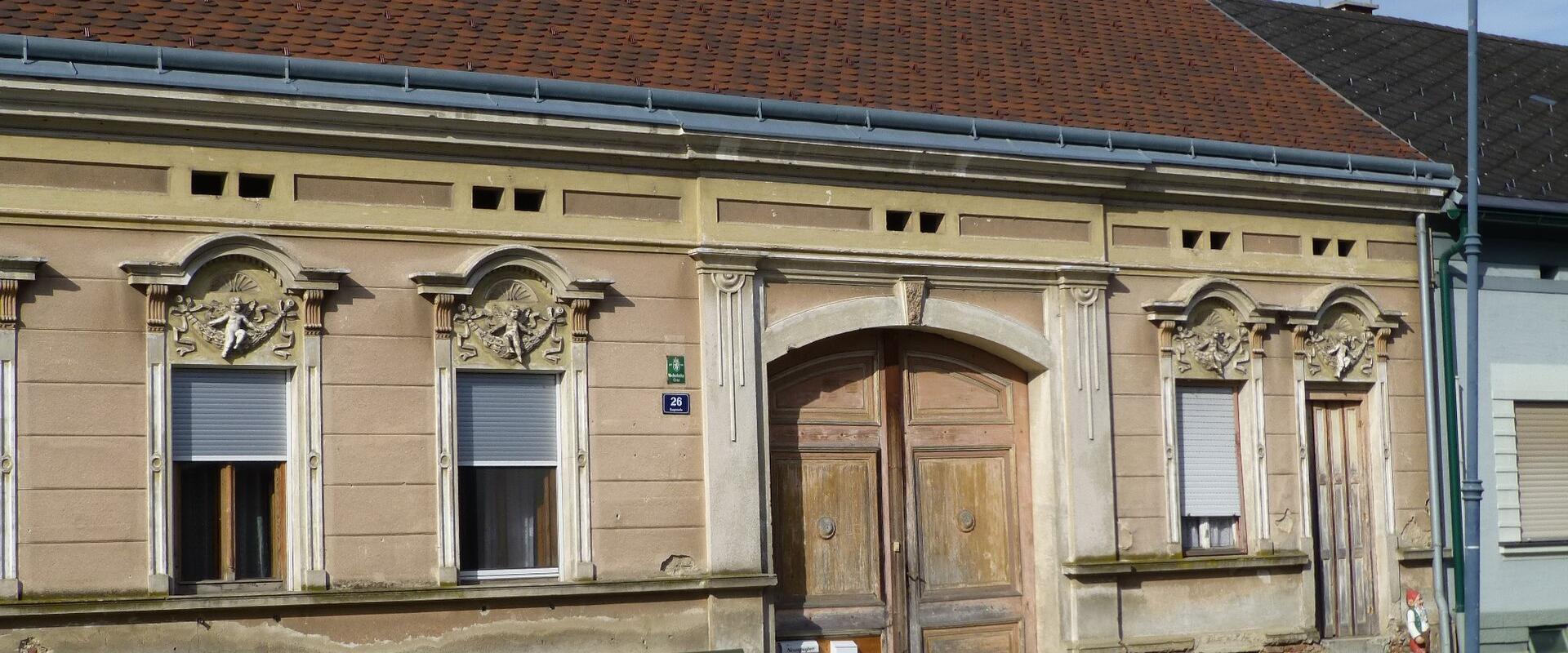
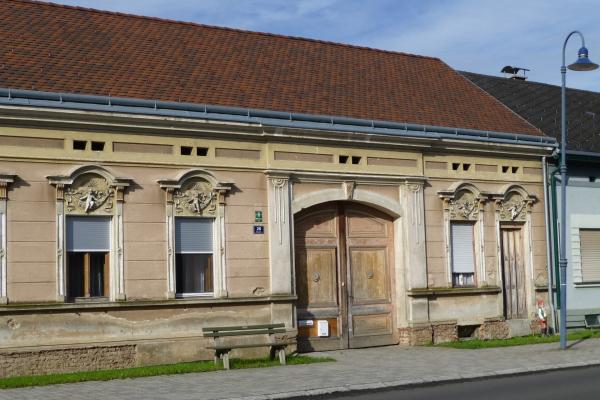
Traditional Burgenland Architecture
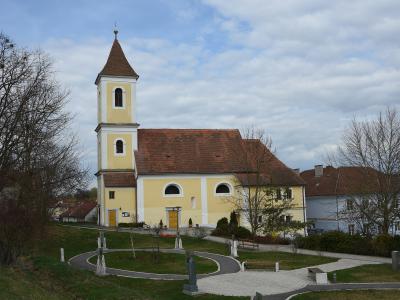
Traditional Burgenland architecture in Stegersbach
- Where
- Stegersbach, Burgenland
- Directions
- Directions
Stegersbach lies in the hilly countryside of southern Burgenland, in the east of Austria close to the Hungarian border, and it is known today above all for its thermal spa and its golf courses. Beyond the leisure facilities, the town and its surrounding villages preserve elements of the traditional architecture of Burgenland, which differs from the Alpine building styles seen in the west of the country. The region has long belonged to the Pannonian world, with its flat and rolling land, its warm summers and its mixed population of German, Hungarian and Croatian speakers, and this history is reflected in the way people built.
The typical farmhouse of the region is the long, narrow Streckhof, a single-storey building with its gable end facing the street and its rooms lined up one behind the other along a yard. The walls are whitewashed or painted in soft colours, the roofs are steep and covered with clay tiles, and older houses once had thatched roofs of reed or straw. A covered gallery or an arcaded passage along the courtyard side, supported by simple columns or arches, gives access to the rooms and provides shade in summer. Behind the house, a barn, stables, and often a small vineyard or orchard complete the property. Many villages are built in this way, with houses lined up along a central street or green, and in some places entire rows of such houses have been preserved.
Another characteristic feature of the region is the wine cellar lanes, groups of small cellars (Kellerstöckl) on the edge of the villages, where wine was pressed and stored. These small, simple buildings, often with whitewashed walls, are often still used for tastings and wine festivals. The churches of the region, such as the parish church of St. Martin and the church of St. Georgen in the area, are further examples of local building traditions, and the castles of Stegersbach and St. Martin recall the noble estates that once controlled the land.
To discover the architecture, the best approach is a slow walk through the old streets of Stegersbach and the nearby villages, looking at the facades, the courtyards and the proportions of the buildings. The countryside around the town can be explored by bike, and the reservoir on the edge of town is a pleasant place for a walk. Local markets and festivals, as well as the wine estates in the surrounding villages, offer a chance to taste regional food and wine.
The town is a quiet, relaxed destination, and it suits visitors who combine a spa stay with gentle sightseeing. Allow a couple of hours for a walk through the old streets, longer if you add visits to the wine cellars.
Categories
More photos coming soon
Nearby Attractions
Other places to visit in Stegersbach
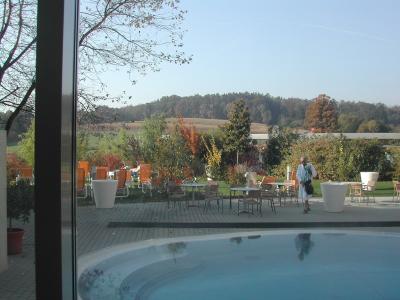
Stegersbach Alpin- Und Thermalbad (Allegro Resort)
1989 thermal spring in Burgenland
Thermal Springs · Water Sports
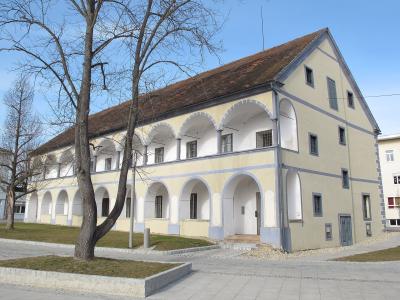
Schloss Stegersbach (Stegersbach Castle)
1636 Renaissance castle, now guesthouse
Fortifications · Historic Palaces

Therme Stegersbach
Thermal water paradise with sauna world and bistro
Thermal Springs · Water Sports
Local Markets and Festivals
Annual markets and festivals in the Heart of South Burgen...
Food & Gastronomy · History & Heritage
Questions people ask
Quick Facts
Best Time to Visit
Austria enjoys a Mediterranean climate with warm summers and mild winters, making it ideal for visiting year-round.