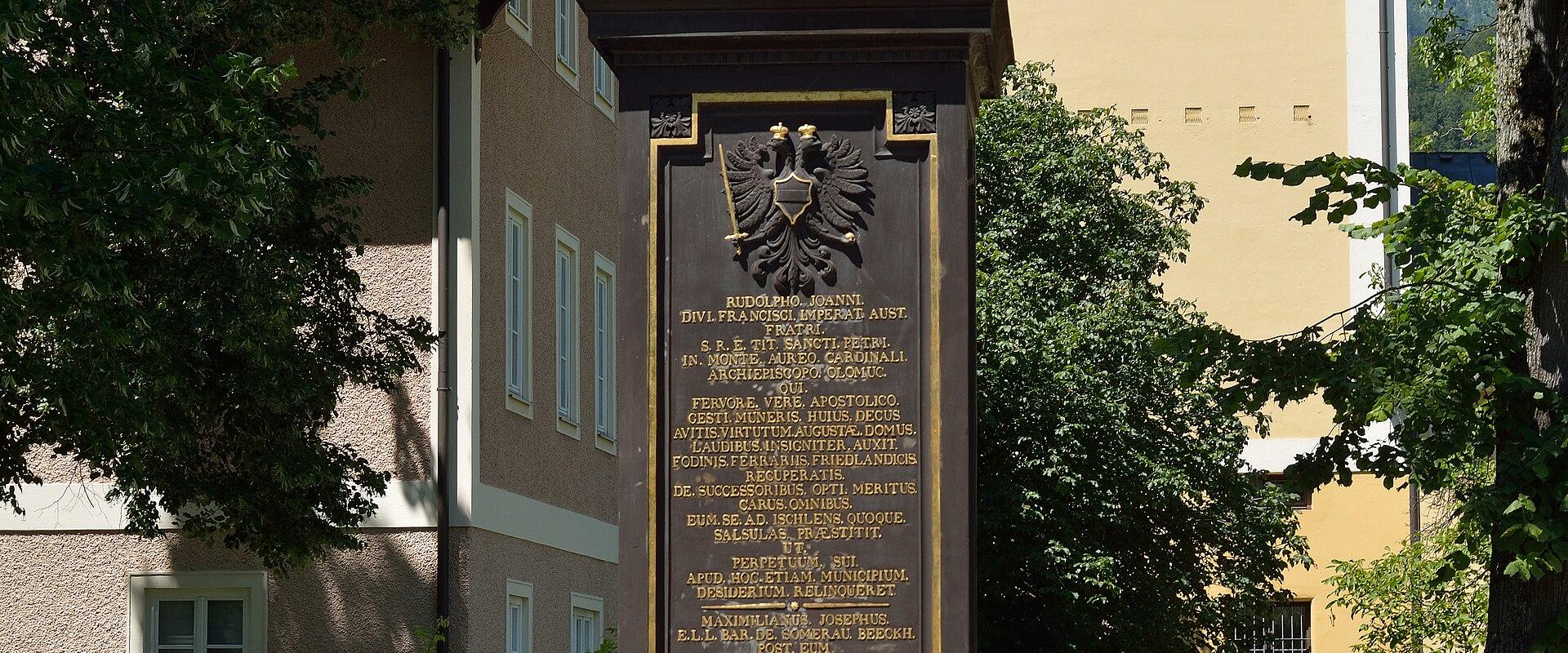
Whispers of the Habsburgs in the Salzkammergut
Bad Ischl was never intended to be the capital of the Austro-Hungarian Empire, yet it served as Emperor Franz Joseph’s most cherished escape from the suffocating formality of Vienna. The Kaiservilla, perched on a hillside, stands not as a monument to power, but as a testament to personal retreat. Inside, the Biedermeier interiors are preserved with such meticulous care that the dust motes seem to still hang in the air from the late nineteenth century. One can almost hear the faint, ghostly strains of Johann Strauss operettas drifting through the open windows, a sonic echo of salons long faded into memory.
The crisp mountain air here does more than cool the skin; it seems to hold history in suspension. While the nearby salt mines hum with the rhythmic, ancient industry of the region, the palace grounds remain a sanctuary of profound stillness. Nature and royalty have shared this valley for centuries, their stories woven so tightly into the landscape’s fabric that separating fact from folklore becomes impossible. Today, that connection feels less like a historical lesson and more like a shared secret, waiting only for those willing to slow down and listen.
A Sweet Legacy: The Sachertorte’s True Origin
It is difficult to separate the identity of Bad Ischl from its most famous export: the Sachertorte. Legend has it that in 1832, a young apprentice named Franz Sacher created this dense chocolate sponge layered with apricot jam to impress a visiting dignitary, turning a kitchen mishap into a global institution. While the original recipe has remained largely unchanged for nearly two centuries, the modern iteration is defined by its precise balance of bitter chocolate and tart fruit.
Today, visitors can taste this history at the Café Sacher, where a single slice costs €4.50—a price that feels trivial given the cultural weight it carries. This enduring treat is more than just a dessert; it defines the imperial café culture of the region, blending royal heritage with the everyday indulgence of a leisurely afternoon. The contrast between the heavy, rich cake and the light, airy whipped cream offered alongside it mirrors the duality of the empire itself: robust yet refined, serious yet celebratory.
Waters of Healing: The Kurpark and Traunsee
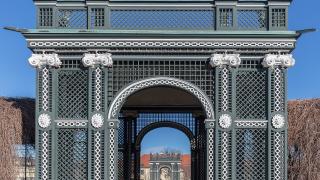
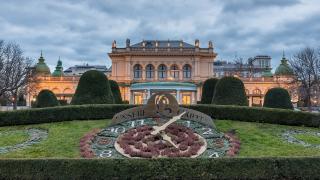
Step into the Kurpark’s Biedermeier gardens for a quiet escape from the modern world. Meticulous flowerbeds frame historic pavilions, creating a serene backdrop for a leisurely stroll through the scent of lilac and pine. This tranquil space flows naturally toward the Traunsee’s clear, glacial waters, merging landscape design with local spa traditions in a way that feels intentional rather than accidental.
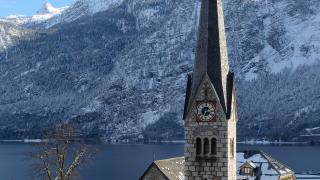
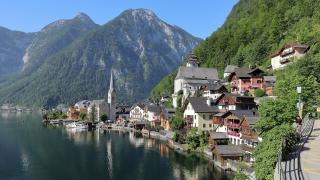
Gliding across the lake offers a perspective that land-bound tourists often miss. From the water, you can trace the rugged, vertical texture of the Ebenseer Kogel mountain as it plunges into the blue depths, a view that soothes the spirit in a way few other landscapes can. Such scenery once drew imperial guests seeking physical and mental renewal, a legacy that continues to attract those craving peace over spectacle.
The combination of therapeutic springs and alpine grandeur defines the Salzkammergut region. It reflects Austria’s enduring commitment to healing, turning a simple visit into a restorative journey that lingers in the body long after the trip ends.