Imperial Echoes in Brine and Stone
The adrenaline of the climb fades, replaced by the quiet grandeur of Bad Ischl, Franz Joseph’s preferred summer retreat. Inside the EurothermenResort, the air carries a sharp, clean scent of salt. This space is more than a relaxation room; it is a geological marvel carved from genuine rock salt. Guests recline in heated chairs as fine particles drift through the atmosphere, offering immediate relief to lungs weary from high-altitude exertion. Such tranquility stands in stark contrast to the biting, icy winds atop the Dachstein peaks. Here, wellness carries historical weight.
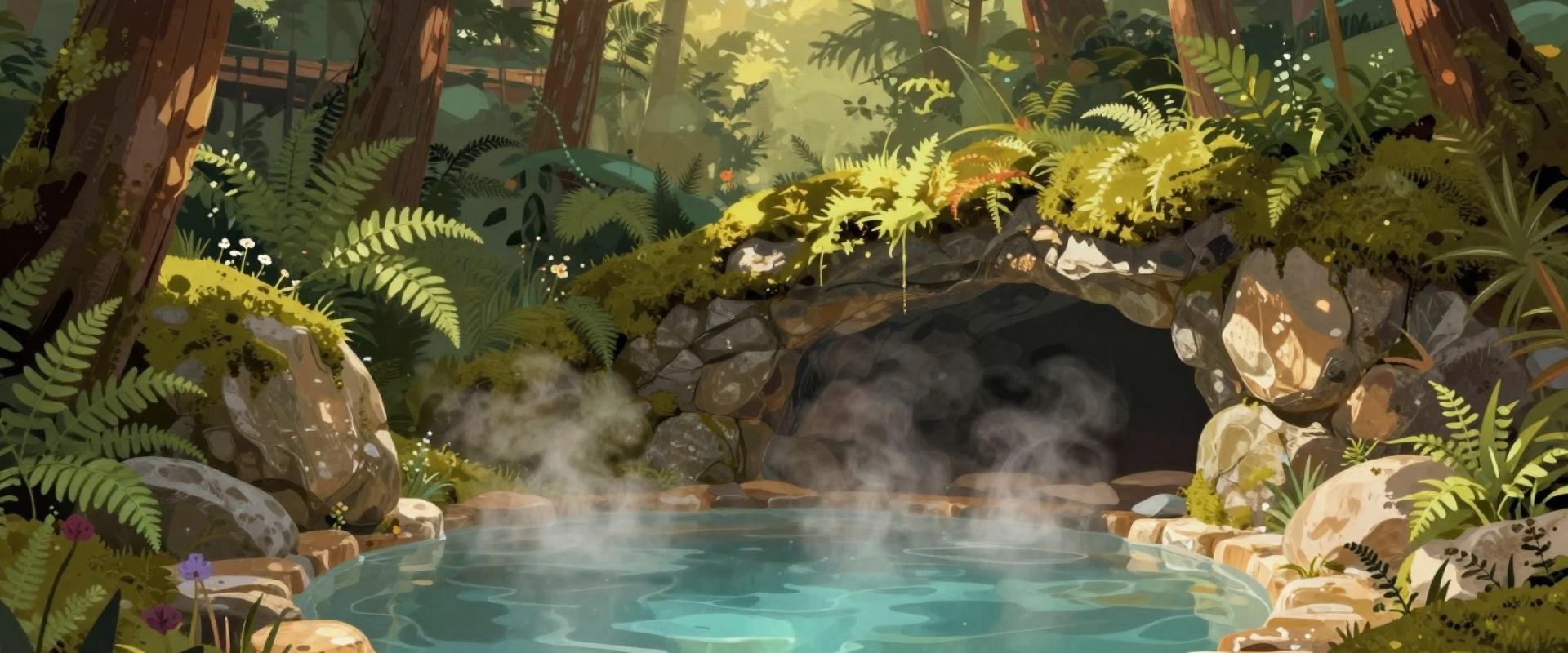
Mineral-rich waters, harvested from the earth that cradles the Salzkammergut region, fill the pools. I spent an hour watching steam rise from the outdoor baths while snow lightly dusted the surrounding pines. The scene presents a beautiful juxtaposition of luxury and raw nature. Leaving the facility feels like shedding a heavy burden, both physically and mentally. This quiet pulse exists beneath the tourist crowds, inviting visitors to embrace the stillness. Salt has a way of easing tension. Once the muscles relax, there is no need to linger. The trails await beyond the spa walls.
Trade the crowded mineral baths of the EurothermenResort for the untamed trails of the Salzkammergut. I once scrambled up a loose scree slope near Traunsee, lungs burning in the thin alpine air, only to stumble upon a secluded grotto framed by weeping willows. The water was shockingly cold, snapping my senses into sharp focus, while sun-warmed granite provided a surprisingly cozy perch. This raw, unfiltered connection to the landscape far outweighs any royal spa treatment.
Hike the Krippenstein trail to witness views that truly steal your breath. Pack a thermos of strong Austrian coffee and seek out these natural springs on foot. The solitude is priceless. Embrace the chill. Strap on your hiking gear and discover your own secluded haven in the Austrian Alps.
Brine vs. Mineral: The Great Thermal Debate
Trading ski boots for slippers last Tuesday felt like a betrayal of my hiking routine, yet it was the perfect prelude to testing Bad Ischl’s famous brine. The EurothermenResort’s salt grotto delivers an intense experience; breathing that aerosolized mist offers a clarity that feels almost tangible. Stepping into the 36-degree Celsius pool, the stiffness from my earlier Dachstein climb simply vanished. The water’s density provides a buoyancy that standard lakes cannot match, allowing muscles to relax without the shock of cold immersion.
Wörthersee offers a different kind of refreshment, one that is crisp and invigorating rather than deeply therapeutic. A cold plunge there in July certainly woke me up, but it lacked the restorative power of saline. While the lake water supports general circulation, it does not penetrate tissues to soothe inflammation the way mineral-rich baths do. The contrast is stark: one shocks the system into alertness, while the other actively repairs physical strain.
Bad Ischl’s waters are particularly rich in magnesium and potassium, elements known to combat joint pain. This is not just historical prestige; it is applied science. If your knees ache after a long hike, the lake is not the solution. Instead, booking a session at the facility allows the therapeutic properties of the water to work on your body. The result is a tangible sense of relief that lingers long after you leave the water.
Lace Up for the Quiet Summit
Leaving the hum of the Eurothermen’s salt grotto behind, I stepped into the crisp Austrian air. Bad Ischl’s imperial history lingered in the scent of the trees, a quiet reminder of Habsburg royalty who once sought peace here. I tightened my boot laces, ready for the final ascent. This region offers a unique rhythm: sweat on the trail, then steam in the spa. It is a simple cycle, yet profoundly alive.
The journey to the Dachstein glaciers illustrates this balance perfectly. Hours of hiking give way to a descent into thermal waters. A day pass at the Salzkammergut Therme costs around €25. That fee feels less like an expense and more like redemption after a steep climb. Muscles that had screamed in protest finally surrendered to the brine.
We chase these peaks not merely to conquer them. We return to ourselves. The interplay of exertion and restoration defines the Salzkammergut. Do not let the quiet summit pass you by. Book your train to Bad Ischl. Start your own alpine ritual today.