Chasing the Summit from the Cobblestones
Heavy boots strike the uneven stones of Hauptstraße, sending sharp rings bouncing off medieval facades. The scent of roasted almonds mixes with cold stone as I look up. Above, the Golden Roof blazes. Its 2,657 gilded copper tiles catch the Tyrolean sun with a defiant glare. Maximilian I built this vanity project, yet standing below, I feel imperial history pressing on my shoulders.
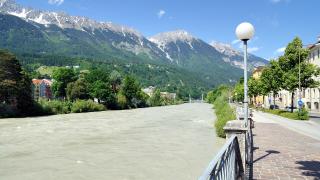
Then I turn. The Nordkette looms. A ten-minute cable car ride separates the city from vertical wilderness. We leave marble halls for the thin, biting air at Hafelekar. One moment, you sip coffee near the Hofburg. The next, you hang off a via ferrata with the world falling away beneath your skis. This is Innsbruck. It is a launchpad, not just a destination. The contrast is jarring, electric, and utterly addictive. You do not just visit here. You climb it. The mountains are waiting.
Gilded Tiles and Imperial Echoes
The alpine wind bit at my cheeks as I faced the Golden Roof, squinting against the glare of its 2,657 copper tiles. Maximilian I commissioned this viewing balcony between 1494 and 1496, a strategic display of wealth following his wedding. The structure’s modest height of just 3.7 meters belies its commanding presence over the square. Reliefs beneath the balcony display the coats of arms for Austria, Hungary, and Burgundy, signaling the reach of his sprawling empire.
A short walk away, the Hofburg Palace stands in quiet dignity. Its white facade offers a stark contrast to the vibrant market activity below. Inside the Court Church, visitors gather around Maximilian’s massive marble tomb, a Renaissance masterpiece that continues to attract both pilgrims and historians. The interplay of light shifts throughout the day, moving from the harsh noon glare to a soft, amber glow by late afternoon.
Narrow streets echo with the faint whispers of imperial decrees, grounding the present in centuries of Habsburg rule. Stop for coffee at a nearby café to watch the square breathe and settle into the rhythm of the past. The legacy of the empire is not just observed; it is felt in every stone.
Thirty Minutes to the Clouds
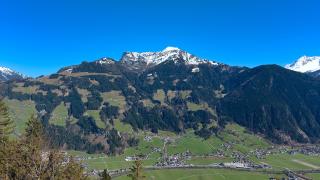
The gondola shudders upward, shedding the historic cobblestones of the Golden Roof district in a blur. I’ve ridden this line in the humid heat of July, watching snow vanish into lush meadows, and in the biting cold of January, when the wind stings at -20°C. The ascent to Hafelekar, the Nordkette range’s highest station, takes exactly thirty minutes. Stepping onto the platform feels like stepping off the edge of the world. Innsbruck unfolds beneath you like an intricate paper model, while jagged, snow-capped peaks pierce the sky. This is not merely a ride; it is a rapid injection into the alpine zone. I once watched a storm roll in from the west, transforming grey peaks into a charcoal sketch. The views are raw and immediate. A coffee at the summit restaurant costs 4.50 EUR, but hiking to the Hafelekar church offers a quieter moment. Weather shifts quickly here; fog brings total blindness, so check webcams first. The imperial palaces await below, but the clouds are up here. The mountain is calling, and it waits for no one.
Fueling the Alpinist Spirit
Morning steam curls from your Melange at Café Kraml, mirroring the mist that clings to the valley below. Innsbruck balances its dual identity with effortless grace, offering a seamless shift from imperial grandeur to raw alpine wilderness. You can sip your coffee beneath the shimmering gilded tiles of the Golden Roof, then board the cable car for a swift twenty-minute ascent to Hafelekar. As the city’s noise fades, a profound silence takes over. The transition is stark: historic weight grounds you, while the peaks promise freedom. Take the step. The Nordkette is ready.