Chasing the Alpine Glow: Beyond the City Limits
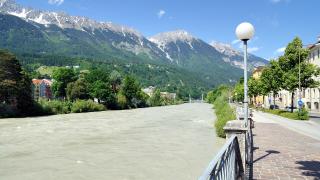
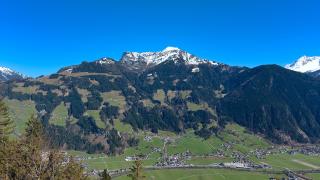
The wind on the Nordkette ridge didn’t just blow; it seized the breath from my lungs, leaving my heart to hammer a frantic rhythm against my ribs. Below, Innsbruck sprawled like a delicate toy set, a stark contrast to the granite giants that loomed above. Gripping the steel cable of the Hafelekarbahn, I felt my knees tremble, but as the fear melted away, a sharp, electric clarity took its place. This is the Tyrolean paradox: you shrink in the face of such scale, yet you feel more alive than ever.
That initial rush has since evolved into a deeper pursuit within the Dolomites’ jagged spires. Here, the climb is less about conquest and more about a quiet dialogue with the stone. The air grows thin and crisp, raising the stakes with every meter gained. I’ve learned to listen to the specific grit of the rock under my fingertips and trust the subtle shift in my balance. It is a reckoning of sorts, where every handhold demands attention and every step counts toward a singular point of presence.
The mountains offer no room for ego; they require a steady hand and a respectful mind. In exchange for leaving the city’s noise behind, they offer a rare, unadulterated focus. The peaks are calling, not with a shout, but with an invitation to step out of the mundane and into the moment. Will you answer?
Steel Ladders and Granite Giants: The Seefeld and Stubai Crucible
Gripping the freezing rungs of a via ferrata near Seefeld demands more than just brute strength; it requires a steady hand against the biting cold. On the Riederalm route, my fingers turned to ice blocks, yet the surge of adrenaline pushed me forward when logic suggested stopping. Standard hiking boots will fail you here. You need sticky rubber soles that cling to the granite, which is notoriously sharp and jagged, resembling shattered glass underfoot.
The financial barrier to entry is modest, with ferrata passes costing around €15 at the Stubai Glacier base, but the physical demands are significant. The Pitztal granite is unforgiving, requiring a level of respect that comes from experience rather than bravado. I once watched a climber lose their footing on loose scree near the Gaysalm, a stark reminder that harnesses are not optional accessories but essential lifelines.
Attempting these routes solo is rarely wise. Hiring a local guide from Innsbruck for approximately €80 an hour provides access to hidden cracks and safe passage that maps often miss. These experts navigate the terrain with an intuitive understanding of the rock, allowing you to focus on the climb rather than the risk. The mountains do not care about your social media presence or your perceived skill level.
Instead of worrying about capturing the perfect shot, focus on the texture of the hold and the sound of your carabiners clicking into place. Let the sensory details of the ascent replace the need for performative danger. Lace up your boots, check your gear twice, and step onto the rock with humility.
Thermal Embraces: Healing the Climb in Stubai’s Warm Waters
My quadriceps still quivered with the aftershocks of the Schlicker Reither Spitze ascent, a physical reminder of the thin, biting air that had plagued my exposed cheeks just hours prior. Yet, the allure of heat pulled me through the glacial dust until I stood before the Stubai Glacier Thermal Baths, where steam drifted like a ghost against the stark white ice fields. Stepping into the 38-degree Celsius pool felt less like a simple rinse and more like a physiological reset, as the mineral-rich water sourced from deep underground aquifers immediately began to seep into every exhausted fiber. The contrast was jarring; one moment my boots were planted on freezing rock, the next, liquid warmth was enveloping my sore muscles in a way that felt almost medicinal.
While I floated there, watching my own post-climb tremors gradually subside, I noticed a local guide named Hans drifting effortlessly nearby, calmly discussing granite formations as if he were merely lounging in a hot tub rather than surviving in a high-altitude environment. His steady presence highlighted the sharp difference between his ease and my own frantic recovery, reminding me that this experience is about more than just scrubbing off dirt. The heat dilates blood vessels, accelerating the flush of lactic acid far more effectively than any post-hike massage could, turning what might seem like mere leisure into genuine physiological repair.
For the price of roughly €23, the entry fee buys a redemption that feels far more valuable than the cost suggests, offering a necessary pause before the next challenge. I stayed until my fingers pruned and my mind finally went blank, allowing the Dolomites to demand their due respect while Stubai offered its mercy in return. Practicalities matter here, too; booking your lift ticket early is essential, as queues tend to form rapidly near the glacier terminus during peak hours. This reset is not optional for anyone planning to climb again, but it is the essential bridge between conquering a peak and preserving the body for the next ascent.