


The Emerald Elixir of Styria
Autumn does not gently arrive in Graz; it descends like a heavy velvet curtain over the rolling hills of the Steirische Hellische, bringing with it crisp air and the sharp, earthy scent of ripening seeds. I remember wandering through fields of distinctly striped Markusanner pumpkins, their orange skins glowing under the late-season sun. These specific cultivars have been grown here for centuries, prized not for their flesh but for the oil-dense seeds within. This is no ordinary cooking fat. It is a culinary jewel, cold-pressed using methods refined since the 17th century, when Habsburg tables first recognized the profound depth of local terroir.
The resulting oil is a deep, opaque emerald green, appearing almost black when sitting in the bottle. Yet, the moment it hits a dish, it shimmers with a vibrant, golden hue. Drizzling this over a simple Grünkern salad transforms the plate entirely. The flavor profile is intense and nutty, carrying a subtle bitterness that lingers on the palate, demanding respect rather than mere consumption. It forces you to slow down and pay attention.
In traditional Brettljause platters, this elixir plays a crucial role. It binds the sharp Gurtenkäse and smoky Speck together, creating a harmony that speaks of the land’s enduring generosity. Without it, the flavors would remain disjointed. To taste it is to understand why Styria remains the heart of Austrian gastronomy. It is not just an ingredient; it is a testament to patience and place.
Graz’s Table: A Culinary Canvas
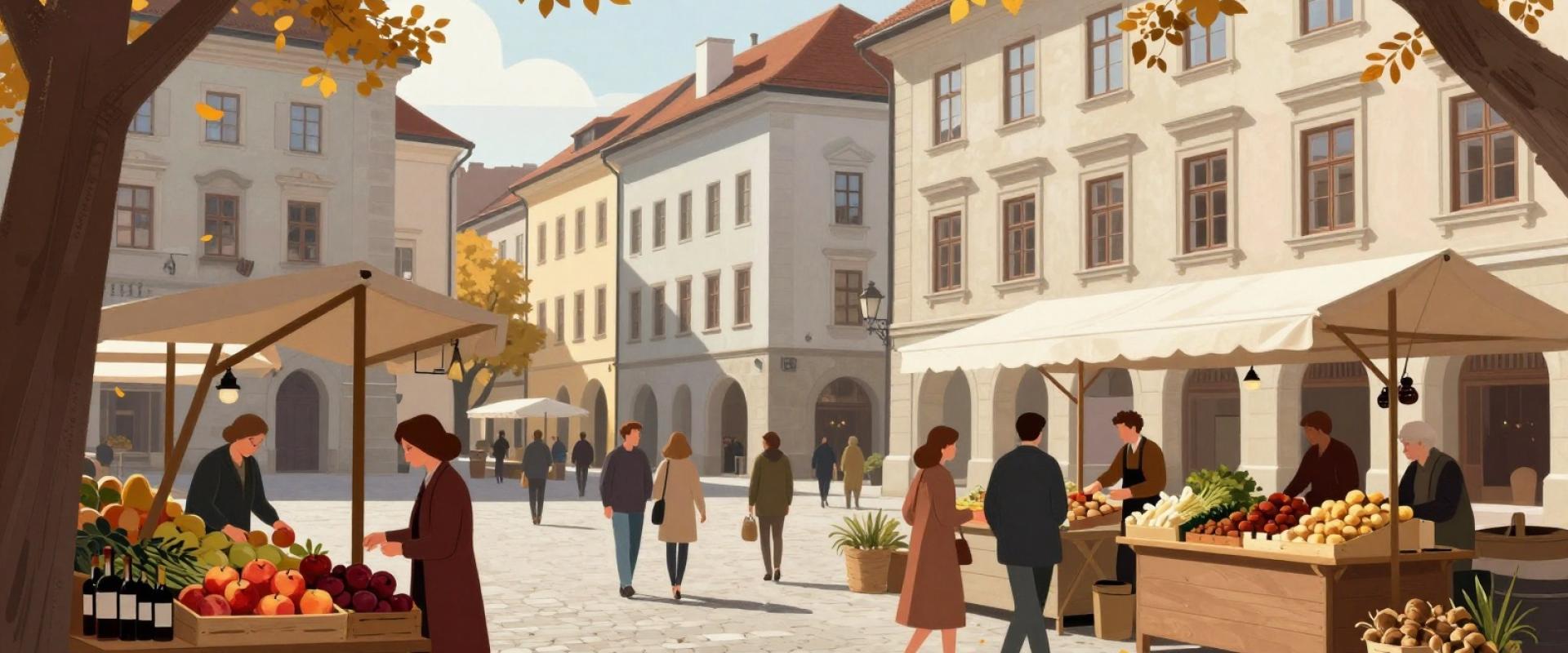
The first frost turns the Altstadt’s cobblestones into slick, silver ribbons. Inside Stübl, the air hangs heavy with the scent of roasting hazelnuts. It is a smell that grounds you instantly, anchoring you to the season.
Styrian pumpkin seed oil, known locally as grünes Gold for its striking hue, dominates the table. Chefs drizzle it over crisp Brettljause boards, where bitter radicchio meets the nut’s smoky depth. A basic winter salad becomes an unexpected delight. This communal style mirrors old Habsburg habits; sharing plates was once a sign of courtly abundance. Today, modern cooks pair the oil with rich foie gras or creamy risotto. The result feels both innovative and deeply rooted.
Prices for a starter typically range from €12 to €15, while mains hover around €28. This communal tradition mirrors the Habsburg courts’ emphasis on shared abundance. Modern chefs innovate by pairing the oil with foie gras or risotto. Yet, the soul remains rustic. You taste the earth, the harvest, and the patience of the press. It is a flavor that lingers, much like the echo of a Viennese waltz. This culinary heritage binds the present to the past. Every drop tells a story of resilience and refinement. Graz serves this legacy with pride. The feast is not just food; it is culture. It reminds us that true luxury lies in simplicity and tradition. Enjoy the season’s bounty.
Harvest Feasts and Field Journeys
Crisp air sweeps through Styria, carrying the earthy perfume of ripe pumpkins across the landscape. On the outskirts of Graz, fields glow with a vibrant green hue that signals the season’s peak. Locals and visitors alike converge on the Kernöl festival, drawn by the promise of the region’s most prized ingredient.
I remember sitting in a weathered barn near Feldbach, spooning warm pumpkin seed oil soup that tasted of autumn itself. The broth possessed a complex, nutty richness that lingered on the palate long after the last bite. Such distinct flavors command attention, with small bottles of this liquid gold fetching between €8 and €15 at local markets.
Farmers gather around long communal tables, their laughter mixing with tales of bountiful yields and the physical demands of the harvest. Chefs in nearby kitchens experiment with these ingredients, crafting innovative desserts that highlight the oil’s robust character without overpowering the dish. This shared labor creates a tangible bond among neighbors, turning agricultural work into a celebration of community.
Every drop captures the essence of the land, preserving the memory of summer sun and autumn chill. The season does not merely end; it settles into the culture, ensuring that the joy of the harvest remains alive in every meal and every memory.
Mastering the Autumn Palette
Hidden within the cool, stone-walled cellars near the Schlossberg, the scent of roasted pumpkin seeds signals the arrival of Styrian autumn. These workshops invite participants to step behind the counter, transforming them from passive observers into active culinary creators. You grind the seeds by hand, an effort that releases an aroma deeply rooted in agricultural history.
Mastering the emulsion for winter salads requires patience, but the lesson sticks. You quickly grasp the distinction between cold-pressed and refined oils through direct practice rather than lecture. Expert guides steer the group, ensuring each participant understands the nuance of the process.
The financial commitment runs between €45 and €60 per person, a fair exchange for high-quality ingredients and professional mentorship. This cost includes everything needed to create a tangible connection to the land. It is an investment in skills that extend far beyond the workshop walls.
The resulting oil possesses a nutty complexity that elevates simple, fresh produce from regional farms. Each session acts as a bridge between modern kitchens and generational methods. Cooking here becomes a study in precision, preserving techniques that might otherwise fade.
You depart with more than just a jar of golden liquid. The experience embeds the essence of Styria into your daily routine. What begins as a class evolves into a lasting appreciation for local terroir.